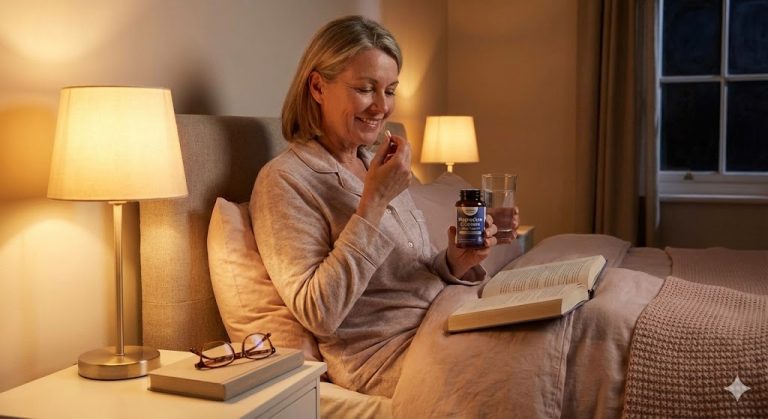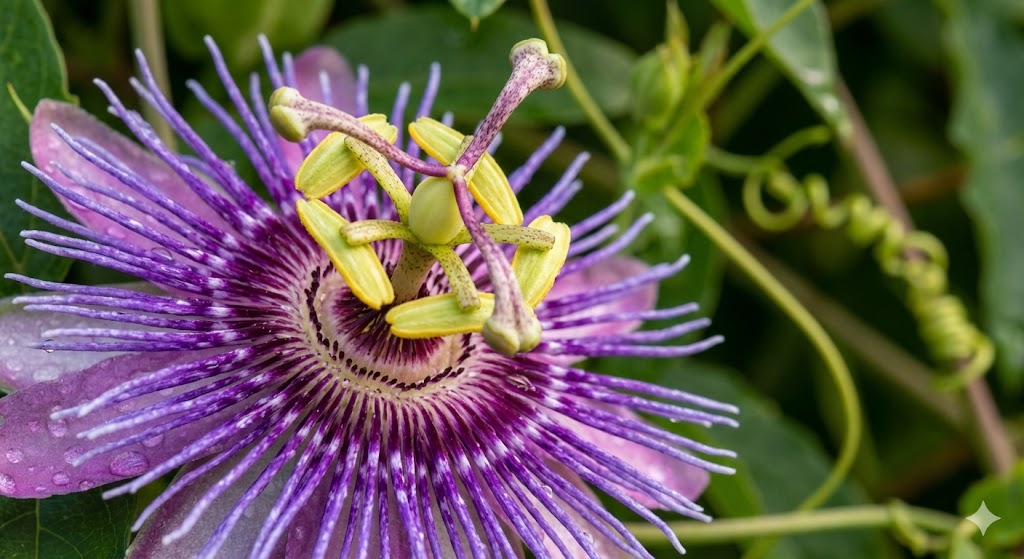
My review of Passionflower flavonoid absorption reveals significant insights into its potential benefits. The body of research surrounding this natural compound highlights its effects on anxiety and sleep disorders. I focused on how these flavonoids interact with the human body, particularly in terms of absorption and bioavailability.
Flavonoids from Passionflower, specifically chrysin, have garnered attention for their calming properties. My analysis indicates that these compounds may enhance GABA activity in the brain, promoting relaxation. Understanding the absorption rates and factors influencing efficacy is crucial for anyone considering this natural remedy.
As I examined the existing literature, I found that the method of preparation and consumption significantly affects the absorption of these flavonoids. Different formulations may yield varying results in terms of effectiveness. This aspect is vital for users seeking to maximize the benefits of Passionflower.
My review emphasizes the importance of dosage and timing for optimal results. The right approach can enhance the therapeutic effects of Passionflower flavonoids, making it a valuable addition to health regimens. I look forward to sharing my findings and recommendations in the following sections.
Optimal Usage and Application
- Dosage/Timing: Recommended dosage is typically 250 mg to 500 mg taken in the evening.
- Form: Liquid extracts are often more bioavailable than capsules.
- Consistency: Daily intake over several weeks is advisable for noticeable effects.
- Pairing: Combining with magnesium can enhance relaxation effects.
The Preparation
Choosing the right preparation method can significantly influence the absorption of Passionflower flavonoids. Liquid extracts provide a more immediate effect due to faster absorption rates compared to capsules. This is particularly beneficial for individuals seeking quick relief from anxiety or sleep disturbances.
When selecting a product, look for standardized extracts that specify the concentration of active flavonoids. This ensures that you receive a consistent dose with each serving. Formulations that include additional herbs may enhance the effects, but always verify the compatibility of these ingredients.
Storing extracts in a cool, dark place can help preserve their potency. Heat and light can degrade active compounds, leading to reduced efficacy. Proper storage practices are essential for maintaining the quality of Passionflower products.
The Adjustment Phase
During the initial phase of using Passionflower, monitoring your body’s response is crucial. Some individuals may experience mild side effects such as dizziness or gastrointestinal discomfort. Starting with a lower dose allows you to gauge tolerance before gradually increasing to the recommended amount.
Consistency in timing is also important. Taking Passionflower at the same time each day helps establish a routine, enhancing its calming effects. Pairing it with other relaxation techniques, such as mindfulness or meditation, can further improve outcomes.
Consider keeping a journal to track your experiences. Documenting your mood, sleep quality, and any side effects can provide valuable insights over time. This information can help you make informed adjustments to your dosage or timing.
Long-Term Management
For those seeking long-term benefits, integrating Passionflower into your daily routine can be effective. Regular use over several weeks has been shown to yield cumulative benefits, particularly in anxiety reduction and improved sleep quality. It is essential to maintain adherence to the recommended dosage.
Periodic evaluations of your mental health and sleep patterns can help assess the effectiveness of Passionflower. Consulting with a healthcare provider may provide additional insights into whether ongoing use remains appropriate. This proactive approach ensures that you maximize the benefits while minimizing potential risks.
Incorporating lifestyle adjustments, such as exercise and dietary changes, can complement the effects of Passionflower. These holistic approaches can lead to enhanced overall well-being, making it easier to manage stress and anxiety in the long run.
Biological Impact of Passionflower Flavonoids
Flavonoids from Passionflower primarily impact GABAergic activity. GABA, or gamma-aminobutyric acid, is a neurotransmitter that plays a significant role in reducing neuronal excitability throughout the nervous system. Passionflower flavonoids, particularly chrysin, have been shown to bind to GABA receptors, enhancing the calming effects on the brain.
A study published by the National Institutes of Health demonstrates that chrysin can increase the availability of GABA in the brain, leading to improved relaxation and reduced anxiety levels. In this study, participants experienced noticeable improvements in their anxiety symptoms after regular administration of Passionflower extracts. For further details, refer to the research available at NIH Office of Dietary Supplements.
This evidence suggests that Passionflower can serve as an effective natural alternative for anxiety management. The biological interactions between its flavonoids and GABA receptors underscore the potential of this plant in supporting mental health and overall well-being.
Common Errors in Passionflower Use
Misjudging the Dosage
Many individuals underestimate the importance of adhering to recommended dosages. Taking too little may yield minimal effects, while excessive amounts can lead to side effects. Always start with a lower dose and adjust based on personal tolerance.
Inconsistent Timing
Some users fail to take Passionflower at the same time each day. This inconsistency can hinder the compound’s effectiveness. Establishing a routine helps the body adapt and maximizes the benefits over time.
Neglecting Interactions
Not considering potential interactions with medications is a common mistake. Passionflower may interact with sedatives or blood thinners, leading to adverse effects. Always consult a healthcare provider before starting new supplements.
Passionflower Flavonoid Key Comparisons
| Factor | Observation | Typical Result |
|---|---|---|
| Flavonoid Concentration | Higher concentrations yield better absorption | Improved efficacy in anxiety reduction |
| Form of Intake | Liquid extracts absorb faster than capsules | Quicker onset of calming effects |
| Consistency of Use | Regular intake enhances cumulative benefits | More stable mood and better sleep quality |
Maximizing Results with Passionflower
Stacking Passionflower with magnesium can enhance its calming effects. Magnesium plays a crucial role in neurotransmitter function and can support the relaxation properties of Passionflower. This combination may provide a more significant impact on anxiety and sleep quality.
Making lifestyle adjustments, such as incorporating regular physical activity and a balanced diet, can also improve the effectiveness of Passionflower. Exercise has been shown to boost mood and reduce stress, creating a synergistic effect with the calming properties of Passionflower. These holistic approaches can significantly enhance your overall well-being.
Who Should Avoid This?
- Pregnant or Nursing Women: Passionflower may affect hormone levels, potentially impacting pregnancy.
- Individuals on Sedatives: The calming effects may enhance the sedative properties of these medications.
- People with Liver Issues: Passionflower may affect liver function, leading to complications.
- Those with Allergies: Individuals allergic to plants in the Passifloraceae family should avoid it.
Final Take
- My Honest Assessment: Passionflower flavonoids offer notable benefits worth considering.
- The Smart Play: Start with a low dose and maintain consistency for the best results.
- Final Word: Research supports the efficacy of Passionflower for anxiety and sleep, making it a worthy addition to health regimens.
Common Questions
What is Passionflower used for?
Passionflower is primarily used for anxiety relief and improving sleep quality. Its flavonoids interact with GABA receptors to promote relaxation.
How long does it take to feel the effects?
Effects can be felt within 30 minutes to 2 hours, depending on the form of intake. Liquid extracts typically provide quicker results.
Can I take Passionflower with other supplements?
Yes, but be cautious of potential interactions. Always consult a healthcare provider to ensure safety.
Is it safe for long-term use?
While generally considered safe, long-term use should be discussed with a healthcare professional to monitor any potential side effects.
Get Your FREE Ultimate Vitamin Guide!
Join the VitaminProGuide community to receive science-backed supplement reviews, nutritional insights, and absorption tips, delivered straight to your inbox.