Physical Address
304 North Cardinal St.
Dorchester Center, MA 02124
Physical Address
304 North Cardinal St.
Dorchester Center, MA 02124
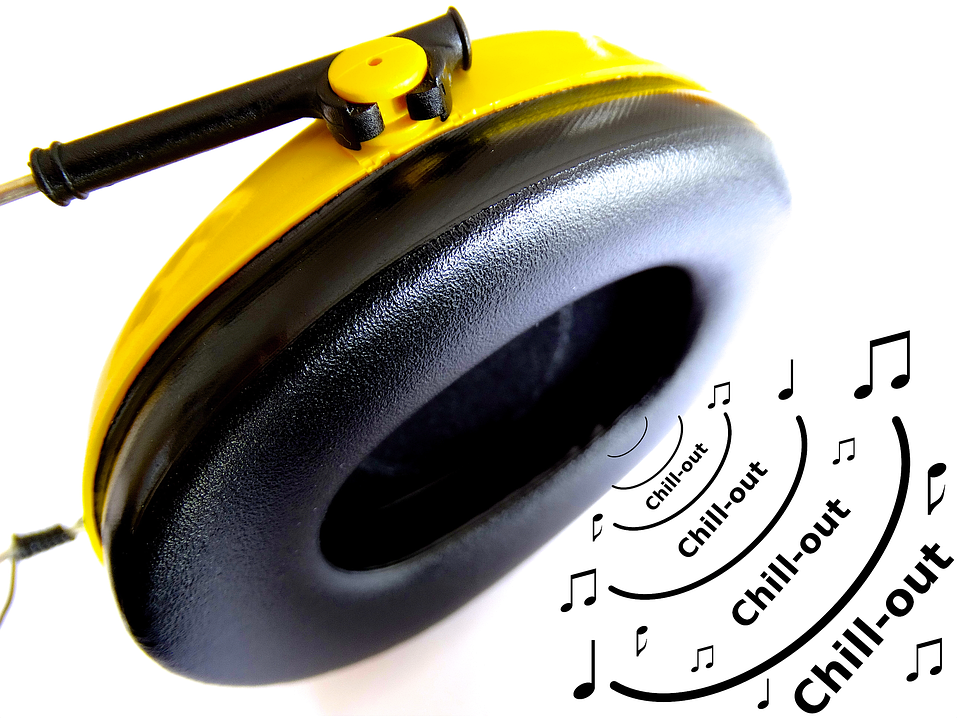
Choosing between gear for your ears often feels confusing, as the hearing protection vs noise cancellation difference is significant for long-term health. Each technology addresses sound in ways that fundamentally alter how auditory stimuli impact the inner ear. Understanding these mechanics helps you choose the right tool for high-decibel environments versus everyday background ambient noise.
Hearing protection works through physical barriers, while noise cancellation utilizes electronic signal processing to create opposing sound waves. This distinction dictates whether a device is suitable for industrial safety or simply for enhancing focus in a loud office. Your selection should depend entirely on the intensity and frequency of the sound environment you encounter.
The primary difference is that hearing protection physically blocks sound waves from entering the ear canal to prevent damage, whereas active noise cancellation uses microphones and speakers to phase-cancel steady, low-frequency sounds. If you are in an environment with high sound pressure levels, physical attenuation is necessary to preserve your hearing health.
Passive protection serves as a physical wall between your tympanic membrane and the external world. When you wear foam earplugs or industrial-grade muffs, you decrease the volume of all frequencies reaching the inner ear structures. This mechanical interruption prevents sound energy from causing physical vibration within the cochlea.
This method remains the gold standard for high-intensity environments where sound energy could cause cellular damage to the hair cells. By sealing the ear canal, you minimize the transmission of sound pressure, allowing your ears to rest from constant high-frequency stimulation. This approach provides a blanket reduction across the entire audible spectrum, including high-pitched sounds that are often more dangerous to long-term auditory function.
Individuals working with heavy machinery or near loud construction often rely on Howard Leight by Honeywell Laser Lite earplugs. These materials compress to form a seal that physically absorbs sound waves. The efficacy here is determined by the material density and the quality of the seal against your skin.
The National Institute for Occupational Safety and Health emphasizes that physical barriers provide consistent protection regardless of battery life or external software. This is vital for safety in environments where hearing damage is a genuine risk. Relying on simple, durable physical barriers ensures your protection does not fail if electronic systems lose power or experience software latency.
Active noise cancellation, or ANC, uses a sophisticated feedback loop to manipulate incoming sound. Small microphones on the device detect ambient sound waves before they reach your ear. The internal processor then generates an inverted waveform, known as an anti-noise signal, which effectively subtracts the original sound from the air.
This technology shines when dealing with steady, low-frequency drones, such as jet engines or office air conditioning units. By producing this destructive interference, the device creates a perceived silence that helps minimize the mental fatigue associated with constant background hums. It is essentially a feat of rapid-fire math that occurs in microseconds to keep your listening environment quiet.
Users frequently select devices like Sony WH1000XM5 headphones for commutes or travel. While they feel like they block sound, they are technically masking the noise with an opposing signal. They do not prevent high-energy, sudden sounds from potentially reaching your inner ear, which makes them less effective for safety in industrial settings.
Effective noise cancellation requires consistent energy input to maintain the computational loop. If the device runs out of power, the reduction in noise ceases immediately. This makes ANC an comfort-oriented tool rather than a safety-critical barrier for long-term ear health preservation.
| Feature | Passive Protection | Active Noise Cancellation |
|---|---|---|
| Primary Function | Physical blocking | Electronic signal inversion |
| High Frequency | Highly effective | Variable effectiveness |
| Low Frequency | Moderate | Highly effective |
| Reliability | Mechanical/Fixed | Power-dependent |
Constant exposure to loud sound leads to a process where the hair cells in the cochlea become fatigued or damaged. When these microscopic structures are pushed beyond their limit, the electrical signals sent to your auditory cortex become degraded. Maintaining a lower overall sound pressure level is critical to keeping these sensory cells healthy over many years.
Physical protection provides a consistent, reliable reduction in sound pressure levels. This allows the internal structures of the ear to maintain their functional integrity without constant bombardment. For those who need to maintain focus in noisy areas, passive protection acts as a buffer that removes the need for your ears to process high-stress auditory input.
Conversely, noise cancellation provides a cleaner listening environment for music or focused tasks. By removing the need to turn up your volume to overcome background drone, ANC can indirectly protect your hearing by lowering the total daily volume you consume. However, it does not replace the need for physical barriers in environments where structural sound damage is a risk.
The National Institute on Deafness and Other Communication Disorders highlights that prolonged noise exposure can cause irreversible changes to how the ear functions. Choosing the right device means matching the technology to the specific environment. If the goal is comfort, ANC suffices; if the goal is absolute prevention of physical damage, passive physical barriers remain necessary.
Determining your needs requires a quick audit of the sounds you face daily. If you spend time in environments with machinery, power tools, or construction, physical barriers are the only appropriate choice. These devices do not require batteries and provide the structural integrity required to prevent sound-induced hair cell exhaustion.
If your primary struggle is the consistent hum of an office, a loud train engine, or an airplane cabin, ANC devices offer a better experience. They provide a psychological sense of quiet by eliminating the low-frequency background noise that causes mental fatigue. Many people pair these with a high-quality supplement, such as Thorne Magnesium Bisglycinate, to support overall cellular stress responses during long working days.
Avoid relying solely on electronic gear for safety in loud areas. The limitations of ANC technology mean that high-decibel, sharp sounds can often pass through the electronic cancellation layer. Always keep a pair of high-fidelity earplugs, such as Eargasm Earplugs, in your bag for those moments when an environment becomes unexpectedly loud.
Finally, monitor how you feel after using your gear. If you find your ears ringing or feeling tired after using noise cancellation, you might be in an environment that requires more significant physical protection. Prioritize your long-term health by choosing the tool that effectively stops the sound energy from ever interacting with your inner ear.
ANC is designed for comfort and background noise reduction, not as a safety device for preventing hearing loss. It cannot adequately suppress sudden, high-intensity sounds that cause physical damage to the ear.
Yes, layering these technologies can provide superior results in extremely loud environments. Wearing earplugs under noise-canceling headphones creates a combined physical and electronic defense against sound.
This feeling, often called eardrum suck, occurs because the brain perceives the sudden absence of low-frequency sound as a pressure change. It is a common side effect of the phase-cancellation process and is generally harmless.
The hearing protection vs noise cancellation difference centers on physical blockage versus electronic neutralization. Passive protection creates a durable, mechanical barrier necessary for high-decibel safety, while noise cancellation uses active processing to mask ambient, low-frequency hums for increased comfort and focus.
This information is for educational purposes and does not constitute medical advice, diagnosis, or treatment. Always consult with a hearing health professional if you experience persistent ringing, changes in your ability to hear, or if you work in environments with high noise exposure to ensure your protection methods meet safety standards.
Review your daily environment to identify if you need consistent, physical sound attenuation or if you are simply looking to reduce background drone. Once you understand the specific noise threats you face, select your gear to prioritize the long-term health of your inner ear tissues above all else.
Get Your FREE Ultimate Vitamin Guide!
Join the VitaminProGuide community to receive science-backed supplement reviews, nutritional insights, and absorption tips, delivered straight to your inbox.
Vitaminproguide.com is reader-supported. When you buy through links on our site, we may earn an affiliate commission at no extra cost to you. As an Amazon Associate, we earn from qualifying purchases. Read our full disclosure.