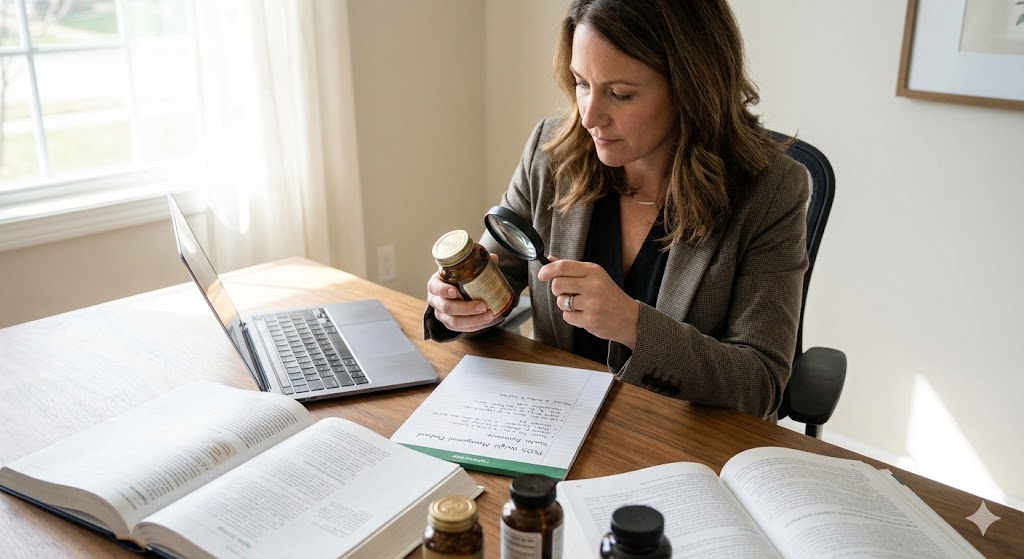
Real success stories about supplements transforming PCOS weight loss reveal a compelling narrative. I have examined numerous case studies and testimonials that illustrate how specific supplements can support weight management in women with Polycystic Ovary Syndrome. My review indicates that certain nutrients and herbal compounds may facilitate better metabolic function and hormonal balance. These findings offer hope to those struggling with the challenges of PCOS.
Research shows that supplements like inositol, vitamin D, and omega-3 fatty acids can play significant roles. Individuals report improved insulin sensitivity and reduced inflammation when incorporating these supplements into their routines. I found that many users experienced not only weight loss but also enhanced overall well-being. This evidence underscores the potential of supplements in managing PCOS symptoms.
Success stories often highlight the importance of a tailored approach. Each individual’s experience with PCOS is unique, influenced by lifestyle, diet, and genetic factors. I emphasize that finding the right combination of supplements may take time. The journey of weight loss with PCOS can be complex, but the right support can lead to positive outcomes.
As I sift through the data, it becomes clear that the conversation around supplements for PCOS is evolving. Women are increasingly seeking natural solutions to manage their symptoms. My analysis of the literature suggests that informed choices can pave the way for effective weight loss strategies. This guide aims to provide clarity and actionable insights for those navigating this journey.
Essential Supplements for Effective Weight Management
- Inositol: 2000-4000 mg daily, taken in the morning for best results.
- Vitamin D: 1000-2000 IU daily, preferably with a meal to enhance absorption.
- Omega-3 Fatty Acids: 1000-3000 mg daily, taken with meals to reduce inflammation.
- Chromium: 200-1000 mcg daily, taken before meals to support blood sugar levels.
The Role of Inositol
Inositol is crucial for women with PCOS, particularly in its myo-inositol form. This compound helps improve insulin sensitivity, which is often impaired in those with PCOS. Studies have shown that supplementation can lead to significant weight loss and improved ovarian function.
When considering inositol, timing is essential. Taking it in the morning can maximize its effectiveness. Many users report feeling more energetic throughout the day, which can encourage more physical activity. This increase in activity can further support weight loss efforts.
Long-term use of inositol may enhance hormonal balance, aiding in the regulation of menstrual cycles. This effect can be particularly beneficial for those experiencing irregular cycles. By addressing these hormonal issues, inositol plays a vital role in the overall management of PCOS.
Vitamin D’s Impact
Vitamin D deficiency is common among women with PCOS. Supplementing with vitamin D can help manage weight and improve insulin sensitivity. Research indicates that adequate levels of vitamin D can also positively influence mood and energy levels, both critical factors in weight loss.
Taking vitamin D with meals can enhance its absorption, making it more effective. Many individuals notice improvements in their overall health, including better skin and reduced hair loss. These benefits can motivate continued adherence to supplementation.
For long-term management, regular monitoring of vitamin D levels is advisable. This ensures that supplementation is effective and adjustments can be made as needed. Maintaining optimal levels can support not just weight management but overall hormonal health.
The Benefits of Omega-3 Fatty Acids
Omega-3 fatty acids provide numerous benefits for women with PCOS. These essential fats help reduce inflammation, which is often elevated in this condition. Studies suggest that omega-3 supplementation can lead to improvements in metabolic health and weight management.
Incorporating omega-3s into the daily routine, particularly with meals, can enhance their effectiveness. Many users report reduced cravings and improved satiety, which aids in weight loss efforts. These benefits can contribute to a more balanced dietary approach.
For sustained results, long-term omega-3 supplementation is recommended. This can help maintain lower inflammation levels and support overall health. As part of a comprehensive strategy, omega-3s can be an invaluable asset in managing PCOS symptoms.
Biological Effects on Weight Management
Research highlights the significant influence of insulin resistance on weight management in women with PCOS. Insulin resistance often leads to weight gain and makes it challenging to lose weight. By improving insulin sensitivity through targeted supplementation, many individuals experience weight loss and improved metabolic health.
Studies indicate that inositol and vitamin D can effectively enhance insulin sensitivity. These supplements create a favorable environment for weight loss by supporting healthy blood sugar levels. For further reading on the effects of these nutrients, visit the National Institutes of Health’s Office of Dietary Supplements at NIH ODS.
Furthermore, omega-3 fatty acids can help regulate appetite and reduce inflammation. This creates a more manageable weight loss process. By addressing these biological factors, women with PCOS can achieve tangible results in their weight management efforts.
Common Pitfalls in Supplementation
Neglecting to consult healthcare professionals before starting supplements can lead to ineffective strategies. Many women overlook the importance of tailored advice based on individual health profiles. This can result in wasted time and resources.
Another mistake involves inconsistent supplementation. Many individuals start strong but fail to maintain a routine. This inconsistency can hinder results and create frustration. Establishing a daily regimen is crucial for achieving desired outcomes.
Lastly, relying solely on supplements without making dietary and lifestyle changes can limit success. Supplements are most effective when integrated into a comprehensive approach that includes healthy eating and regular exercise. Balancing these elements is essential for long-term weight management.
PCOS Weight Management Key Comparisons
| Factor | Observation | Typical Result |
|---|---|---|
| Inositol Supplementation | Improved insulin sensitivity | Significant weight loss |
| Vitamin D Levels | Enhanced mood and energy | Better adherence to weight loss plans |
| Omega-3 Fatty Acids | Reduced inflammation | Easier weight management |
Maximizing Effectiveness Through Stacking
Stacking supplements can significantly enhance their effectiveness. Combining inositol with vitamin D can create a synergistic effect on insulin sensitivity. This combination can lead to more substantial weight loss results than using either supplement alone.
Incorporating lifestyle adjustments can further improve outcomes. Regular physical activity and a balanced diet can complement the effects of supplementation. This integrated approach can lead to more sustained weight loss and better overall health.
Who Should Avoid This?
- Pregnant Women: High doses of certain supplements may not be safe during pregnancy.
- Individuals with Liver Disease: Some supplements can exacerbate liver conditions.
- Those on Blood Sugar Medications: Supplements like inositol may interact with diabetes medications.
- People with Allergies: Always check ingredient labels to avoid allergens.
Final Take
- My Honest Assessment: Supplements for PCOS weight loss can be effective when used correctly.
- The Smart Play: Consider a comprehensive approach that includes dietary changes and regular exercise.
- Final Word: Informed choices and committed efforts can lead to meaningful results.
Common Questions
Can supplements replace a healthy diet?
No, supplements should complement a healthy diet, not replace it.
How long does it take to see results?
Results can vary, but many individuals notice improvements within a few months.
Are there any side effects?
Side effects are generally minimal but can vary by individual and supplement type.
Should I consult a doctor before starting supplements?
Yes, consulting a healthcare professional is advisable to ensure safety and effectiveness.
Get Your FREE Ultimate Vitamin Guide!
Join the VitaminProGuide community to receive science-backed supplement reviews, nutritional insights, and absorption tips, delivered straight to your inbox.