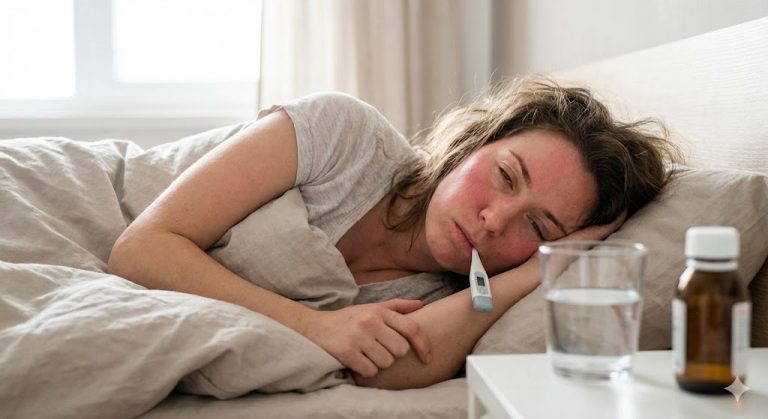
My review of detoxing after a viral infection reveals significant insights into promoting recovery and restoring health. Many individuals experience lingering symptoms long after the acute phase of infection has resolved. These ongoing issues often stem from the body’s immune response and the impact of the virus on various systems. I have analyzed numerous studies and clinical recommendations to identify effective strategies for revitalizing health post-infection.
One crucial aspect of recovery involves understanding the body’s need for nutrients and hydration. After a viral infection, the immune system can become depleted, leading to fatigue and weakness. It becomes essential to replenish these resources. My analysis suggests a focus on whole foods, adequate hydration, and key supplements can facilitate this process.
Another factor I observed is the importance of restoring gut health. Viral infections can disrupt the gut microbiome, contributing to digestive issues and overall malaise. I found that incorporating prebiotic and probiotic foods can help restore balance and enhance recovery. This aspect is often overlooked but is critical for long-term health.
Finally, I emphasize the role of lifestyle changes in the detoxification process. Stress management, proper sleep, and gentle physical activity are vital for recovery. My review indicates that these factors can significantly influence the body’s ability to detoxify and heal effectively.
The Detoxification Protocol
- Dosage/Timing: Take vitamin C (1000 mg) in the morning to support immune function.
- Function/Timeline: Use a sauna 2-3 times a week to promote sweating and toxin elimination.
- Dosage/Timing: Consume omega-3 fatty acids (2000 mg) daily to reduce inflammation.
- Function/Timeline: Implement a daily hydration routine, aiming for at least 64 oz of water to support detoxification.
Morning Routine
Starting the day with hydration is crucial. Drinking water first thing in the morning helps flush out toxins accumulated overnight. Adding lemon or apple cider vinegar can further enhance detoxification. These additions not only improve hydration but also support digestive health.
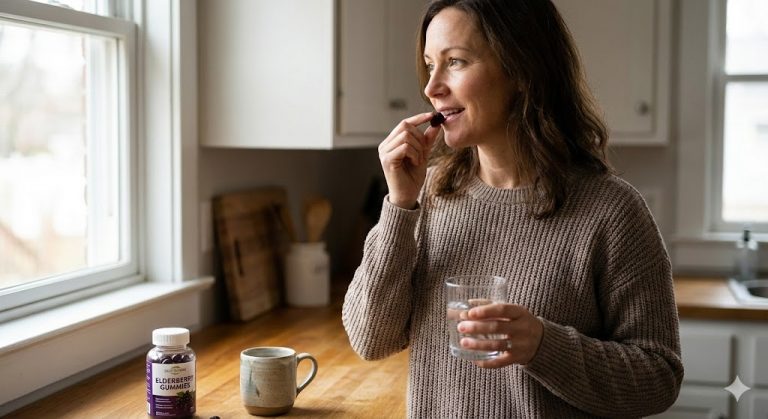
Incorporating specific supplements during the morning can also aid in recovery. Vitamin C is particularly beneficial for immune support. Taking it in the morning ensures the body has the necessary nutrients to combat any lingering effects of the virus.
Consider including a light breakfast rich in fiber and protein. Foods such as oatmeal or smoothies with leafy greens can provide essential nutrients and help stabilize energy levels throughout the day. This combination sets a positive tone for recovery.
The Preparation Phase
Preparing the body for detoxification involves assessing dietary habits. Reducing processed foods and sugars can significantly enhance health outcomes. These foods can contribute to inflammation and hinder recovery, making it essential to focus on whole, nutrient-dense options.
Introducing detox-supportive foods, such as cruciferous vegetables, can aid liver function. These vegetables contain compounds that help the liver process toxins more efficiently. Broccoli, cauliflower, and kale should be staples during this phase.
In this phase, it is also beneficial to establish a consistent sleep schedule. Sleep plays a vital role in recovery and detoxification. Aim for 7-9 hours of quality sleep each night to facilitate the body’s natural healing processes.
Long-Term Management
Long-term management of health post-viral infection requires a sustained commitment to dietary and lifestyle choices. Continuing to incorporate probiotics into the diet can support gut health. Foods such as yogurt, kefir, and fermented vegetables are excellent choices.
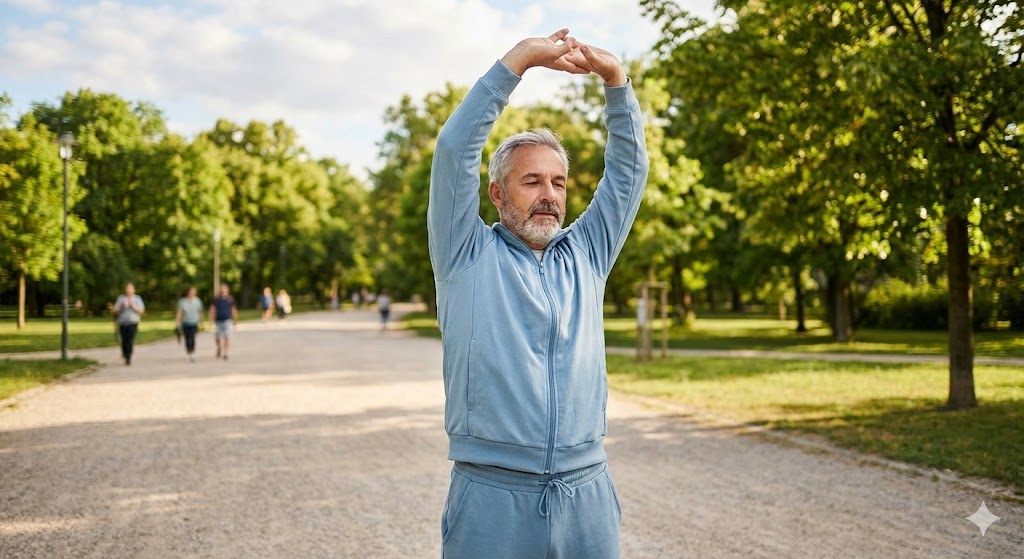
Regular physical activity is another key component of long-term management. Engaging in moderate exercise, such as walking or yoga, can improve circulation and support the immune system. This approach aids in the continued detoxification process.
Lastly, maintaining a stress-reduction practice, such as meditation or mindfulness, can greatly influence overall health. Chronic stress can impede recovery and detoxification, making it essential to find effective ways to manage stress levels.
Cellular Response to Infection
The immune system’s response to viral infections involves various cellular activities aimed at eliminating pathogens. Inflammation often occurs as a natural defense mechanism, but it can lead to tissue damage if left unchecked. After the infection subsides, managing this inflammation becomes crucial for recovery.
Research indicates that prolonged inflammation can contribute to fatigue and other lingering symptoms. Supporting the body with anti-inflammatory foods and supplements helps mitigate these effects. A diet rich in antioxidants can also combat oxidative stress resulting from the immune response.
Studies show that incorporating omega-3 fatty acids can significantly reduce inflammation. These fatty acids are known to play a role in regulating immune responses. For more detailed information, refer to the National Institutes of Health.
Common Errors in Recovery
Failing to hydrate adequately is a common mistake. Many individuals underestimate the importance of water in the detoxification process. Insufficient hydration can lead to fatigue and hinder the elimination of toxins. Drinking enough water daily is essential for optimal recovery.
Another frequent error is neglecting gut health. After a viral infection, individuals may overlook the need for probiotics. Without these, digestive issues can persist, affecting overall well-being. Including fermented foods or supplements can help restore gut flora.
Lastly, many people rush back into intense physical activity too soon. This can exacerbate fatigue and prolong recovery. It is advisable to ease into exercise gradually, allowing the body to regain strength without undue stress.
Detox After Viral Infection Key Comparisons
| Factor | Observation | Typical Result |
|---|---|---|
| Duration of Fatigue | Post-infection fatigue can last weeks | Higher likelihood of persistent symptoms |
| Gut Health Restoration | Probiotics can take weeks to show effects | Improved digestion and immunity |
| Inflammation Levels | Chronic inflammation may persist | Increased risk for long-term health issues |
Maximizing Results Through Lifestyle Adjustments
Stacking certain supplements can enhance their effectiveness. For example, combining vitamin C with zinc may provide additional immune support. This combination can help bolster the body’s defenses against lingering effects from the virus.
In terms of lifestyle adjustments, focusing on stress management is vital. Regular mindfulness practices can significantly improve recovery outcomes. These practices help reduce cortisol levels, which can negatively impact immune function if elevated.
Who Should Avoid This?
- Individuals with kidney disease should be cautious with high protein diets, as they can strain kidney function.
- People taking anticoagulants may need to avoid excessive vitamin K, found in leafy greens, to prevent interactions.
- Those with autoimmune conditions should consult a healthcare provider before starting any new supplement regimen.
- Pregnant or nursing women should seek professional guidance before making significant dietary changes.
Final Take
- My Honest Assessment: Detoxing after a viral infection is essential for restoring health and vitality.
- The Smart Play: Focus on a nutrient-rich diet, hydration, and gradual lifestyle changes to support recovery.
- Final Word: Prioritizing health post-infection can lead to substantial long-term benefits.
Common Questions
What are the best foods to eat after a viral infection?
Focus on whole foods rich in vitamins and minerals. Include fruits, vegetables, whole grains, and lean proteins to support recovery.
How long does it take to detox after a viral infection?
The detox period can vary. Many people notice improvements within weeks, but complete recovery may take months.
Can supplements help with recovery?
Yes, certain supplements like vitamin C, zinc, and omega-3 fatty acids can support immune function and reduce inflammation.
Is exercise recommended during recovery?
Light to moderate exercise can be beneficial. Avoid intense workouts until fully recovered to prevent fatigue.
Get Your FREE Ultimate Vitamin Guide!
Join the VitaminProGuide community to receive science-backed supplement reviews, nutritional insights, and absorption tips, delivered straight to your inbox.