Contents
My review of repairing the moisture barrier after over-exfoliation centers around the importance of a healthy skin barrier. Over-exfoliation can lead to significant skin issues, including dryness, irritation, and sensitivity. I have gathered extensive research on how to effectively restore this vital skin component.
Many individuals underestimate the damage caused by aggressive exfoliation methods. This can compromise not only the moisture barrier but also the overall skin health. My analysis reveals that a balanced approach to exfoliation is crucial for maintaining skin integrity.
Through my investigative work, I have identified several key strategies to support skin recovery. Emphasizing hydration, gentle cleansing, and protective measures can make a substantial difference. I aim to share these findings to help others avoid the pitfalls associated with over-exfoliation.
Understanding the role of specific ingredients and practices can empower individuals to make informed choices. My commitment is to provide evidence-based recommendations for revitalizing skin health after exfoliation mishaps.
Revitalization Techniques for Skin Barrier Repair
- Apply hydrating serums containing hyaluronic acid twice daily.
- Use a gentle, non-foaming cleanser in the evening.
- Incorporate ceramide-rich moisturizers to restore the barrier.
- Consider oral supplements like omega-3 fatty acids for improved skin health.
The Preparation
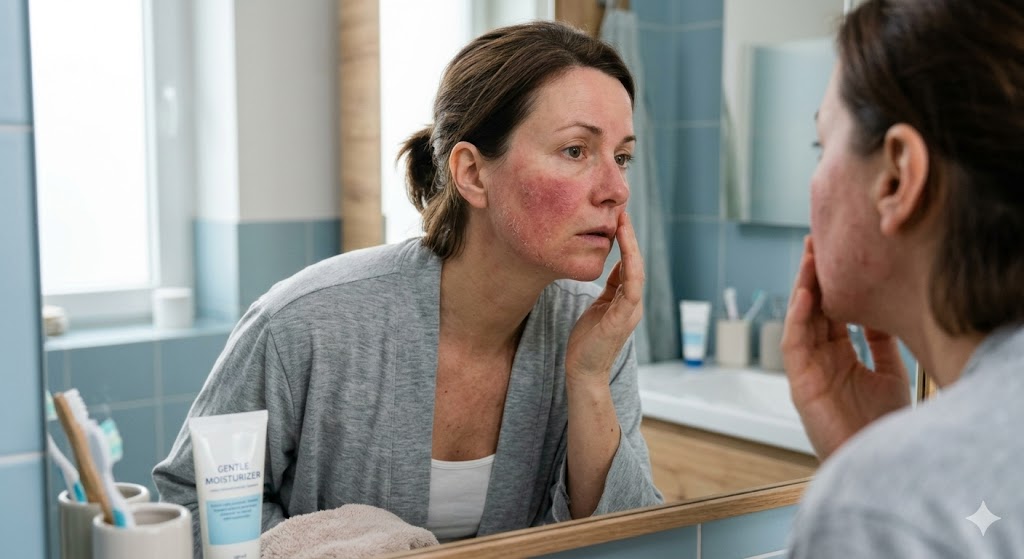
Before initiating any repair regimen, assess the current state of your skin. Begin by identifying any signs of irritation, redness, or sensitivity. This evaluation is crucial in tailoring your approach to restoring the moisture barrier. A gentle, non-stripping cleanser should be your first line of defense. Choose products free from harsh sulfates and alcohols to minimize irritation.
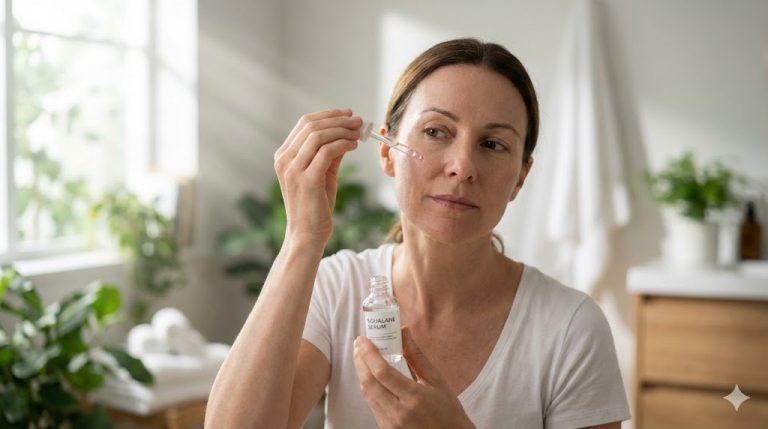
Once the cleansing routine is established, focus on hydration. Incorporating a hydrating serum containing hyaluronic acid can significantly improve moisture levels. Apply this serum immediately after cleansing to lock in hydration. This step is essential for rebuilding the moisture barrier, as it helps draw moisture into the skin.
Following hydration, a nourishing moisturizer is vital. Select a formula rich in ceramides and fatty acids. These ingredients work synergistically to repair the skin barrier. Apply this moisturizer both morning and night to ensure continuous support for your skin’s recovery.
The Adjustment Phase
As your skin begins to heal, introduce additional supportive products gradually. Avoid any form of exfoliation for a minimum of two weeks. Instead, focus on soothing and repairing the skin. Products containing niacinamide can help reduce inflammation and strengthen the skin barrier. Incorporate this ingredient into your routine after the initial healing phase.
During this phase, monitor your skin’s response to new products. If irritation arises, discontinue use and revert to your basic hydration routine. Patience is key in this process. The skin may take time to fully recover, and forcing it can lead to setbacks.
Additionally, consider the use of occlusives. Ingredients like petrolatum or dimethicone can create a protective layer over the skin. This barrier helps prevent moisture loss and allows the skin to heal more effectively. Apply these occlusives as the final step in your nighttime routine for optimal results.
Long-Term Management
Once your skin has stabilized, focus on long-term barrier maintenance. Incorporating a balanced skincare routine will help sustain the improvements achieved. Continue using gentle cleansers and hydrating serums as foundational products. Regularly reassess your skin’s needs and adjust your routine accordingly.
Consider integrating antioxidants into your regimen. Ingredients like vitamin C can offer protection against environmental stressors. This addition will support overall skin health and prevent future issues related to barrier dysfunction.
Lastly, maintain a healthy lifestyle to further support your skin. Hydration, a balanced diet, and adequate sleep all play significant roles in skin health. By combining these lifestyle factors with your skincare routine, you can ensure long-term success in maintaining a resilient moisture barrier.
Biological Impact of Moisture Barrier Restoration
The skin barrier plays a critical role in maintaining skin health. The outermost layer of the skin, known as the stratum corneum, is primarily responsible for retaining moisture and protecting against environmental aggressors. When this barrier is compromised, as seen with over-exfoliation, the skin becomes susceptible to dehydration and irritation.
Research indicates that a healthy moisture barrier enhances the skin’s ability to retain water. This is vital for maintaining skin elasticity and preventing premature aging. Clinical studies highlight the importance of restoring this barrier through targeted ingredients like ceramides and fatty acids. These components are essential for rebuilding the lipid matrix that keeps the skin hydrated and protected.
For further reading on the biological aspects of skin health, visit the NIH Office of Dietary Supplements. This resource provides a wealth of information on the nutrients that support skin integrity and overall health.
Common Errors in Moisture Barrier Restoration
Failing to allow adequate recovery time after over-exfoliation can hinder results. Many individuals rush to reintroduce exfoliating products, leading to further irritation and damage. The solution is to prioritize hydration and gentle care until the skin shows signs of improvement.
Another common mistake is neglecting to use a moisturizer consistently. Skipping this step can exacerbate dryness and prolong the healing process. Choosing a moisturizer rich in ceramides is essential to restore the moisture barrier effectively.
Many people also overlook the impact of lifestyle choices on skin health. Poor diet, lack of hydration, and insufficient sleep can all affect the skin’s ability to recover. Making conscious lifestyle adjustments can significantly enhance the effectiveness of topical treatments.
Moisture Barrier Key Comparisons
| Factor | Observation | Typical Result |
|---|---|---|
| Moisture Levels | Healthy barrier vs compromised barrier | Well-hydrated skin vs dryness and flakiness |
| Skin Sensitivity | Intact barrier vs over-exfoliated skin | Less irritation vs increased redness and irritation |
| Ageing Signs | Maintained barrier vs damaged barrier | Fewer fine lines vs accelerated aging appearance |
Maximizing Repair and Comfort
Stacking supportive ingredients can enhance the effectiveness of your skincare routine. Combining hydrating serums with occlusive agents can create a powerful regimen for moisture retention. This layered approach ensures that the skin receives both immediate hydration and long-lasting protection.
Adjusting your lifestyle can also improve comfort during the recovery phase. Reducing exposure to environmental stressors, such as harsh weather or pollution, can minimize irritation. Creating a calming environment can further support skin healing by reducing external triggers.
Who Should Avoid This?
- Individuals with active skin infections should avoid topical treatments until cleared by a healthcare professional. This can prevent further complications and promote healing.
- Those with known allergies to specific ingredients found in moisturizers or serums should exercise caution. Allergic reactions can exacerbate skin issues and lead to discomfort.
- People with conditions like eczema or psoriasis should consult a dermatologist before starting a repair regimen. These conditions require tailored approaches to avoid flare-ups.
- Anyone undergoing aggressive treatments like chemical peels or laser therapy should wait for skin recovery before introducing new products. This helps ensure optimal healing and prevents additional irritation.
Final Take
- My Honest Assessment: Repairing the moisture barrier after over-exfoliation is absolutely worth the effort.
- The Smart Play: Focus on gentle hydration and avoid harsh treatments until your skin heals.
- Final Word: A well-cared-for skin barrier is essential for long-term skin health and resilience.
Common Questions
What are the signs of a compromised moisture barrier?
Signs include dryness, redness, irritation, and increased sensitivity. These symptoms indicate that the skin barrier is not functioning properly.
How long does it take to repair the moisture barrier?
The repair process can take anywhere from a few days to several weeks, depending on the severity of the damage and the care regimen followed.
Can I still use makeup during the recovery phase?
It is advisable to use minimal makeup, opting for non-comedogenic and hydrating products to avoid further irritation.
What should I avoid when repairing my moisture barrier?
Avoid harsh exfoliants, alcohol-based products, and any irritants that can exacerbate skin sensitivity during the recovery process.
Get Your FREE Ultimate Vitamin Guide!
Join the VitaminProGuide community to receive science-backed supplement reviews, nutritional insights, and absorption tips, delivered straight to your inbox.