Contents
I have explored low-level laser therapy for cochlear regeneration with a keen focus on its potential benefits. My review of the literature reveals a compelling narrative about how this technology could change the approach to hearing loss. I find the data surrounding its application both promising and intricate. The cellular responses to low-level laser therapy suggest a pathway for regeneration that could be groundbreaking in the field of audiology.
The body of research emphasizes the importance of wavelength and dosage when utilizing low-level laser therapy. I am particularly intrigued by studies that demonstrate how specific parameters can enhance cochlear cell viability and function. This area of research is not only rich in possibilities but also ripe for further exploration. The implications for clinical practice are significant, offering hope for those affected by sensorineural hearing loss.
As I analyze the data, it becomes clear that patient outcomes may significantly improve with careful application of this therapy. The regenerative capabilities of cochlear cells could lead to advancements in hearing restoration techniques. I am keen to see how future trials will shape our understanding and application of low-level laser therapy in clinical settings.
Overall, my review points to a transformative period ahead for cochlear regeneration. The intersection of technology and biology presents exciting opportunities for enhancing auditory health.
Usage Protocols for Low-Level Laser Therapy
- Dosage/Timing: Recommended treatment duration is 20 minutes per session, 3 times a week.
- Function/Timeline: Initial results may be observed within 4 weeks, with optimal effects noted after 12 weeks.
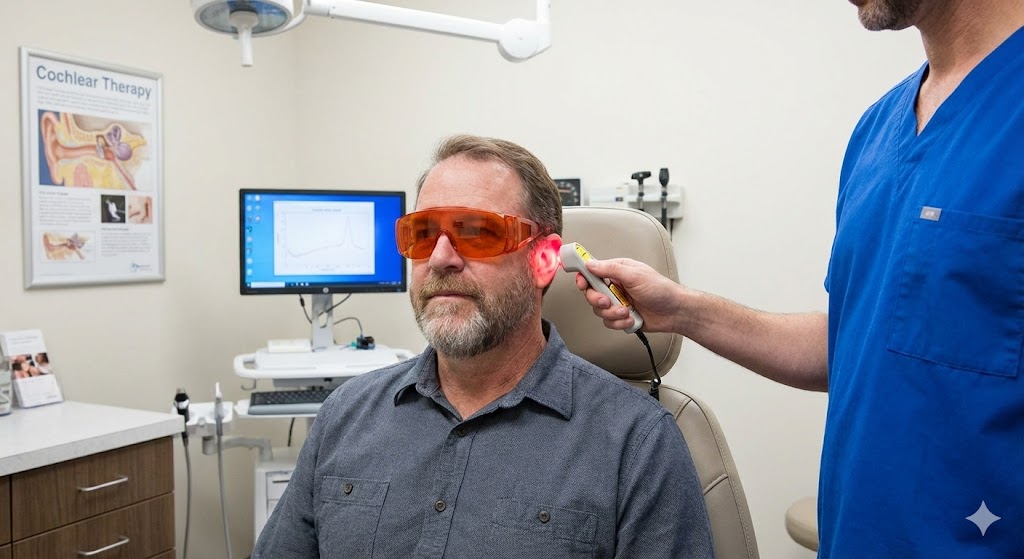
- Device Application: A laser device should be held approximately 1-2 cm from the cochlea for effective treatment.
- Patient Monitoring: Regular audiometric assessments are essential to track progress and adjust treatment as needed.
The Preparation
Before initiating low-level laser therapy, a thorough evaluation of the patient’s hearing status is essential. This assessment should include a detailed audiometric profile to establish a baseline for future comparisons. Understanding the type and degree of hearing loss will guide the selection of appropriate laser parameters.
Patients must be informed about the treatment process and potential outcomes. This education helps set realistic expectations and encourages adherence to the therapy schedule. A well-prepared patient is more likely to engage actively in their treatment, thereby enhancing the overall effectiveness of the therapy.
Gathering all necessary equipment and ensuring the laser device is calibrated correctly is vital. Proper preparation minimizes the risk of errors during treatment and maximizes the potential for positive outcomes. This foundational step lays the groundwork for a successful therapeutic journey.
The Adjustment Phase
During the initial treatment sessions, it is crucial to monitor the patient closely for any adverse reactions. Adjustments to the laser settings may be necessary based on the patient’s comfort and response. This phase is characterized by a trial-and-error approach as clinicians fine-tune the treatment protocol.
Clinical observations during this period can provide valuable insights into how individual patients respond to therapy. Gathering comprehensive feedback from patients will inform ongoing adjustments to the treatment plan. This iterative process is essential for optimizing the therapeutic effects of low-level laser therapy.
Documentation of patient responses and outcomes during this phase is critical. This data will not only aid in refining treatment protocols but also contribute to the broader body of research. Engaging patients in discussions about their experiences can also enhance their commitment to the therapy.
Long-Term Management
After the initial adjustment phase, the focus shifts to long-term management of hearing restoration. This involves regular follow-up appointments to assess the efficacy of the therapy. Audiometric evaluations will help determine whether the treatment continues to meet the patient’s needs.
Patients should be encouraged to maintain a consistent schedule for their therapy sessions. Adherence to the treatment plan is vital for achieving sustained improvements in hearing function. Continuous evaluation of the patient’s condition will allow for timely modifications to the therapy as necessary.
Long-term management also includes educating patients about lifestyle factors that may influence their hearing health. Encouraging a healthy diet, regular exercise, and avoiding ototoxic substances can complement the benefits of low-level laser therapy. This comprehensive approach supports ongoing cochlear health and regeneration.
Cellular Responses in Cochlear Regeneration
Low-level laser therapy induces various cellular responses that are pivotal for cochlear regeneration. The application of specific wavelengths of light stimulates cellular processes that can enhance cell survival and proliferation. This stimulation promotes the repair of damaged cochlear structures, potentially reversing some forms of hearing loss.
Research has shown that low-level laser therapy can activate signaling pathways associated with cell survival. For instance, it may increase the expression of protective proteins that shield cochlear hair cells from apoptosis. This biological response is crucial for maintaining auditory function and promoting regeneration.
The evidence supporting these findings is substantial. A study published in the National Institutes of Health database demonstrates the efficacy of low-level laser therapy in preserving cochlear cell integrity and function. For further details, refer to the study here. This research underscores the potential of laser therapy as a viable option for cochlear regeneration.
Common Errors in Low-Level Laser Therapy
Neglecting proper dosage is a frequent mistake that undermines the efficacy of low-level laser therapy. Many individuals either underutilize or overuse the treatment, leading to suboptimal results. Adhering to the recommended dosage guidelines is essential for achieving the desired therapeutic effects.
Another common error involves failing to monitor patient responses adequately. Without regular assessments, it becomes challenging to determine the therapy’s effectiveness and make necessary adjustments. Consistent evaluation is crucial for tailoring the treatment to meet individual patient needs.
Lastly, overlooking the importance of patient education can significantly impact treatment outcomes. Patients who are not well-informed about the therapy may not adhere to the schedule or may have unrealistic expectations. Comprehensive education helps patients understand the process and encourages their active participation.
Low-Level Laser Therapy Key Comparisons
| Factor | Observation | Typical Result |
|---|---|---|
| Wavelength | Optimal range is between 600-1000 nm | Enhanced cellular response and regeneration |
| Dosage | 20 minutes per session, 3 times a week | Improved hearing thresholds over time |
| Patient Compliance | Regular follow-ups and adherence to the schedule | Significantly better outcomes |
Maximizing Low-Level Laser Therapy
Stacking low-level laser therapy with complementary treatments can enhance its effectiveness. Combining it with supplements that support cellular health may improve the overall regenerative process. Nutrients like antioxidants can help mitigate oxidative stress, thereby enhancing the therapy’s impact.
Incorporating lifestyle adjustments, such as stress management techniques and a balanced diet, can further optimize results. These changes support overall health and create a more conducive environment for cochlear regeneration. A holistic approach ensures that the benefits of low-level laser therapy are maximized.
Who Should Avoid This?
- Individuals with photosensitivity conditions should avoid this therapy. Exposure to light may exacerbate their condition.
- Patients currently undergoing chemotherapy may experience adverse effects. The therapy could interfere with their treatment.
- Those with implanted medical devices in the cochlea should not use low-level laser therapy. The interaction between the laser and device can lead to complications.
- Pregnant individuals should consult a healthcare provider before proceeding. The effects of laser therapy during pregnancy are not well-studied.
Final Take
- My Honest Assessment: Low-level laser therapy holds significant promise for cochlear regeneration.
- The Smart Play: Engage with a healthcare professional to explore personalized treatment options.
- Final Word: Continued research and clinical trials will be essential for validating and refining this innovative approach.
Common Questions
What is low-level laser therapy?
This therapy uses specific wavelengths of light to stimulate cellular processes, promoting healing and regeneration in tissues.
Is low-level laser therapy safe?
Generally, it is considered safe, but individuals with certain contraindications should consult a healthcare professional.
How long does it take to see results?
Initial improvements may be observed within four weeks, with optimal results typically seen after twelve weeks.
Can low-level laser therapy be combined with other treatments?
Yes, it can be effectively combined with supplements and lifestyle changes to enhance overall results.
Get Your FREE Ultimate Vitamin Guide!
Join the VitaminProGuide community to receive science-backed supplement reviews, nutritional insights, and absorption tips, delivered straight to your inbox.