I have reviewed the literature on rhodopsin regeneration cycle rates and their impact on vision. The regeneration of rhodopsin is critical for maintaining photoreceptor function in the retina. My analysis reveals that any disruption in this cycle can lead to significant visual impairments. Understanding the nuances of this cycle is essential for developing interventions in retinal diseases.
The rhodopsin regeneration process involves several biochemical steps. The speed at which this cycle occurs can vary based on multiple factors, including diet and environmental conditions. My findings suggest that optimizing this cycle could enhance visual acuity and overall retinal health.
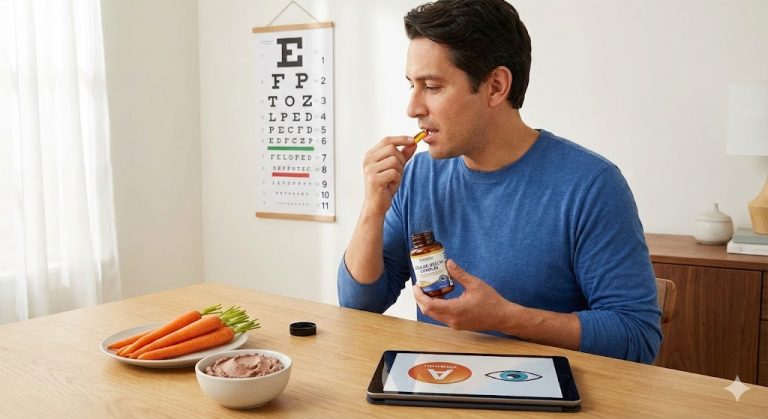
Research indicates that certain nutrients play a pivotal role in supporting the rhodopsin regeneration process. For instance, vitamin A is a key component of rhodopsin and is essential for its synthesis. By ensuring adequate intake of this nutrient, one may improve the regeneration capacity of photoreceptors, potentially mitigating vision loss.
Overall, my review highlights the importance of the rhodopsin regeneration cycle. Continued research will further elucidate its implications for vision health. The data is compelling, and I encourage further exploration into this critical area.
Understanding Rhodopsin Regeneration and Its Importance
- Dosage/Timing: Vitamin A supplementation is most effective when taken in the morning for optimal absorption.
- Function/Timeline: Regular use of retinal imaging can track rhodopsin regeneration efficiency over time.
- Dosage/Timing: Antioxidant-rich foods should be consumed daily to support retinal health.
- Function/Timeline: Consistent use of low-vision rehabilitation can enhance adaptation to changes in rhodopsin levels.
The Role of Vitamin A
Vitamin A is essential for the synthesis of rhodopsin, the pigment responsible for the initial step in phototransduction. Without adequate levels of vitamin A, the regeneration of rhodopsin is severely impaired. This leads to decreased sensitivity to light and potential vision loss.
Research shows that a deficiency in vitamin A can result in night blindness, a condition directly linked to inadequate rhodopsin levels. Supplementation has been shown to significantly improve visual function in individuals with low dietary intake.
Timing of vitamin A intake is critical. Consuming this nutrient in the morning aligns with the body’s natural rhythms, enhancing its bioavailability. Regular intake can ensure a steady supply for optimal rhodopsin regeneration.
Impact of Environmental Factors
Environmental conditions significantly influence the rhodopsin regeneration cycle. Light exposure plays a pivotal role in the phototransduction pathway. Prolonged exposure to bright light can lead to photobleaching of rhodopsin, necessitating faster regeneration.
Conversely, limited light exposure can slow down the regeneration process, as the photoreceptors require specific stimuli to function optimally. Adapting to varying light conditions is essential for maintaining effective visual acuity.
Adaptive strategies, such as wearing protective eyewear in bright conditions, can help mitigate the adverse effects of excessive light exposure. This can preserve rhodopsin levels and enhance overall retinal health.
Monitoring and Interventions
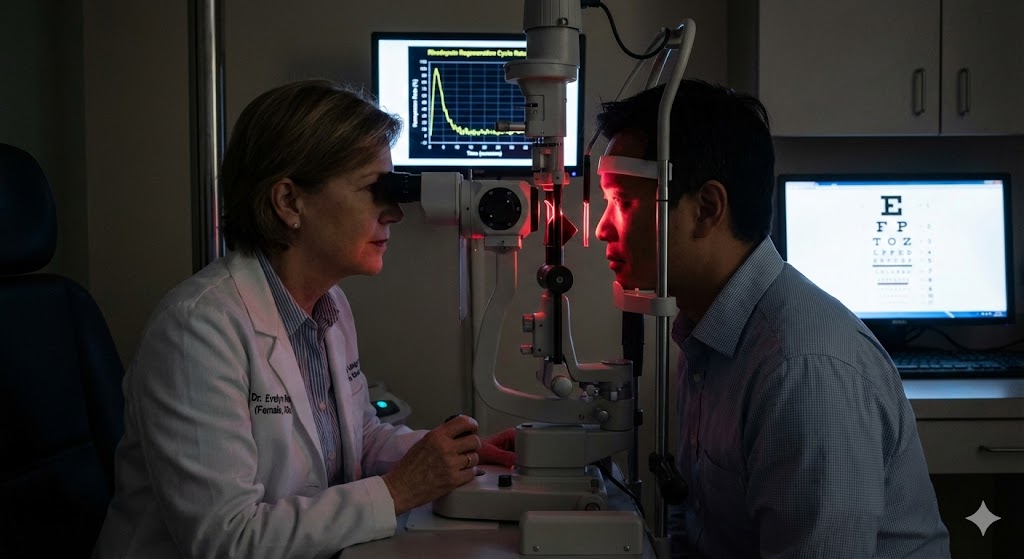
Regular monitoring of rhodopsin levels is crucial for individuals at risk of retinal diseases. Advanced imaging techniques can provide insights into the efficiency of the regeneration process. These technologies allow for early intervention when deficits are detected.
Medical interventions, including antioxidant therapy, have shown promise in supporting rhodopsin regeneration. These treatments can help reduce oxidative stress, a major factor in retinal degeneration.
Long-term management of rhodopsin levels may also involve lifestyle adjustments, such as incorporating a diet rich in antioxidants. This approach not only supports rhodopsin regeneration but also protects against further retinal damage.
Biological Impacts on Rhodopsin Regeneration
The phototransduction cascade is crucial for converting light into neural signals. Rhodopsin, located in the photoreceptor cells of the retina, undergoes a transformation when it absorbs photons. This transformation initiates a series of biochemical reactions that ultimately result in vision.
Studies have demonstrated the direct correlation between rhodopsin regeneration rates and visual acuity. A faster regeneration rate enhances the ability to adapt to changing light conditions, improving overall visual performance. According to research published by the National Institutes of Health, maintaining optimal rhodopsin levels is vital for preventing vision-related disorders NIH.
Further investigations into the genetic factors influencing rhodopsin regeneration could yield significant insights. Understanding these biological components may lead to targeted therapies for individuals suffering from retinal diseases.
Common Errors in Managing Rhodopsin Levels
Neglecting Dietary Intake
A common mistake is overlooking the importance of dietary vitamin A. Insufficient intake can lead to impaired rhodopsin regeneration. Ensuring adequate consumption of foods rich in this nutrient is essential for maintaining optimal vision.
Overexposure to Bright Light
People often underestimate the effect of bright light on retinal health. Excessive exposure can lead to the rapid bleaching of rhodopsin. Protective measures, such as sunglasses, can prevent this damage and support the regeneration process.
Ignoring Symptoms of Deficiency
Many individuals ignore early signs of vitamin A deficiency, such as night blindness. Recognizing these symptoms is crucial for timely intervention. Seeking medical advice can lead to effective management strategies.
Rhodopsin Key Comparisons
| Factor | Observation | Typical Result |
|---|---|---|
| Vitamin A Levels | Low levels correlate with slower rhodopsin regeneration | Increased risk of night blindness |
| Light Exposure | High exposure accelerates rhodopsin bleaching | Decreased visual sensitivity |
| Antioxidant Intake | Higher intake supports rhodopsin levels | Improved overall retinal health |
Maximizing Rhodopsin Regeneration
Stacking vitamin A with other antioxidants can enhance bioavailability and support rhodopsin regeneration. This combination can provide a synergistic effect, leading to improved visual performance. Regularly consuming a diet rich in these nutrients can further enhance the effectiveness of this approach.
Implementing lifestyle adjustments, such as regular eye check-ups and protective eyewear, can significantly improve comfort and visual function. These practices help maintain optimal rhodopsin levels and prevent long-term damage to the retina.
Who Should Avoid This?
- Individuals with Hypervitaminosis A: Excessive vitamin A can lead to toxicity. This condition can cause severe health issues.
- People with Certain Retinal Diseases: Some eye conditions may worsen with increased vitamin A intake. Consultation with a healthcare provider is essential.
- Those on Specific Medications: Certain medications can interact negatively with vitamin A. Always check with a healthcare professional before supplementation.
Final Take
- My Honest Assessment: Rhodopsin regeneration is crucial for maintaining visual health and should not be overlooked.
- The Smart Play: Focus on a balanced diet rich in vitamin A and antioxidants to support this process.
- Final Word: Understanding and managing rhodopsin levels can lead to improved vision and quality of life.
Common Questions
What is the role of rhodopsin in vision?
Rhodopsin is a light-sensitive pigment in the retina that initiates the process of converting light into electrical signals for the brain.
How does vitamin A affect rhodopsin levels?
Vitamin A is a critical component of rhodopsin. Adequate levels are necessary for its synthesis and regeneration.
Can dietary changes improve vision?
Yes, a diet rich in vitamin A and antioxidants can support rhodopsin regeneration and enhance overall visual health.
Are there any side effects of rhodopsin supplementation?
Excessive vitamin A intake can lead to toxicity. It is essential to consult with a healthcare provider before starting any supplementation.
Get Your FREE Ultimate Vitamin Guide!
Join the VitaminProGuide community to receive science-backed supplement reviews, nutritional insights, and absorption tips, delivered straight to your inbox.