Physical Address
304 North Cardinal St.
Dorchester Center, MA 02124
Physical Address
304 North Cardinal St.
Dorchester Center, MA 02124
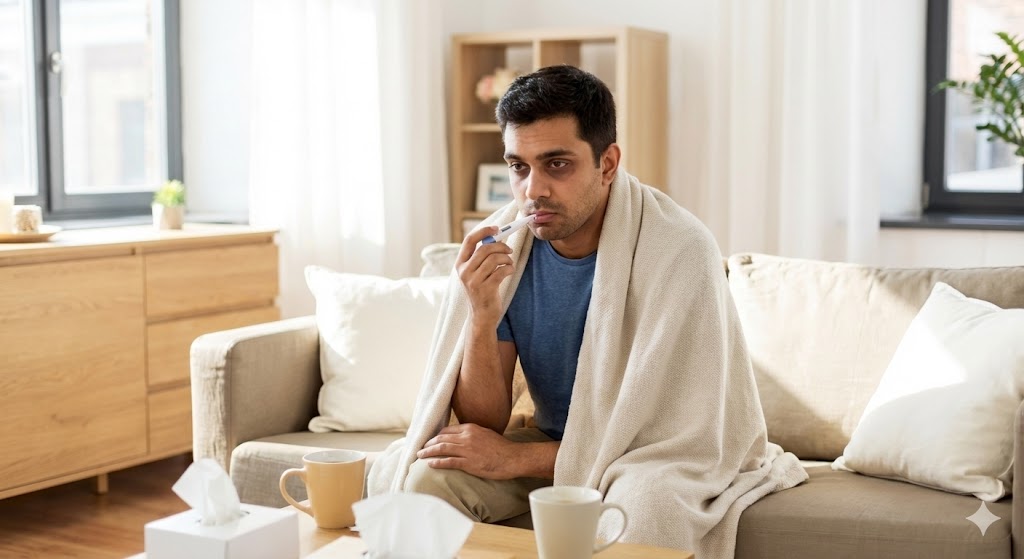
Recognizing the early signs of a weak immune system is essential for maintaining long-term metabolic resilience. When your internal defense mechanisms struggle to keep pace with environmental stressors, your body often broadcasts specific, quiet signals that go unnoticed until they manifest as persistent fatigue or recurring issues.
Biological efficiency relies on a delicate balance of micronutrients, sleep quality, and stress management. When this balance shifts, the immune response—which typically operates in the background—begins to consume more energy, leaving less fuel for your daily cognitive and physical tasks.
A compromised immune system is characterized by frequent, lingering infections, slow wound healing, chronic digestive distress, and persistent fatigue. These indicators suggest that the body is diverting resources toward constant low-grade inflammation rather than optimal cellular repair.
When your immune system is constantly active, it creates a metabolic tax on your ATP production. This process, often referred to as the “sickness behavior” response, is the body’s way of forcing you to conserve energy so it can prioritize defense over movement or complex thought.
If you find yourself needing excessive sleep but still waking up feeling unrefreshed, it may indicate that your immune cells are stuck in a state of chronic activation. This is not merely a lack of rest; it is a sign that your internal systems are working overtime to manage low-level inflammation.
Active Compound: magnesium glycinate
Mechanism of Action: Supports ATP synthesis and helps modulate the HPA axis to lower systemic cortisol levels.
Best Used For: Individuals experiencing physical burnout and poor sleep quality due to high-stress environments.
Your skin acts as the first line of defense, and its ability to repair itself is a direct reflection of your immune health. When you notice that minor cuts, scrapes, or bruises take longer than expected to resolve, it suggests that your body is struggling to mobilize the necessary white blood cells and collagen-building nutrients to the site of the injury.
This delay often points to a deficiency in essential co-factors like vitamin C or zinc. According to the National Institutes of Health, vitamin C is vital for the synthesis of collagen, which provides the structural framework for skin integrity and tissue repair.
A significant portion of your immune system resides in the gut, specifically within the gut-associated lymphoid tissue. When the balance of your microbiome is disrupted, your body’s ability to distinguish between harmless food proteins and actual pathogens becomes compromised.
This often manifests as frequent bloating, gas, or irregular bowel movements. When the gut lining is stressed, it can lead to increased permeability, forcing the immune system to react to substances that should have been filtered out, further draining your systemic energy reserves.
| Metric | Optimal Status | Compromised Status |
|---|---|---|
| Wound Healing Time | 3–7 days | 10+ days |
| Inflammatory Markers | Low hs-CRP | Elevated hs-CRP |
If you find yourself catching every cold that circulates through your office or household, your immune system may be failing to mount an effective initial response. This is often linked to low levels of circulating vitamin D3, which acts as a key regulator for the expression of antimicrobial peptides in the lungs.
The clinical literature highlights that these peptides are essential for neutralizing pathogens before they can establish a foothold. When these levels are insufficient, the body must rely on a more aggressive, inflammatory response, which explains why you might feel more severe symptoms for a longer duration.
Stress is perhaps the most overlooked factor in immune regulation. When you are under constant pressure, your body releases high levels of cortisol, which is designed to be a short-term survival hormone. Over time, this suppresses the production of lymphocytes, the white blood cells that fight off infections.
This creates a cycle where you feel more vulnerable to illness, which in turn increases your stress levels. Breaking this cycle requires intentional focus on nervous system regulation, such as deep breathing or consistent sleep hygiene, to allow the immune system to return to its baseline state of readiness.
No, supplements are designed to fill specific gaps in your nutrition. A whole-food diet provides a complex matrix of phytonutrients and fiber that cannot be replicated in a capsule.
Immune cells have varying lifespans, but many individuals notice improvements in energy and resilience within 4 to 8 weeks of consistent lifestyle and nutritional adjustments.
While there is no single “immune test,” markers like a complete blood count (CBC) with differential, vitamin D3 levels, and hs-CRP can provide a clear picture of your current inflammatory and immune status.
A weak immune system is rarely the result of one single factor, but rather a cumulative effect of nutrient deficiencies, chronic stress, and poor recovery. By addressing these foundational elements, you allow your body to shift from a state of constant defense to one of efficient, proactive protection.
This information is for educational purposes only and does not constitute medical advice. Always consult with a qualified healthcare professional before making significant changes to your wellness protocol or starting new supplement regimens.
To begin improving your immune resilience, start by tracking your daily intake of vitamin C and zinc-rich foods for one week to identify potential gaps in your current nutritional baseline.
Get Your FREE Ultimate Vitamin Guide!
Join the VitaminProGuide community to receive science-backed supplement reviews, nutritional insights, and absorption tips, delivered straight to your inbox.
Vitaminproguide.com is reader-supported. When you buy through links on our site, we may earn an affiliate commission at no extra cost to you. As an Amazon Associate, we earn from qualifying purchases. Read our full disclosure.