Contents
Researching remedies for meralgia paresthetica has led me to a wide array of potential treatments and lifestyle adjustments. This condition, characterized by tingling or numbness in the outer thigh, can stem from various causes such as nerve compression or obesity. My review of recent studies suggests that a combination of physical therapy, dietary changes, and certain supplements may provide relief.
Many people experience significant discomfort due to meralgia paresthetica. I found that understanding the underlying causes is crucial to addressing the symptoms effectively. This includes identifying risk factors such as tight clothing, prolonged sitting, or weight gain, which can exacerbate nerve compression. My exploration has shown that targeted exercises can alleviate pressure on the affected nerve.
In addition to physical therapy, nutritional strategies play a vital role. Certain vitamins and minerals, particularly those that support nerve health, may help alleviate symptoms. My analysis indicates that supplements like B vitamins, particularly B12, are essential for nerve function and may improve symptoms. It is important to combine these remedies with lifestyle changes for optimal results.
Overall, my findings highlight the importance of a comprehensive approach to managing meralgia paresthetica. Addressing the condition through both physical and dietary interventions may provide significant relief for those affected.
Essential Strategies for Relief
- Dosage/Timing: B12 supplements should be taken daily for optimal nerve health.
- Function/Timeline: Physical therapy should start with gentle stretching for the first month.
- Dosage/Timing: Omega-3 fatty acids should be consumed at least three times per week.
- Function/Timeline: Weight management should be a long-term goal to reduce nerve compression.
The Preparation
Addressing meralgia paresthetica begins with an assessment of lifestyle factors. This involves evaluating posture and the fit of clothing. Tight garments can compress nerves in the thigh area, worsening symptoms. Adjusting wardrobe choices is a simple yet effective first step.
Dietary changes should also be considered during this phase. Incorporating foods rich in B vitamins, such as fish, eggs, and dairy, supports nerve health. These nutrients are essential for maintaining proper nerve function and may alleviate symptoms when consumed regularly.
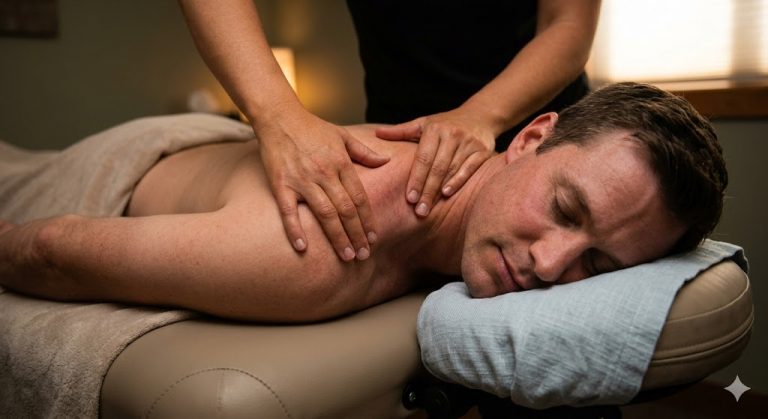
Beginning a physical therapy regimen is crucial. This may include targeted exercises designed to strengthen the hip and thigh muscles. Engaging in stretching exercises can also help relieve pressure on the affected nerve. A well-structured program should be initiated to prepare the body for further treatment.
The Adjustment Phase
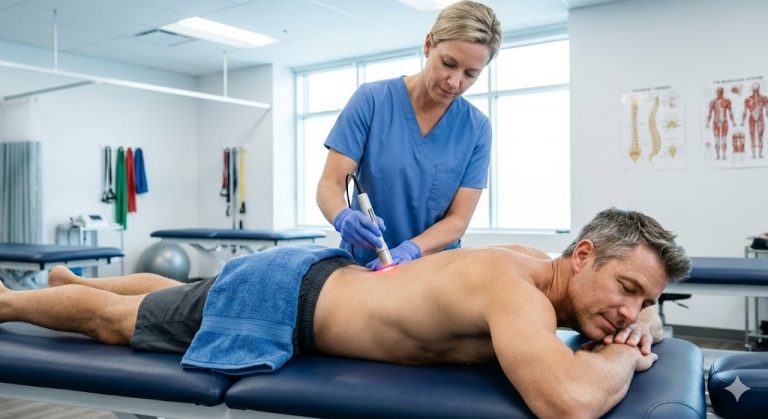
After implementing initial changes, focus shifts to more active interventions. Physical therapy sessions should become more frequent and involve a variety of exercises. These can include resistance training and activities that improve flexibility. Such exercises are designed to strengthen the muscles around the nerve.
Alongside physical therapy, supplementation should be monitored. B12 levels can be assessed through blood tests to ensure adequate intake. If deficiencies are present, higher doses may be recommended. This adjustment can enhance nerve function and reduce discomfort.
Consider the use of topical treatments as an adjunct. Creams containing capsaicin can provide localized pain relief. Applying these treatments as directed can help manage symptoms effectively during this phase.
Long-Term Management
Long-term management of meralgia paresthetica requires a consistent approach. Regular follow-ups with healthcare providers ensure that treatment remains effective. Adjustments to therapy or dietary habits may be necessary based on symptom changes.
Maintaining a healthy weight is vital. Excess weight can contribute to nerve compression. A balanced diet combined with regular exercise can help achieve this goal. Long-term commitment to these lifestyle changes is essential for sustained relief.
Finally, ongoing education about meralgia paresthetica can empower individuals. Understanding triggers and symptoms aids in self-management. Staying informed about new treatments and research can also provide additional options for relief.
Neurological Impact of Meralgia Paresthetica
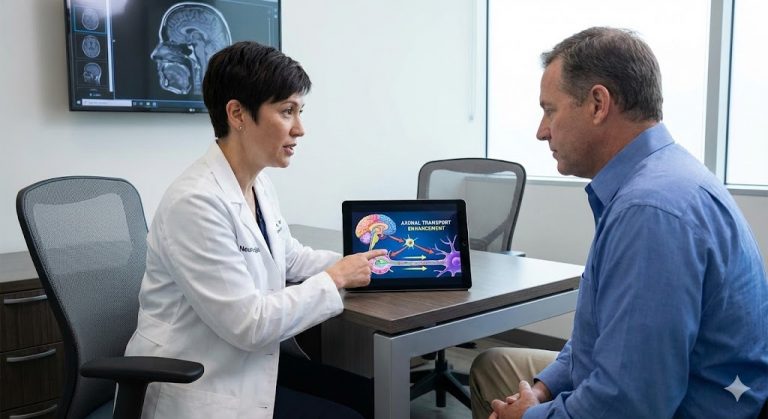
The primary focus is on the ilioinguinal nerve. This nerve runs along the outer thigh and can become compressed due to various factors. When it experiences pressure, individuals may feel tingling or numbness in the affected area. Understanding this relationship is vital for effective treatment.
Research indicates that obesity and sedentary lifestyles significantly increase the risk of developing meralgia paresthetica. A study published by the National Institutes of Health confirms that weight loss can relieve symptoms. This underscores the importance of lifestyle modifications in managing the condition.
Therapeutic interventions such as physical therapy focus on alleviating pressure on the ilioinguinal nerve. These approaches can yield significant improvements in mobility and reduce discomfort. A comprehensive understanding of these factors leads to more effective management strategies.
Common Errors in Treatment
Relying solely on pain medication is a common mistake. While it may provide temporary relief, it does not address the root cause. Instead, a multifaceted approach including physical therapy and lifestyle changes is necessary for long-term results.
Neglecting dietary factors can hinder progress. Many individuals overlook the importance of vitamins and minerals that support nerve health. Incorporating foods rich in B vitamins can make a difference in symptom management.
Ignoring the role of weight management is another error. Excess weight can exacerbate nerve compression. Focusing on a balanced diet and regular exercise is crucial in preventing symptom recurrence.
Meralgia Paresthetica Key Comparisons
| Factor | Observation | Typical Result |
|---|---|---|
| Compression Severity | Increased body weight | Higher incidence of symptoms |
| Vitamin B12 Levels | Low intake | Worsening nerve issues |
| Physical Activity | Limited mobility | Increased discomfort |
Stacking for Enhanced Relief
Combining supplements can improve overall nerve health. For instance, pairing B12 with omega-3 fatty acids enhances absorption and effectiveness. This combination may lead to better symptom management.
Adopting lifestyle adjustments can also bolster treatment outcomes. Engaging in regular low-impact exercises, such as swimming or cycling, supports weight management. These activities can help alleviate pressure on the nerve while promoting overall wellness.
Who Should Avoid This?
- Individuals with Allergies: Those allergic to certain supplements should avoid them to prevent adverse reactions.
- Pregnant Women: Pregnant individuals should consult healthcare providers before starting any new treatments.
- People with Pre-existing Conditions: Those with chronic illnesses should exercise caution and seek medical advice.
Final Take
- My Honest Assessment: Remedies for meralgia paresthetica are certainly worth exploring.
- The Smart Play: Implement a combination of physical therapy, dietary changes, and supplements for best results.
- Final Word: Staying proactive in managing this condition can lead to improved quality of life.
Common Questions
What causes meralgia paresthetica?
Meralgia paresthetica is often caused by compression of the ilioinguinal nerve, which can occur due to obesity, tight clothing, or prolonged sitting.
Can dietary changes help?
Yes, increasing intake of B vitamins can support nerve health and may alleviate symptoms.
How long does recovery take?
Recovery duration varies; some may experience relief within weeks, while others may require several months of consistent treatment.
Are there any surgical options?
Surgery is rarely needed but may be considered in severe cases where other treatments fail.
Get Your FREE Ultimate Vitamin Guide!
Join the VitaminProGuide community to receive science-backed supplement reviews, nutritional insights, and absorption tips, delivered straight to your inbox.