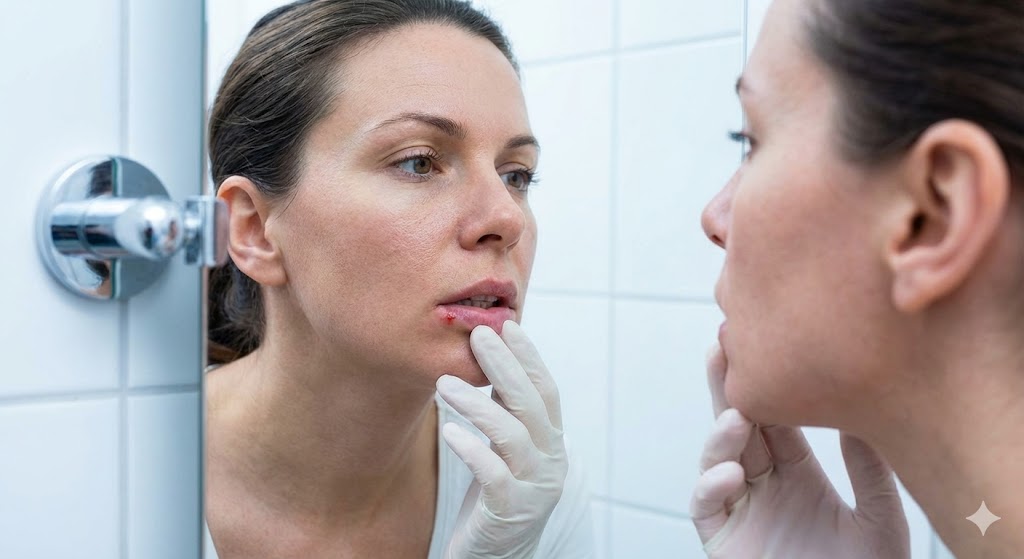
Fever blisters, also known as cold sores, can be both painful and unsightly. As I reviewed various remedies, I focused on the most effective options for soothing these lesions on the lip. The discomfort caused by fever blisters is often exacerbated by environmental factors and stress, which can trigger outbreaks. My analysis highlights both traditional and emerging solutions for managing these outbreaks effectively.
Many people seek immediate relief from the burning and itching sensations associated with fever blisters. I found that topical treatments, such as creams and gels containing antiviral agents, can significantly reduce the duration and severity of outbreaks. Additionally, natural remedies like aloe vera and lemon balm have shown promise in soothing symptoms. My review of the data indicates that early intervention is crucial for effective management.
The emotional toll of having a visible fever blister cannot be underestimated. Social interactions may become uncomfortable, leading to anxiety and self-consciousness. I examined strategies that not only address the physical symptoms but also provide psychological comfort. Techniques such as mindfulness and stress management can be beneficial during outbreaks, allowing individuals to cope better with the emotional aspects of this condition.
The following sections will outline specific protocols for managing fever blisters, the biological impact of the herpes simplex virus, common mistakes people make, and best practices for enhancing results. My goal is to provide a comprehensive resource that empowers individuals to take control of their health.
Effective Application and Usage
- Topical Treatments: Apply antiviral creams as soon as symptoms appear for maximum effectiveness.
- Dosage/Timing: Oral supplements like lysine can be taken daily. Recommended dosage ranges from 1,000 to 3,000 mg.
- Application: Use a cotton swab to apply ointments. Avoid direct contact with the blister to minimize irritation.
- Function/Timeline: Cold compresses can provide immediate relief. Apply for 10 to 15 minutes several times a day.
The Preparation
Preparing for a potential outbreak involves both awareness and proactive measures. Recognizing early signs, such as tingling or itching, allows for prompt intervention. When these symptoms arise, the application of antiviral creams can be most effective. These creams are designed to inhibit the replication of the herpes simplex virus.
Keeping your skin hydrated is equally important. Dry skin can exacerbate the discomfort associated with fever blisters. Regularly applying lip balms that contain soothing ingredients can help maintain moisture levels. Look for products that also provide a protective barrier against external irritants.
Lastly, consider incorporating supplements into your routine. Lysine is a popular option for those prone to frequent outbreaks. Research suggests that it may help reduce the frequency and severity of cold sores. Taking lysine daily can be part of a preventive strategy.
The Adjustment Phase
Once a fever blister has formed, immediate action is crucial. Applying topical treatments as soon as the blister appears can significantly shorten healing time. These treatments usually contain active ingredients like acyclovir or docosanol, which work to reduce viral activity.
During this phase, it is essential to avoid touching the blister. Touching can spread the virus to other areas of the face or to other individuals. Using a cotton swab for application minimizes the risk of cross-contamination.
Managing discomfort is also vital. Cold compresses can reduce swelling and provide relief from pain. This method is particularly effective in the initial stages of an outbreak, as it can alleviate symptoms quickly. Applying a cold compress for 10 to 15 minutes can offer immediate comfort.
Long-Term Management
Long-term strategies focus on reducing the frequency of outbreaks. Stress management techniques, such as yoga or meditation, can be beneficial. Stress is a known trigger for fever blisters, so finding ways to relax can help mitigate future occurrences.
Dietary adjustments may also play a role. Foods rich in lysine, such as dairy products and fish, can support overall health. Conversely, limiting arginine-rich foods, like nuts and chocolate, may help reduce outbreaks.
Regularly consulting with a healthcare professional can provide additional insights. They may recommend prescription antiviral medications for individuals with frequent outbreaks. These medications can help to suppress the virus and reduce the likelihood of future occurrences.
Biological Impact of the Herpes Simplex Virus
The herpes simplex virus primarily targets epithelial cells. Once the virus enters the body, it travels along sensory nerves to become dormant within the nerve ganglia. This dormancy allows the virus to evade the immune system. Periodically, the virus can reactivate, leading to the formation of fever blisters.
Research indicates that several factors can trigger reactivation. Stress, sunlight, and hormonal changes are common culprits. Understanding these triggers can help individuals manage their conditions more effectively. The immune response is crucial in controlling outbreaks. A weakened immune system can lead to more frequent and severe episodes.
Studies have shown that antiviral medications can significantly reduce the duration and frequency of outbreaks. A clinical study published by the National Institutes of Health noted that patients using antiviral treatments experienced a marked decrease in symptoms. For further reading on this topic, visit the NIH website.
Common Errors in Managing Fever Blisters
The first mistake people often make is waiting too long to apply treatment. Delaying the application of antiviral creams can lead to prolonged discomfort. Immediate action is crucial for effective management.
Another common error is touching the blister. This can lead to spreading the virus to other areas of the face or to other individuals. It’s essential to avoid direct contact and use cotton swabs for application.
Lastly, many individuals neglect to maintain hydration. Dry skin exacerbates discomfort. Regularly using lip balms can help keep the area moisturized and reduce irritation.
Fever Blisters Key Comparisons
| Factor | Observation | Typical Result |
|---|---|---|
| Duration of Outbreak | With treatment | 5 to 7 days |
| Severity of Symptoms | Without treatment | More severe |
| Frequency of Recurrence | With lifestyle adjustments | Reduced |
Enhancing Results and Best Practices
Stacking supplements can improve outcomes for those prone to fever blisters. Combining lysine with vitamin C may enhance overall immune function. This approach can provide additional support in preventing outbreaks.
Incorporating lifestyle adjustments is equally important. Avoiding known triggers, such as excessive sun exposure, can reduce the likelihood of flare-ups. Wearing lip balm with SPF can protect the skin from harmful UV rays, minimizing the risk of reactivation.
Who Should Avoid This?
- Individuals with Allergies: Those allergic to topical treatments should avoid these products to prevent adverse reactions.
- Pregnant Women: Certain antiviral medications may not be safe during pregnancy. Consulting a healthcare provider is essential.
- People with Weakened Immune Systems: Individuals with compromised immune systems should exercise caution and seek medical advice before using treatments.
Final Take
- My Honest Assessment: Fever blisters are a common issue that can be effectively managed with the right strategies.
- The Smart Play: Start treatment immediately upon noticing symptoms and maintain a proactive approach.
- Final Word: Understanding triggers and employing preventive measures can significantly improve quality of life.
Common Questions
What causes fever blisters?
Fever blisters are primarily caused by the herpes simplex virus type 1. Reactivation can occur due to various triggers.
How can I reduce the frequency of outbreaks?
Managing stress, maintaining a healthy diet, and avoiding known triggers can help reduce the frequency of outbreaks.
Are there any natural remedies for fever blisters?
Yes, remedies such as aloe vera and lemon balm may provide soothing effects and help reduce symptoms.
When should I see a doctor for fever blisters?
If outbreaks are frequent or severe, consulting a healthcare provider is advisable for potential prescription medications.
Get Your FREE Ultimate Vitamin Guide!
Join the VitaminProGuide community to receive science-backed supplement reviews, nutritional insights, and absorption tips, delivered straight to your inbox.