Contents
Usage Differences in Squalane and Squalene
-
- Dosage/Timing: Squalene supplements should be taken in the morning with a meal for optimal absorption.
-
- Function/Timeline: Squalane is best applied during nighttime skincare routines to enhance moisture retention.
-
- Dosage/Timing: Squalene doses typically range from 250 mg to 500 mg daily, adjusted based on individual needs.
-
- Function/Timeline: Squalane can be used immediately after cleansing to lock in hydration.
The Preparation Phase
Squalene serves as a precursor to squalane and is often found in supplements. Understanding the preparation phase is crucial for those considering its use. Squalene needs to be extracted from sources like shark liver oil or plant oils before it can be utilized. The extraction process affects its purity and efficacy.
When preparing to use squalene supplements, consider dosage and timing. Taking these supplements in the morning enhances absorption when paired with dietary fats. This timing allows for better integration into the body’s lipid metabolism.
The selection of a reputable brand is essential. Quality can vary significantly among manufacturers. Look for third-party testing to ensure the product’s integrity. This step minimizes the risk of contamination or inferior quality.
The Adjustment Phase
Transitioning to squalane application requires an understanding of skin types and conditions. Squalane is a stable derivative of squalene, making it suitable for topical use. It mimics the skin’s natural oils, providing moisture without clogging pores.
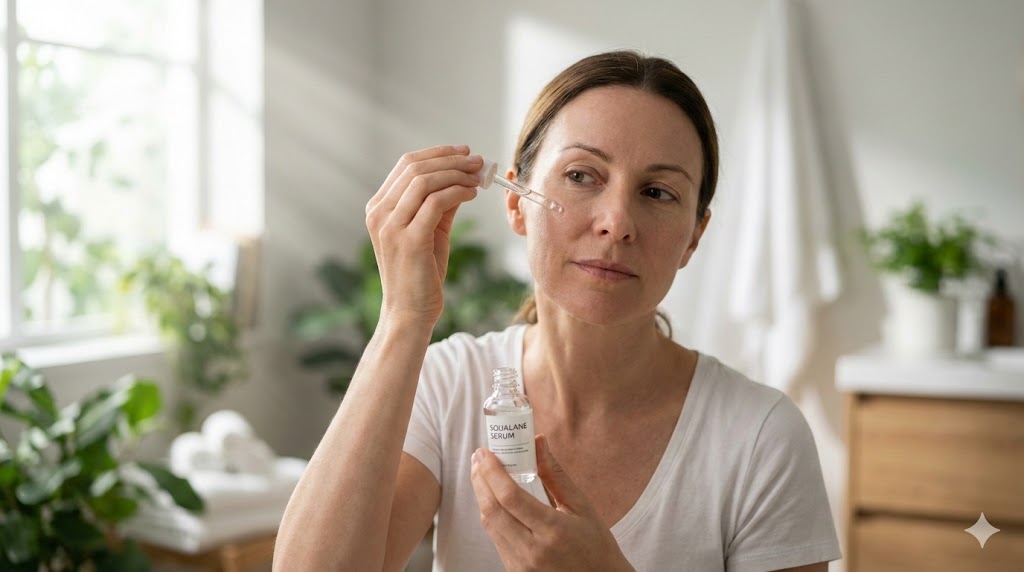
During the adjustment phase, apply squalane after cleansing the skin to maximize its hydrating properties. This step ensures that the skin can absorb the squalane effectively. It acts to seal in moisture, making it particularly beneficial in dry or cold climates.
Monitor skin reactions during this phase. Some individuals may experience initial breakouts as the skin adjusts. This is often temporary. Discontinue use if irritation persists, and consult with a dermatologist for personalized advice.
Long-Term Management
Incorporating squalene and squalane into a long-term health regimen can yield significant benefits. Squalene supplements may enhance overall skin and hair health, while squalane serves as an effective moisturizer.
For sustained benefits, consistency is key. Regular use of squalane can improve skin texture and hydration over time. Users often report a more youthful appearance with continued application.
Stay informed about the latest research on both compounds. New studies may reveal additional benefits or optimal usage guidelines. This ongoing education can help refine your approach to skincare and supplementation.
Biological Impact of Squalane and Squalene
The role of fatty acids in cellular health is critical. Squalene, a natural lipid, is found in high concentrations in the skin. It contributes to maintaining skin hydration and elasticity. Oxidation rates of squalene can impact its effectiveness as a supplement.
Oxidation can lead to the formation of free radicals, which may harm skin cells. Squalane, being a hydrogenated form of squalene, is more stable and less prone to oxidation. This stability allows for better shelf life and efficacy when used in topical applications.
Research supports the benefits of these compounds. A study published by the National Institutes of Health indicates that squalene has antioxidant properties that may protect against skin damage. For further details, visit NIH Office of Dietary Supplements.
Common Mistakes with Squalane and Squalene
Neglecting to differentiate between squalane and squalene is a common error. Many assume they are interchangeable, but their applications differ significantly. Squalene is typically consumed as a supplement, while squalane is used topically. Understanding these distinctions is crucial for maximizing benefits.
Another frequent mistake is improper timing of squalene supplementation. Taking it on an empty stomach may hinder absorption. For optimal results, consume it with a meal that contains fats. This adjustment can enhance its bioavailability.
Failing to monitor skin reactions when using squalane often leads to dissatisfaction. Some individuals may experience irritation or breakouts initially. A gradual introduction allows the skin to acclimate. If problems persist, consider consulting a dermatologist for tailored advice.
Squalane vs Squalene Key Comparisons
| Factor | Observation | Typical Result |
|---|---|---|
| Oxidation Rate | Squalene is more prone to oxidation than squalane. | Less stability, shorter shelf life. |
| Application | Squalene is primarily ingested; squalane is used topically. | Different benefits based on delivery method. |
| Source | Squalene is derived from natural sources like shark liver. | Potential ethical concerns with sourcing. |
Maximizing Results with Squalane and Squalene
Stacking squalene with omega-3 fatty acids can enhance its effectiveness. Omega-3s support skin health and may improve absorption of squalene. This combination can lead to more pronounced benefits for skin hydration and elasticity.
Implementing lifestyle adjustments can also improve outcomes. Staying hydrated and maintaining a balanced diet can enhance the overall effectiveness of both squalene and squalane. Proper skincare routines that include exfoliation can prepare the skin for better absorption of topical products.
Who Should Avoid This?
– Individuals with fish allergies should avoid squalene derived from fish sources. Consuming these supplements may trigger allergic reactions.
– Those on anticoagulant medications should consult a healthcare provider before using squalene. It may interfere with blood clotting mechanisms.
– People with sensitive skin may experience irritation from squalane. A patch test is advisable before full application.
– Pregnant or breastfeeding women should seek medical advice before using either compound. Safety during these periods is not well established.
Final Take
-
- My Honest Assessment: Squalane and squalene have distinct properties that can benefit skin health.
-
- The Smart Play: Consider your specific needs before choosing between the two.
-
- Final Word: Quality matters; always select reputable sources for supplements and skincare products.
Common Questions
What is the primary difference between squalane and squalene?
Squalene is a natural compound found in the skin and certain foods, while squalane is a hydrogenated form that is more stable for topical use.
Can I use squalane on oily skin?
Yes, squalane is lightweight and non-comedogenic, making it suitable for oily skin types.
Is squalene safe for everyone?
Most individuals can safely use squalene, but those with specific allergies should exercise caution.
How often should I apply squalane?
For best results, apply squalane once or twice daily, ideally after cleansing and before moisturizing.
Get Your FREE Ultimate Vitamin Guide!
Join the VitaminProGuide community to receive science-backed supplement reviews, nutritional insights, and absorption tips, delivered straight to your inbox.