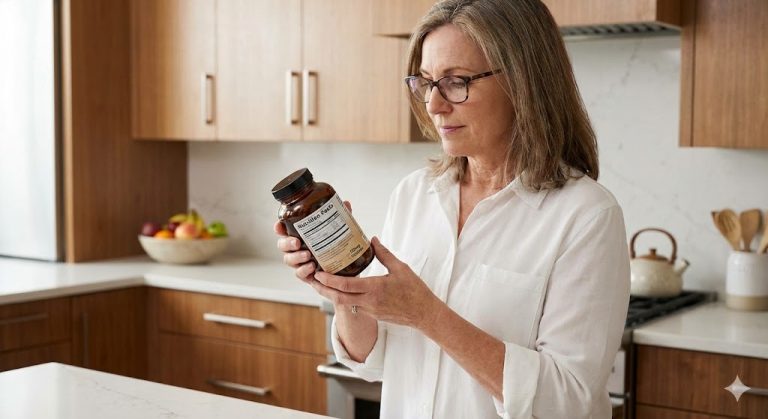
- Safety: Generally safe, but ingredients affecting hormones (like soy) require medical consultation for certain individuals.
- Effectiveness: Success is highly dependent on using clinical-strength, standardized extracts rather than generic herbal powders.
- Key Benefit: Aims to strengthen pelvic floor muscles and calm bladder nerves structurally over time, rather than just masking symptoms.
We have all been there: You buy the bottle, take the pills, and… nothing happens. You are still planning your day around restroom access, worried about coughing, sneezing, or lifting heavy grocery bags. It is incredibly frustrating, leading many to believe that supplements to stop bladder leakage are just snake oil.
The wellness market is flooded with weak products promising a dry future. But separating the clinical science from the marketing hype is tough. You aren’t looking for a placebo; you want a physiological change in how your bladder muscles and nerves function. The difference between a clinically proven extract and a dusty herbal capsule is massive.
I spent the weekend analyzing the meta-data from recent clinical trials on natural bladder supports. The results were eye-opening, revealing a significant canyon between marketing claims and biological reality. We need to move beyond vague wellness promises and look at hard data.
Let’s strip away the fluff and examine the actual mechanisms behind these supplements. We will figure out which ingredients have the potential to strengthen your pelvic floor and calm an overactive bladder, and which ones are just expensive urine.
The Biological Mechanism Explained
Urinary incontinence isn’t just one thing; it is usually a plumbing problem involving muscles, nerves, and hormones. Stress incontinence happens when weak pelvic floor muscles let urine escape during pressure. Urge incontinence (overactive bladder) is when the bladder muscle squeezes too often or without warning.
Effective supplementation needs to address these specific biological failures. According to the National Institute of Diabetes and Digestive and Kidney Diseases, bladder control problems can stem from weak muscles, nerve damage, or hormonal changes like menopause. Standard medications often target nerve signals to “dry” things out, but they frequently come with side effects like severe dry mouth and constipation.
My deep dive into the clinical trials showed that certain natural compounds act differently. Instead of just blocking nerve signals, they aim to strengthen tissues, support collagen production, and modulate hormone receptors. This offers a different pathway to control without the harsh side effect profile of traditional pharmaceuticals.
| Feature | Targeted Clinical Supplements | Generic Herbal Blends |
|---|---|---|
| Ingredient Quality | Standardized extracts with proven bioactive compounds. | Whole herb powders with unknown potency. |
| Primary Goal | Structural support and muscle strengthening over time. | Vague “urinary tract health” support. |
| Dosage Consistency | Precise therapeutic dosing matching clinical trials. | Often under-dosed in “proprietary blends.” |
Strategies That Actually Work
1. Water-Soluble Pumpkin Seed Extract
This is critical: eating handfuls of pumpkin seeds won’t work. You need a specific, clinically studied water-soluble extract (often labeled as EFLA 940). Studies suggest it helps strengthen pelvic floor muscles by inhibiting an enzyme that reduces testosterone levels, which is crucial for maintaining muscle tone in the pelvic region for both men and women.
2. Magnesium Glycinate
Magnesium is essential for proper muscle function, including the detrusor muscle of the bladder. A deficiency can contribute to muscle spasms and that “gotta go right now” feeling of urge incontinence. The glycinate form is highly absorbable and gentle on the stomach, helping to calm twitchy bladder nerves.
3. Soy Isoflavones
For women, declining estrogen levels during menopause thin out the tissues of the urethra and bladder lining. Soy isoflavones act as phytoestrogens, weakly binding to estrogen receptors to help maintain tissue elasticity and health without the risks of synthetic hormone replacement therapy.
4. Vitamin D3
There is a strong and surprising correlation between low vitamin D levels and pelvic floor disorders. Vitamin D receptors are ubiquitous in bladder muscle tissue. Adequate levels are necessary for normal muscle function. Getting your levels tested and supplementing accordingly is a foundational step.
5. Horsetail Extract (Equisetum arvense)
This herb is rich in silicon, a mineral vital for the production and repair of collagen. Stronger collagen means more robust connective tissue in the bladder and urethra, providing better structural support against leaks during physical stress.
6. Crateva Nurvala (Cratevox)
This herb has been used in traditional Ayurvedic medicine for centuries. Modern research indicates it may support bladder tone and assist with complete emptying, reducing the frequency of bathroom trips.
How to Get the Best Results
Consistency is absolutely vital when taking supplements for structural bladder health. Unlike a painkiller that works in an hour, these compounds work to rebuild tissue and rebalance hormones slowly.
You must give any new protocol at least 8 to 12 weeks to fairly evaluate its effectiveness. Connective tissue repair is a slow biological process, so patience is non-negotiable here. Do not stop taking them just because you don’t see a dry day in the first week.
Timing can also be important. Taking magnesium before bed can help calm bladder spasms overnight, potentially reducing nocturia (waking up to pee). Water-soluble pumpkin seed extract should be taken daily without fail to maintain therapeutic levels.
Finally, do not rely on supplements alone. They work best as part of a synergistic plan that includes pelvic floor physical therapy (ensuring you are doing Kegels correctly) and managing lifestyle factors like caffeine intake.
Safety & Precautions
1. Consult Your Doctor First
Before starting any new supplement regimen, especially if you have hormone-sensitive conditions (like certain breast or prostate cancers), talk to your healthcare provider. Ingredients like soy isoflavones may not be suitable for everyone.
Caution: Always clear hormonal support agents with your oncologist or endocrinologist.
2. Watch for Drug Interactions
Some herbs can interact with prescription medications, including blood thinners and diuretics. Ensure your pharmacist reviews your full list of supplements and drugs.
Warning: Natural does not mean neutral; interactions are real.
3. Choose Third-Party Tested Brands
The supplement industry is loosely regulated. Cheap products found online often contain low-quality ingredients or fillers. Look for brands with independent testing from organizations like USP or NSF.
Doctor’s Note: Purity and potency matter immensely for results.
4. Monitor Digestive Tolerance
Some supplements, particularly magnesium if taken in high doses or certain forms like oxide, can cause loose stools. Adjust dosage or switch to magnesium glycinate if this occurs.
Heads Up: Your gut needs to tolerate the remedy for it to work long-term.
5. Check for Allergies
While rare, some people may have allergies to specific ingredients like soy or pumpkin seeds. Start with a lower dose if you are sensitive.
Important: Discontinue immediately if you experience any allergic reaction signs.
5 Common Myths vs. Facts
Myth 1: Leaking is just a normal part of getting older.
Fact: It is common, but it is a treatable dysfunction, not an inevitable consequence of aging. Tissue can be strengthened.
Myth 2: Drinking less water will stop the leaks.
Fact: Dehydration concentrates your urine, making it highly irritating to the bladder lining, which actually increases urgency and frequency.
Myth 3: Cranberry juice cures leakage problems.
Fact: Cranberry is useful for preventing urinary tract infections (UTIs) by stopping bacteria from sticking, but it does nothing for muscle weakness or overactive bladder nerves.
Myth 4: Herbal teas are just as good as pills.
Fact: Teas are too dilute to provide therapeutic dosages of active compounds needed for structural change. Clinical results require standardized extracts.
Myth 5: Supplements replace the need for Kegels.
Fact: Supplements provide the raw materials for tissue health, but physical exercise (Kegels) is still needed to train the muscles. They work best together.
The Bottom Line
Finding effective supplements to stop bladder leakage requires a targeted, clinical-strength approach, not relying on generic grocery store herbal blends.
Based on the research, I believe a combination of clinical-grade, water-soluble Pumpkin Seed Extract and Magnesium Glycinate offers the most robust defense for both stress and urge incontinence. This protocol is specifically for the person tired of relying solely on pads and willing to invest 3 months into long-term tissue health.
The practical gap with DIY remedies is huge. You cannot eat enough pumpkin seeds to get the clinical effect. For real results, pivot to standardized extracts that provide the specific biochemical support your pelvic floor needs.
Get Your FREE Ultimate Vitamin Guide!
Join the VitaminProGuide community to receive science-backed supplement reviews, nutritional insights, and absorption tips, delivered straight to your inbox.