Contents
Choosing the right sunscreen for acne-prone skin can be a daunting task. I have spent considerable time analyzing various options available in the market, particularly focusing on Korean sunscreens, which have gained immense popularity for their formulations. My review highlights key products that not only offer sun protection but also cater to the specific needs of acne-prone skin. The goal is to find sunscreens that are non-comedogenic, lightweight, and effective at preventing breakouts.
Many individuals with acne-prone skin often shy away from using sunscreen due to concerns about clogged pores and excess oil. I understand these concerns, which is why I focused my research on products that are oil-free and contain beneficial ingredients. These formulations should provide adequate sun protection while also soothing the skin and preventing irritation. My analysis includes a variety of textures and finishes, catering to different preferences.
As I evaluated these products, I paid close attention to ingredients known for their acne-fighting properties, such as niacinamide and salicylic acid. These components not only aid in controlling oil production but also help in reducing inflammation. Each product I selected has been scrutinized for its efficacy, texture, and compatibility with sensitive skin. The aim is to present options that are not just effective but also enjoyable to use.
My review is designed to guide readers in making informed choices. It emphasizes the importance of daily sun protection, especially for those with acne-prone skin. The right sunscreen can significantly improve the skin’s health and appearance, making it an essential part of any skincare routine.
The Protocol for Optimal Application
- Apply generously for full protection, typically a nickel-sized amount for the face.
- Reapply every two hours, especially after sweating or swimming.
- Use as the last step in your morning skincare routine.
- Choose formulations labeled as non-comedogenic to avoid clogging pores.
The Morning Routine
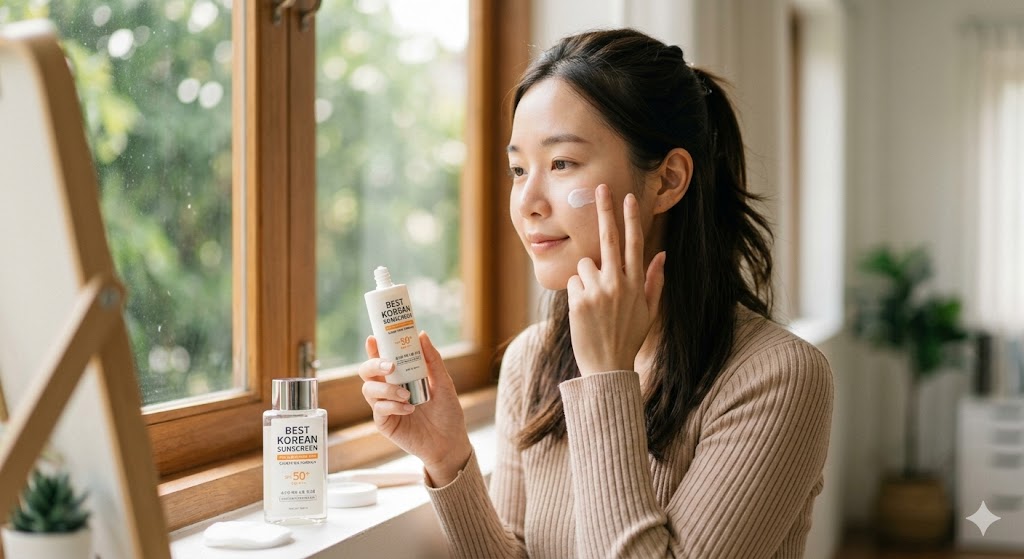
For optimal results, apply sunscreen as the final step in your morning skincare routine. Cleanse your face thoroughly to remove any residual oils or impurities. Follow with any treatments or moisturizers that suit your skin type. After these products have absorbed, it is essential to apply sunscreen to shield your skin from UV damage.
When selecting a sunscreen, consider the texture that best suits your skin. Gel-based sunscreens are often lighter and absorb quickly, making them ideal for oily, acne-prone skin. Creamier formulations may provide more hydration but can feel heavier on the skin. Test different products to see which one feels most comfortable.
Ensure that you apply the sunscreen evenly across your face, including areas often missed, such as the ears and the back of the neck. This ensures maximum protection from harmful UV rays. For those using makeup, allow the sunscreen to settle before applying foundation or other products.
The Reapplication Phase
Reapplication of sunscreen is crucial for maintaining effective sun protection throughout the day. After two hours, or sooner if you have been sweating or swimming, it is necessary to reapply. Many people overlook this step, which can lead to sunburn and skin damage.
Consider using a powder or spray sunscreen designed for reapplication. These products can easily be applied over makeup without disrupting your look. This is particularly beneficial for those with acne-prone skin, as it allows for convenience without adding excess oil or weight.
Even on cloudy days, UV rays can penetrate the clouds and cause skin damage. Make it a habit to reapply sunscreen regularly, regardless of the weather. Consistency is key to protecting your skin and preventing future breakouts.
Long-Term Management
Long-term use of sunscreen can significantly benefit those with acne-prone skin. Regular sun exposure can worsen existing conditions and lead to hyperpigmentation. By incorporating sunscreen into your daily routine, you can protect your skin from these harmful effects.
Over time, you may notice improvements in your skin’s overall texture and tone. Sunscreen can help prevent the darkening of acne scars, making it a vital component of any acne management strategy. Additionally, many modern formulations contain antioxidants that provide additional skin benefits.
Pairing sunscreen with a consistent skincare regimen that includes acne-fighting ingredients can yield optimal results. The combination of sun protection and targeted treatments will help maintain clear skin while preventing future breakouts.
UV Radiation and Its Impact on Skin
UV radiation causes significant damage to skin cells, leading to premature aging and increased risk of skin cancer. The skin’s response to UV exposure can trigger inflammation, which is particularly problematic for individuals with acne-prone skin. This inflammation can exacerbate existing acne and lead to new breakouts.
Research shows that UV exposure can also cause oxidative stress, which can destabilize skin health. A study published by the National Institutes of Health highlights the link between UV exposure and skin inflammation. The study emphasizes the need for effective sun protection, especially for those with sensitive or acne-prone skin. For more information, refer to this NIH resource.
Incorporating a suitable sunscreen into your daily routine can mitigate these damaging effects. By protecting the skin from UV radiation, you can reduce the risk of exacerbating acne and improve overall skin health.
Common Missteps in Sunscreen Application
Neglecting to Apply Sufficient Amounts
Many people underestimate the amount of sunscreen needed for effective protection. Applying too little can lead to inadequate coverage, leaving parts of the skin vulnerable to UV damage. It is essential to use a generous amount to ensure all areas are covered.
Relying Solely on Makeup with SPF
While some makeup products contain SPF, they are often not sufficient for complete sun protection. Relying solely on these products can leave skin exposed. Always layer a dedicated sunscreen underneath makeup for optimal protection.
Skipping Reapplication
One of the most common mistakes is failing to reapply sunscreen throughout the day. This can result in decreased effectiveness and increased risk of sunburn. Set reminders to reapply every two hours to maintain skin protection.
Korean Sunscreen Key Comparisons
| Factor | Observation | Typical Result |
|---|---|---|
| SPF Rating | Most Korean sunscreens offer SPF 50 or higher | High level of UV protection |
| Texture | Gel-based and lightweight options are prevalent | Non-greasy feel, suitable for oily skin |
| Ingredients | Many include beneficial components like niacinamide | Soothing effect on acne-prone skin |
Enhancing Effectiveness Through Lifestyle Adjustments
Incorporating sunscreen into a daily routine is vital, but making additional lifestyle adjustments can enhance overall skin health. Maintaining a balanced diet rich in antioxidants can support skin repair and resilience. Foods high in vitamins C and E can help combat oxidative stress and improve skin texture.
Staying hydrated is equally important. Drinking plenty of water helps maintain skin elasticity and can assist in reducing the likelihood of breakouts. Combining these lifestyle practices with regular sunscreen application creates a comprehensive approach to skincare.
Who Should Avoid This?
- Individuals with known allergies to specific chemical filters should avoid sunscreens containing these ingredients. Allergic reactions can lead to irritation and exacerbate acne.
- People with extremely oily skin may want to steer clear of heavy cream-based formulations. These can clog pores and lead to breakouts.
- Those undergoing certain medical treatments, such as isotretinoin, should consult a healthcare provider before using any new skincare products. Increased sensitivity can occur during such treatments.
Final Take
- My Honest Assessment: Korean sunscreens are absolutely worth the hype for acne-prone skin.
- The Smart Play: Choose a lightweight, non-comedogenic formula and apply generously.
- Final Word: Daily sun protection is non-negotiable for maintaining healthy skin.
Common Questions
What is the best sunscreen for acne-prone skin?
The best sunscreen for acne-prone skin is one that is labeled non-comedogenic, oil-free, and lightweight. Gel-based formulations are often ideal.
How often should I reapply sunscreen?
Sunscreen should be reapplied every two hours, especially after sweating or swimming, to ensure effective protection.
Can I use sunscreen if I have active acne?
Yes, using sunscreen is crucial even with active acne. Look for formulations that soothe the skin and do not clog pores.
Is it necessary to wear sunscreen indoors?
While UV exposure is less intense indoors, it is still advisable to wear sunscreen to protect against incidental exposure from windows and artificial lighting.
Get Your FREE Ultimate Vitamin Guide!
Join the VitaminProGuide community to receive science-backed supplement reviews, nutritional insights, and absorption tips, delivered straight to your inbox.