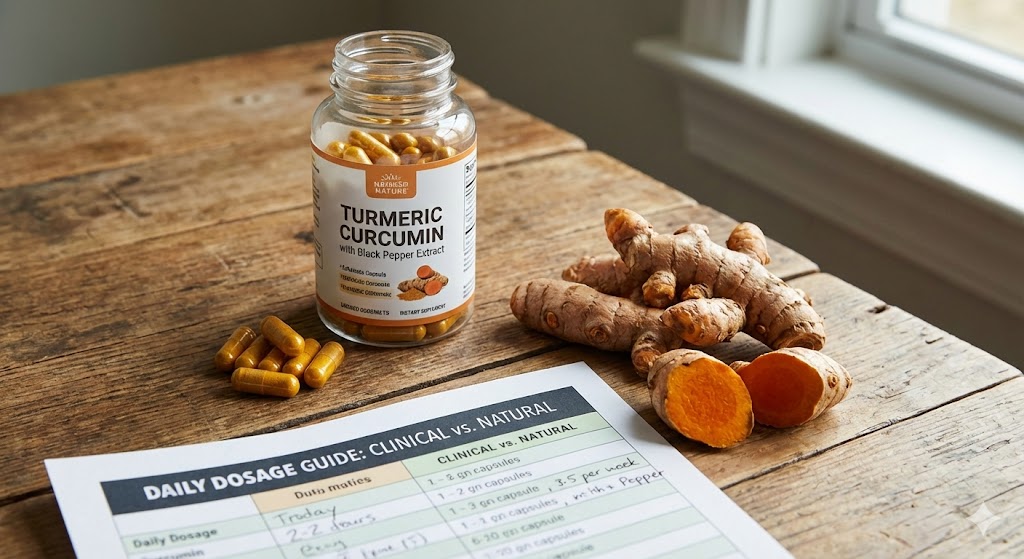
Turmeric curcumin dosage tips for easing arthritis pain
Research indicates that turmeric curcumin can significantly alleviate arthritis symptoms. However, the dosage varies depending on individual needs and specific conditions. My findings suggest that effective doses typically range from 500 mg to 2,000 mg of curcumin per day. This wide range can be confusing, but understanding the factors that influence dosage is crucial for maximizing benefits.
Additionally, the form of turmeric used can affect its efficacy. Standard turmeric powder has lower bioavailability compared to supplements that isolate curcumin. I recommend looking for formulations that include black pepper extract, known as piperine, which enhances absorption. This factor is key in achieving the desired results.
Overall, I urge individuals to consult healthcare professionals before starting any supplement regimen. This ensures that the chosen dosage aligns with personal health needs and existing conditions. My review emphasizes the importance of informed decision-making in using turmeric curcumin for arthritis pain relief.
Turmeric Curcumin Usage and Dosage Insights
- Dosage/Timing: Start with 500 mg of curcumin per day, gradually increasing if needed.
- Function/Timeline: Incorporate black pepper extract to enhance absorption.
- Dosage/Timing: Split doses throughout the day for better effects on inflammation.
- Function/Timeline: Monitor symptoms closely to adjust dosage as necessary.
Morning Routine
Taking turmeric curcumin in the morning can set a positive tone for the day. Starting with a dose of 500 mg provides an initial boost to combat inflammation. Consuming it with food increases absorption, especially when paired with healthy fats. This practice may help reduce morning stiffness associated with arthritis.
Including turmeric in your breakfast routine can be beneficial. Adding it to smoothies, oatmeal, or warm beverages enhances flavor while promoting health. Many individuals report a noticeable reduction in pain when starting their day with this anti-inflammatory ingredient.
Consistency is key when using turmeric curcumin. Establishing a morning routine helps in forming a habit. Regular intake can lead to cumulative benefits over time, offering more significant relief from arthritis symptoms.
Afternoon Adjustment
Taking a second dose in the afternoon can be particularly effective for those with chronic pain. This timing allows the body to maintain steady levels of curcumin throughout the day. For those experiencing increased discomfort, a 500 mg dose can provide relief during peak symptom times.
Pairing the supplement with a light meal can enhance its effectiveness. The presence of fats aids in absorption, maximizing the benefits. Individuals should consider their daily activities and adjust the timing accordingly.
Monitoring how the body responds to this afternoon dose is essential. Some may find that this timing alleviates discomfort from daily activities. Adjusting the dosage based on personal experiences can optimize results.
Evening Wind Down
Taking turmeric curcumin in the evening can support overnight recovery. A dose of 500 mg before bed may help reduce inflammation and pain, leading to a more restful sleep. This practice can be especially beneficial for those who experience discomfort at night.
Incorporating turmeric into dinner can also be a delicious option. It can be added to soups, stews, or stir-fries, providing both flavor and health benefits. This approach encourages a seamless integration into daily meals.
Tracking the impact of the evening dose is advisable. Individuals may find that their sleep quality improves as symptoms decrease. Adjusting the dosage based on this feedback can lead to optimal nighttime relief.
Inflammation Response
The bioactive compound curcumin demonstrates significant anti-inflammatory properties. It interacts with various cellular processes, helping to regulate inflammation levels in the body. This response is particularly beneficial for individuals suffering from arthritis, where inflammation plays a central role in pain and stiffness.
Research supports the effectiveness of curcumin in managing arthritis symptoms. A study published by the National Institutes of Health highlights curcumin’s ability to reduce inflammation markers in individuals with osteoarthritis. The findings suggest that curcumin can be as effective as some conventional medications, without the associated side effects. More information can be found at NIH.
Understanding how curcumin affects inflammation can empower individuals to make informed choices. By incorporating this natural remedy into their regimen, they may experience relief from arthritis symptoms. This biological response is a key factor in the growing popularity of turmeric curcumin as a supplement.
Common Pitfalls in Turmeric Use
Many individuals make mistakes when incorporating turmeric curcumin into their routines. A common error is not taking it with food, which can significantly reduce its absorption. Consuming turmeric with healthy fats or black pepper can enhance its bioavailability, ensuring that the body receives its full benefits.
Another mistake involves ignoring dosage recommendations. Some people may assume that taking more will yield better results. However, exceeding the recommended dosage can lead to gastrointestinal discomfort and other side effects. It is crucial to start with a lower dose and adjust based on personal tolerance.
Finally, relying solely on turmeric without lifestyle changes may limit its effectiveness. Incorporating other anti-inflammatory practices, such as regular exercise and a balanced diet, is essential for comprehensive management of arthritis symptoms. Addressing these common pitfalls can help individuals maximize the benefits of turmeric curcumin.
Turmeric Curcumin Key Comparisons
| Factor | Observation | Typical Result |
|---|---|---|
| Standard Turmeric Powder | Lower curcumin concentration | Reduced effectiveness for pain relief |
| Curcumin Extract | Higher bioavailability with added piperine | More significant reduction in inflammation |
Maximizing Turmeric Curcumin Effectiveness
Stacking turmeric curcumin with other anti-inflammatory supplements can enhance overall efficacy. Consider adding omega-3 fatty acids or ginger, known for their complementary effects. This combination may provide a broader spectrum of relief from arthritis symptoms.
Additionally, focusing on bioavailability is critical. Using supplements that include black pepper extract can significantly improve absorption. This simple adjustment can transform how effectively turmeric curcumin works in the body, leading to more noticeable results.
Who Should Avoid This?
- Individuals on Blood Thinners: Turmeric can affect blood clotting, increasing the risk of bleeding.
- Pregnant or Nursing Women: High doses of turmeric may not be safe during pregnancy or lactation.
- Gallbladder Issues: Turmeric may exacerbate symptoms in those with gallbladder disorders.
Final Take
- My Honest Assessment: Turmeric curcumin is indeed worth exploring for arthritis pain relief.
- The Smart Play: Start with a moderate dose and consult a healthcare professional for personalized advice.
- Final Word: Incorporating turmeric curcumin into a broader health strategy can yield significant benefits.
Common Questions
What is the best form of turmeric for arthritis?
Curcumin supplements with added black pepper extract are often the most effective due to enhanced absorption.
How long does it take to feel the effects of turmeric curcumin?
Many individuals report noticeable relief within a few weeks, although results can vary based on dosage and individual response.
Can turmeric curcumin interact with medications?
Yes, turmeric can interact with blood thinners and certain medications, so consulting a healthcare provider is essential before starting.
Is turmeric safe for long-term use?
Generally, turmeric is considered safe for long-term use, but monitoring for any side effects is crucial.
Get Your FREE Ultimate Vitamin Guide!
Join the VitaminProGuide community to receive science-backed supplement reviews, nutritional insights, and absorption tips, delivered straight to your inbox.