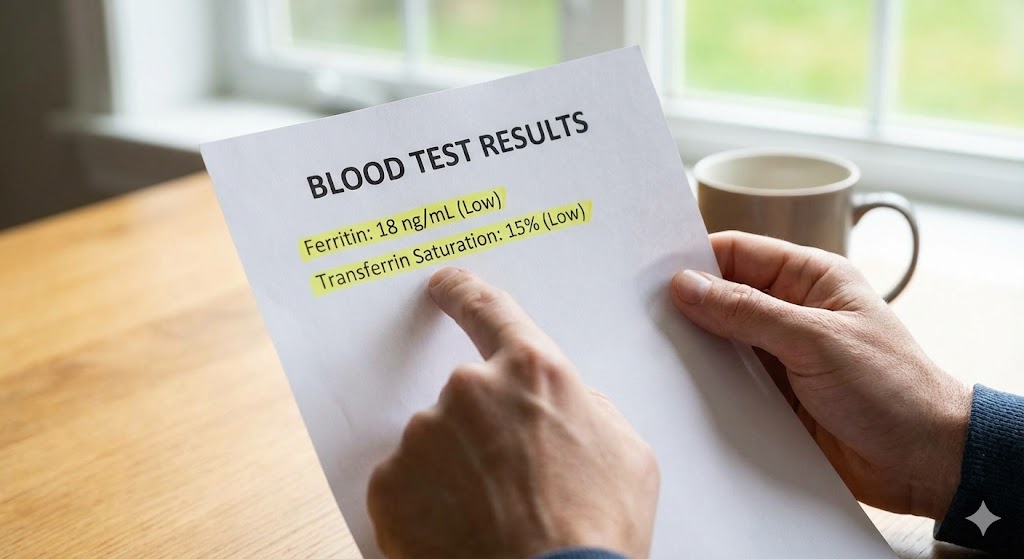
My review of ferritin and transferrin saturation reveals significant insights into iron metabolism and its implications for health. Ferritin serves as the primary storage form of iron in the body. Transferrin, on the other hand, transports iron in the bloodstream. Understanding these two proteins is crucial for diagnosing and managing iron-related disorders.
Evaluating ferritin levels can indicate iron storage capacity. Low ferritin levels often signify iron deficiency, while elevated levels may suggest chronic inflammation or liver disease. Transferrin saturation provides insight into how much iron is being transported. Both metrics are essential for a comprehensive view of a person’s iron status.
My analysis emphasizes the importance of contextualizing ferritin and transferrin saturation results. A high ferritin level may not always correlate with iron overload. Inflammatory states can elevate ferritin levels while masking true iron deficiency. It is vital to consider the entire clinical picture, including symptoms and other laboratory findings.
Through my review, I found that a thorough understanding of ferritin and transferrin saturation can enhance health outcomes. These tests guide treatment decisions, such as iron supplementation or further investigation into underlying conditions. Ultimately, accurate interpretation leads to better management of iron metabolism.
Core Differences in Ferritin and Transferrin Saturation
- Ferritin Measurement: Blood tests typically measure ferritin levels to assess iron stores. Normal ranges vary by age and gender.
- Transferrin Saturation: Calculated using serum iron and total iron-binding capacity. This value indicates iron transport efficiency.
- Supplement Timing: Iron supplements are often recommended in the morning for better absorption. Avoid taking with calcium or caffeine.
- Monitoring Levels: Regular testing is crucial for those with known iron disorders. This ensures effective management and adjustment of treatments.
Understanding Ferritin
Ferritin is a protein complex that stores iron within cells. It releases iron in a controlled manner, making it available when needed. Measuring ferritin levels in blood tests provides vital information regarding iron stores in the body. Low ferritin levels often indicate iron deficiency, which can lead to anemia and fatigue.
Ferritin levels can fluctuate based on various factors. Inflammatory conditions, liver disease, and infections can elevate ferritin levels, potentially misrepresenting true iron status. This necessitates careful interpretation of results in conjunction with clinical symptoms and other laboratory tests. A nuanced approach is essential for accurate diagnosis.
For individuals at risk of iron deficiency, monitoring ferritin levels is critical. Regular testing can help detect changes early, allowing for timely intervention. This proactive approach may prevent the development of more severe iron-related disorders.
Exploring Transferrin Saturation
Transferrin is a glycoprotein responsible for transporting iron in the bloodstream. It binds to iron ions and delivers them to various tissues. The transferrin saturation percentage indicates how much of the transferrin is occupied with iron. A low transferrin saturation often points to iron deficiency.
Measuring transferrin saturation provides additional context to ferritin levels. Elevated transferrin saturation may suggest iron overload, which can occur in conditions like hemochromatosis. This highlights the need for a comprehensive evaluation of iron metabolism, as both low and high levels can indicate serious health issues.
Regular monitoring of transferrin saturation can guide treatment decisions. For individuals receiving iron supplementation, adjusting dosages based on transferrin saturation levels can optimize therapeutic effectiveness. Understanding this dynamic aids in achieving balance in iron levels.
Clinical Applications
Clinical applications of ferritin and transferrin saturation testing extend to various medical conditions. For patients with chronic diseases, testing these parameters can aid in identifying anemia. Proper diagnosis leads to appropriate treatment plans tailored to individual needs.
In pregnant women, monitoring ferritin and transferrin saturation is vital. Iron requirements increase during pregnancy, and deficiencies can pose risks to both mother and child. Timely testing allows for early intervention, ensuring optimal health outcomes.
For athletes, understanding iron levels can enhance performance. Low ferritin levels may impair endurance and recovery. Regular testing can help athletes maintain adequate iron stores, supporting their training regimens.
Biological Implications of Ferritin and Transferrin Saturation
Iron homeostasis is crucial for numerous physiological processes. Ferritin and transferrin saturation play significant roles in maintaining iron balance. Disruptions in these levels can lead to various health complications, including anemia and organ dysfunction.
Clinical studies have shown a strong correlation between low ferritin levels and anemia. A review of research indicates that early detection and treatment of iron deficiency can improve overall health. Regular monitoring of ferritin and transferrin saturation can prevent adverse outcomes associated with iron dysregulation. For further reading, refer to the National Institutes of Health.
Understanding the biological implications of ferritin and transferrin saturation can guide clinical practice. By focusing on these parameters, healthcare providers can tailor interventions that enhance patient outcomes. A proactive approach to iron management can mitigate risks associated with both deficiency and overload.
Common Errors in Managing Iron Levels
Misinterpretation of ferritin and transferrin saturation results is a frequent error. Relying solely on one metric can lead to inadequate assessments. A comprehensive approach that considers both results is essential for accurate diagnosis and treatment.
Another common mistake involves neglecting the impact of inflammation on ferritin levels. Elevated ferritin due to inflammation can mask underlying iron deficiency. This highlights the importance of contextualizing results alongside clinical symptoms and other tests.
Lastly, improper timing of iron supplements can hinder absorption. Taking iron with calcium-rich foods or beverages can significantly reduce its effectiveness. Educating patients on optimal timing and dietary considerations is crucial for maximizing iron supplementation benefits.
Ferritin and Transferrin Saturation Key Comparisons
| Factor | Observation | Typical Result |
|---|---|---|
| Ferritin Levels | Indicates iron storage capacity | Low in iron deficiency, high in inflammation |
| Transferrin Saturation | Reflects iron transport efficiency | Low in deficiency, high in overload |
| Clinical Relevance | Guides treatment decisions | Essential for managing iron-related disorders |
Enhancing Iron Management
Stacking iron supplements with vitamin C can significantly enhance absorption. Vitamin C increases the solubility of iron, making it more available for uptake in the intestines. This combination can be particularly beneficial for individuals with low ferritin levels seeking to improve their iron status.
Additionally, making lifestyle adjustments can facilitate better iron management. Incorporating iron-rich foods into the diet, such as red meat, beans, and leafy greens, can support overall iron levels. Regular exercise and maintaining a healthy weight also contribute to improved iron metabolism.
Who Should Avoid This?
- Individuals with Hemochromatosis: Increased iron absorption can exacerbate this genetic disorder. Regular monitoring is essential.
- Patients with Chronic Liver Disease: Elevated ferritin levels may indicate liver dysfunction. Close monitoring is crucial to avoid complications.
- Those on Certain Medications: Some drugs can interact with iron absorption. Consult a healthcare provider before starting supplements.
Final Take
- My Honest Assessment: Ferritin and transferrin saturation testing is essential for managing iron health.
- The Smart Play: Regular testing and a balanced diet can optimize iron levels and prevent complications.
- Final Word: Prioritize understanding your iron status for better overall health.
Common Questions
What is the normal range for ferritin levels?
Normal ferritin levels typically range from 30 to 300 ng/mL for men and 15 to 150 ng/mL for women. Individual results may vary based on age and health status.
How is transferrin saturation calculated?
Transferrin saturation is calculated by dividing serum iron levels by total iron-binding capacity (TIBC) and multiplying by 100. This percentage indicates how much transferrin is occupied with iron.
Can ferritin levels be elevated without iron overload?
Yes, ferritin levels can be elevated due to inflammation or liver disease. This can mask true iron deficiency, making it essential to consider clinical context.
What are the symptoms of iron deficiency?
Symptoms of iron deficiency may include fatigue, weakness, pale skin, and shortness of breath. Severe deficiency can lead to anemia, which requires prompt medical attention.
Get Your FREE Ultimate Vitamin Guide!
Join the VitaminProGuide community to receive science-backed supplement reviews, nutritional insights, and absorption tips, delivered straight to your inbox.