Physical Address
304 North Cardinal St.
Dorchester Center, MA 02124
Physical Address
304 North Cardinal St.
Dorchester Center, MA 02124
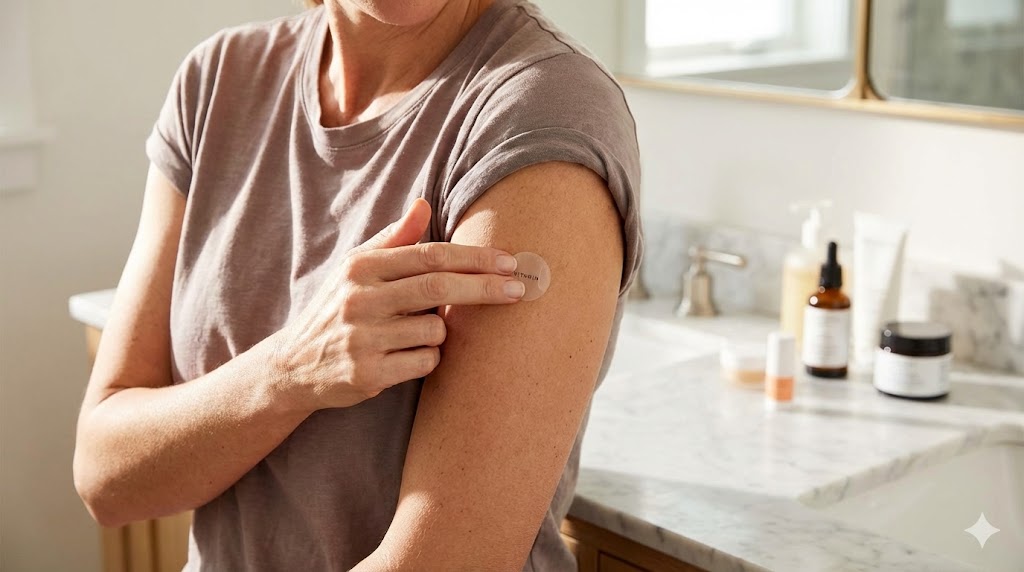
The rise of vitamin patches transdermal delivery systems has sparked interest among those seeking alternatives to traditional oral supplementation. These adhesive products are designed to release micronutrients through the skin, theoretically bypassing the digestive system to enter the bloodstream directly. As interest in non-oral methods grows, it is essential to examine the physiological realities of how these systems interact with human skin.
The human skin acts as a highly effective barrier, specifically evolved to keep foreign substances out rather than letting them in. While certain small, lipophilic molecules can penetrate the stratum corneum, the outermost layer of the epidermis, larger or water-soluble vitamins face significant challenges in achieving systemic absorption. Understanding these limitations is key to managing expectations regarding how these products function in a real-world setting.
Current evidence suggests that while some substances can cross the skin barrier, the efficiency of vitamin patches transdermal delivery remains highly variable depending on the specific nutrient and the formulation of the patch. These products are not a replacement for a nutrient-dense diet, and their ability to maintain stable blood levels is still a subject of ongoing investigation in the clinical literature.
Regarding vitamin patches transdermal applications, the skin’s primary role as a protective barrier often limits the systemic uptake of complex, water-soluble micronutrients.
To understand how these patches function, one must look at the biological requirements for nutrient absorption. The skin is composed of several layers, with the stratum corneum serving as the primary gatekeeper. For a substance to reach the capillaries, it must be small enough and sufficiently fat-soluble to navigate the narrow spaces between skin cells or pass through the cells themselves.
Most vitamins are not naturally optimized for this route. While some fat-soluble compounds may show potential for dermal penetration, water-soluble vitamins often struggle to move through the lipid-heavy environment of the skin. This creates a significant hurdle for manufacturers attempting to deliver consistent, therapeutic amounts of nutrients through an adhesive strip.
The primary challenge for any transdermal system is the physical density of the skin. To improve delivery, some formulations use chemical enhancers that temporarily disrupt the lipid structure of the skin, which can help certain molecules pass through more easily. This process, while effective for some pharmaceutical applications, is complex to replicate for a wide range of vitamins.
When these enhancers work as intended, they may allow for a more consistent, slow-release profile compared to the rapid spike and drop often seen with oral capsules. This can be beneficial for individuals who prefer a steady, low-level supply of a specific nutrient throughout the day rather than a single, concentrated dose.
However, the trade-off is the potential for local skin irritation. If the barrier is disrupted too aggressively, it can lead to redness or sensitivity, which may interfere with the user’s ability to wear the patch for the recommended duration. Balancing effective penetration with skin health is a constant challenge in the development of these products.
When evaluating how different methods impact nutrient status, it is helpful to look at the differences between traditional oral intake and newer, non-oral approaches. The following table outlines the general characteristics of these two methods.
| Feature | Oral Supplementation | Transdermal Patches |
|---|---|---|
| Absorption Site | Gastrointestinal Tract | Stratum Corneum (Skin) |
| Primary Barrier | Stomach Acid/Enzymes | Lipid-rich Skin Barrier |
| Release Profile | Usually rapid or timed-release | Slow, passive diffusion |
Bioavailability refers to the proportion of a nutrient that actually enters the circulation and becomes available for use by the body. In the context of oral intake, the liver processes nutrients before they reach the rest of the body, a process known as first-pass metabolism. This is a natural, highly efficient system that the body has used for millennia to process food.
Transdermal systems attempt to bypass this process entirely. By entering the bloodstream directly through the skin, the nutrients avoid the liver’s initial processing. While this sounds advantageous, it also means the body does not have the same opportunity to regulate the influx of nutrients as it does when they are absorbed through the gut.
For most people, the most reliable way to maintain healthy nutrient levels is through a diet rich in whole foods. Vegetables, fruits, proteins, and healthy fats provide nutrients in their natural, complex forms, which are often more easily recognized and utilized by the body than isolated compounds delivered through a patch.
The scientific literature regarding the long-term efficacy of vitamin patches is still evolving. While there is extensive data on transdermal drug delivery for specific medications, the application of this technology to general vitamin supplementation is less robust. Many of the studies currently available are limited in scope or focus on specific, highly controlled conditions.
It is important to distinguish between what is theoretically possible and what has been proven in large-scale, peer-reviewed trials. Just because a substance can be detected in the blood after patch application does not necessarily mean it is being delivered in amounts sufficient to influence metabolic health or address a deficiency.
Furthermore, the complexity of human skin physiology means that results can vary wildly from one person to another. Factors such as age, skin temperature, and even the location of the patch on the body can influence how much of the nutrient is actually absorbed, making it difficult to predict the outcome for any individual user.
When considering these products, it is helpful to view them as a secondary option rather than a primary solution. If an individual is struggling with low energy or other symptoms, the first step should always be to evaluate their overall dietary patterns and lifestyle habits. Ensuring adequate sleep, hydration, and a diverse intake of whole foods often provides a more stable foundation for health.
If a patch is used, it should be monitored for any signs of skin reaction. If the skin becomes irritated, it is a clear signal that the product may not be suitable for that specific individual’s skin type. Consistency is often touted as a benefit of patches, but this only matters if the nutrient is actually reaching the target tissues in a meaningful way.
Ultimately, the most effective way to support health is through a holistic approach. Supplements, whether oral or transdermal, are designed to fill small gaps in an otherwise solid foundation. They are not intended to compensate for a lack of foundational health practices, and their efficacy is always dependent on the body’s ability to process and utilize the provided nutrients.
Current evidence suggests that oral supplements are generally more reliable for systemic absorption, as the digestive system is specifically evolved to process and transport nutrients into the bloodstream.
While many individuals tolerate them well, those with sensitive skin or specific dermatological conditions may experience irritation. It is important to monitor the application site for any adverse reactions.
Yes, transdermal delivery allows nutrients to enter the bloodstream directly, bypassing the initial first-pass metabolism that occurs when nutrients are absorbed through the gastrointestinal tract.
While vitamin patches offer a novel approach to supplementation, the skin’s natural role as a protective barrier makes consistent systemic absorption difficult for many nutrients. Relying on a nutrient-dense diet remains the most evidence-based strategy for maintaining optimal health.
This information is for educational purposes only and does not constitute medical advice. Individuals who are pregnant, breastfeeding, managing a medical condition, or taking prescription medication should consult with a qualified clinician before adding any new supplement to their routine.
To determine if a specific supplement is appropriate for your needs, consider tracking your dietary intake for one week and discussing the results with a healthcare professional to identify any genuine gaps in your nutrition.
Get Your FREE Ultimate Vitamin Guide!
Join the VitaminProGuide community to receive science-backed supplement reviews, nutritional insights, and absorption tips, delivered straight to your inbox.
Vitaminproguide.com is reader-supported. When you buy through links on our site, we may earn an affiliate commission at no extra cost to you. As an Amazon Associate, we earn from qualifying purchases. Read our full disclosure.