Physical Address
304 North Cardinal St.
Dorchester Center, MA 02124
Physical Address
304 North Cardinal St.
Dorchester Center, MA 02124
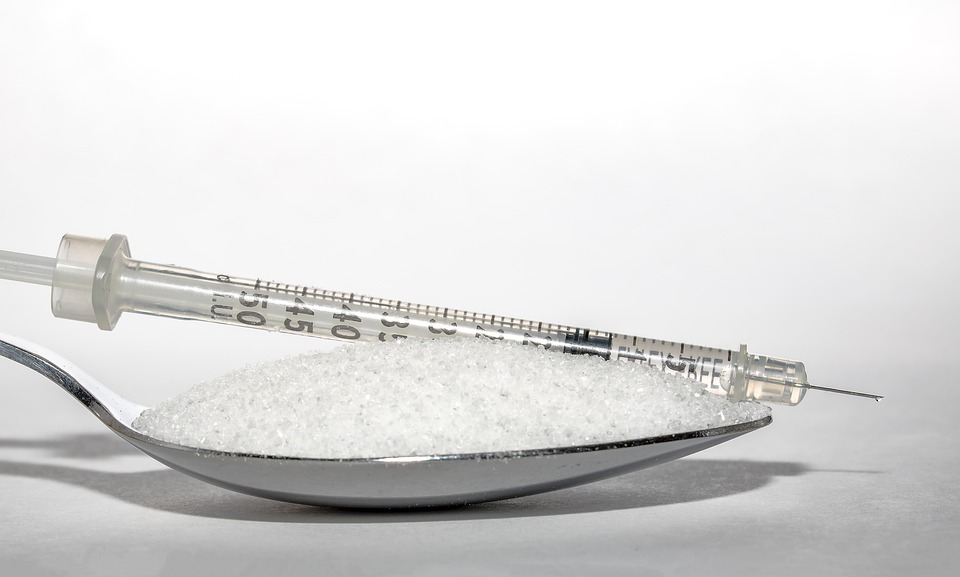
Determining how does insulin resistance cause pcos involves a close look at how systemic fuel regulation disrupts the endocrine system. The physiological link between glucose management and ovarian function is rooted in specific feedback loops that govern hormone production. When the cells stop responding effectively to insulin, the body attempts to compensate by pushing out even more of this hormone, which triggers a cascade of downstream effects.
Insulin functions as more than just a gatekeeper for energy storage; it also acts as a potent signaling molecule that interacts with the ovaries. When circulating levels stay consistently high due to poor cellular uptake, these signals are amplified in ways the body did not intend. This process serves as the primary bridge between metabolic health and reproductive hormone output.
Insulin resistance initiates a chain reaction that forces the ovaries to overproduce androgens like testosterone. This shift in hormonal balance prevents the maturation of follicles and interferes with regular ovulation patterns. By addressing cellular sensitivity to insulin, the body often regains the ability to signal the ovaries more precisely, which supports better regularity in the menstrual cycle.
The ovaries contain insulin receptors that, under standard conditions, help maintain healthy cell growth. When insulin resistance occurs, the body enters a state of hyperinsulinemia, meaning the pancreas works overtime to move glucose into the tissues. These high levels of insulin bind to receptors in the theca cells of the ovaries, essentially overriding the standard signals that regulate how the body manages sex hormones.
This biochemical override forces the theca cells to boost their androgen production significantly. Testosterone levels rise as a result of this constant stimulation, which inhibits the maturation of ovarian follicles. Because these follicles fail to reach their full potential, the process of ovulation becomes inconsistent or stalls entirely, leading to the symptoms many individuals identify as a hallmark of this condition.
Reduced sex hormone-binding globulin (SHBG) is another critical piece of this mechanism. The liver, which is also sensitive to the high levels of insulin circulating in the blood, downregulates its production of this binding protein. With less SHBG available to “mop up” free testosterone, more active androgen circulates throughout the body. This state causes skin changes or unwanted hair growth as these hormones bind to androgen receptors in other tissues.
The brain communicates with the ovaries through a delicate feedback system known as the hypothalamic-pituitary-ovarian axis. When metabolic signals are disrupted by insulin resistance, this axis receives distorted information. The constant presence of excess insulin alters the pulse frequency of gonadotropin-releasing hormone, which disrupts the balance between luteinizing hormone and follicle-stimulating hormone.
An imbalance here, characterized by an abnormally high ratio of luteinizing hormone, reinforces the tendency of the ovaries to prioritize androgen production over the development of eggs. This results in the formation of small, immature follicles that do not progress through the normal cycle. The physical result of this is often a lack of monthly ovulation, which manifests as irregular or missing cycles.
Managing this loop requires a focus on stabilizing the metabolic environment so that the signal sent from the brain can be read clearly by the ovaries again. Incorporating Thorne Myo-Inositol may provide the structural support needed for healthy insulin signaling within the cells. This helps the pituitary gland maintain a more standard hormone pulse, which fosters more predictable physiological rhythms.
Chronic insulin resistance often triggers a state of low-grade, persistent systemic inflammation. This is not the acute inflammation one feels from an injury, but rather an ongoing biochemical strain where the body struggles to keep up with metabolic demand. Research provided by the National Institutes of Health suggests that this inflammatory state further sensitizes the ovaries to the negative effects of insulin.
Inflammatory cytokines can further impair how insulin receptors function on the cell surface, creating a feed-forward loop. As cells become even more resistant, inflammation increases, and the ovaries receive even more intense stimulation to produce androgens. This can feel like a persistent wall, making it difficult to maintain energy levels throughout the day or manage body composition.
To support the body during this state, many turn to supplements that manage systemic inflammation, such as Nordic Naturals Omega-3. These fatty acids help maintain healthy cell membrane fluidity, which is essential for proper receptor function. When cell membranes are more flexible, it becomes easier for the body to manage insulin signaling and lower the inflammatory load on the system.
Dietary patterns play a significant role in how the body processes carbohydrates and manages insulin secretion. Focusing on foods with a lower glycemic index helps prevent the rapid spikes in blood glucose that force the pancreas to release large amounts of insulin. Steady glucose levels prevent the “crash and spike” cycle that contributes to long-term insulin resistance.
Fiber acts as a buffer in the digestive tract, slowing the rate at which glucose enters the bloodstream. Including diverse sources of soluble fiber can change how the body feels after a meal, often leading to more stable energy throughout the afternoon. Consistency in meal timing also provides the endocrine system with the predictability it needs to function correctly.
Adding targeted micronutrients can further assist this process. For example, Thorne Magnesium Glycinate plays a vital role in glucose metabolism by acting as a cofactor for several enzymes involved in energy production. When cells have adequate magnesium, they often manage insulin sensitivity with greater ease, providing the body with a more reliable way to maintain homeostasis.
| Nutrient Form | Primary Function | Target Outcome |
|---|---|---|
| myo-inositol | Insulin signal transduction | Improved follicular health |
| magnesium glycinate | Glucose metabolism support | Reduced cellular insulin strain |
Weight loss can improve insulin sensitivity, which helps lower androgen production, but it is not the only factor. Focusing on nutrient quality, consistent movement, and metabolic support often provides a more comprehensive approach to restoring balance than focusing on weight alone.
Supplements are tools that assist the body’s natural processes rather than replacements for overall metabolic health. While they can help manage the signaling pathways, they work best when combined with dietary habits and lifestyle patterns that promote long-term cellular health.
Changes in insulin levels and their downstream effects on the ovaries are dynamic. Because the follicles take several months to mature, improvements in insulin sensitivity usually require a sustained effort over time to see shifts in cycle regularity and hormone balance.
Insulin resistance drives a systemic shift that causes the ovaries to overproduce androgens, disrupting the normal signals needed for ovulation. By prioritizing consistent blood glucose management and supporting cell-level sensitivity, the body can often recalibrate its endocrine environment. This restores the balance required for healthier cycles and improved metabolic function.
This information is for educational purposes only and does not constitute medical advice or a diagnosis. Please consult with a qualified professional before beginning any new supplement regimen or changing your health management routine to ensure it is appropriate for your individual biology.
Start by reviewing your daily carbohydrate intake and ensuring it is paired with sufficient protein and fiber to maintain steady energy. Incorporating a consistent approach to movement can also significantly improve how your cells respond to insulin over the coming months.
Get Your FREE Ultimate Vitamin Guide!
Join the VitaminProGuide community to receive science-backed supplement reviews, nutritional insights, and absorption tips, delivered straight to your inbox.
Vitaminproguide.com is reader-supported. When you buy through links on our site, we may earn an affiliate commission at no extra cost to you. As an Amazon Associate, we earn from qualifying purchases. Read our full disclosure.