Effective Methods to Soothe Keratosis Pilaris on Arms
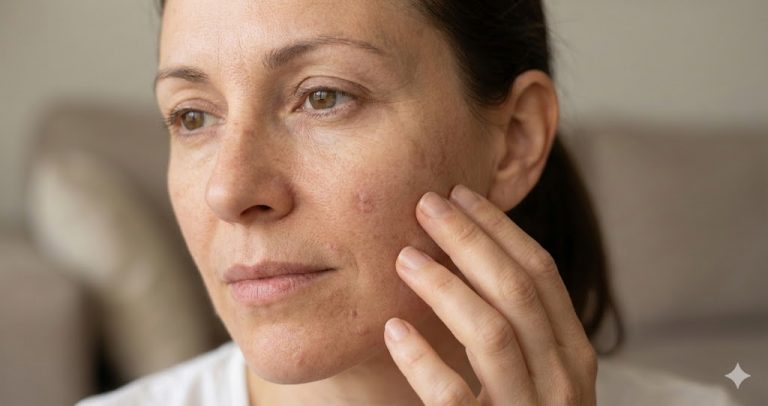
My review of keratosis pilaris led me to explore various methods for alleviating this common skin condition. This condition manifests as small, rough bumps on the skin, primarily on the arms. It can be frustrating, especially when aiming for smooth skin. I focused on data-driven solutions that can genuinely make a difference.
Several treatments exist, ranging from topical creams to lifestyle adjustments. Each method varies in effectiveness based on individual skin types and severity of the condition. I found that consistency is key in achieving noticeable results.
Additionally, understanding the underlying causes of keratosis pilaris can guide effective treatment choices. The condition results from the buildup of keratin around hair follicles, leading to blocked pores. This insight directed my research towards remedies that help exfoliate and moisturize the skin.
My exploration revealed seven potent ways to soothe keratosis pilaris on arms. These methods not only address the symptoms but also promote overall skin health.
Essential Protocols for Relief
- Use exfoliating creams containing alpha-hydroxy acids (AHAs) twice a week to remove dead skin cells.
- Apply a moisturizing lotion daily to maintain skin hydration and prevent dryness.
- Consider taking omega-3 supplements daily for skin health; aim for 1,000 mg.
- Use a humidifier at home, especially in dry seasons, to keep skin moist.
The Exfoliation Phase
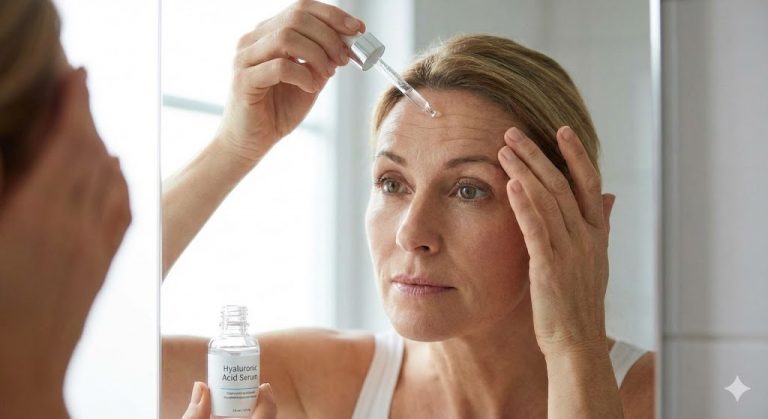
Exfoliating creams play a critical role in managing keratosis pilaris. Products containing alpha-hydroxy acids, such as glycolic acid, can help remove dead skin cells effectively. Using these creams two to three times a week can lead to smoother skin over time. It is essential to follow the product instructions to avoid irritation.
Incorporating physical exfoliation can enhance results. Gentle scrubs made from natural ingredients can provide additional benefits. Focus on using non-irritating formulas, as harsh scrubs may exacerbate the condition. Aim to exfoliate during your shower routine for maximum effectiveness.
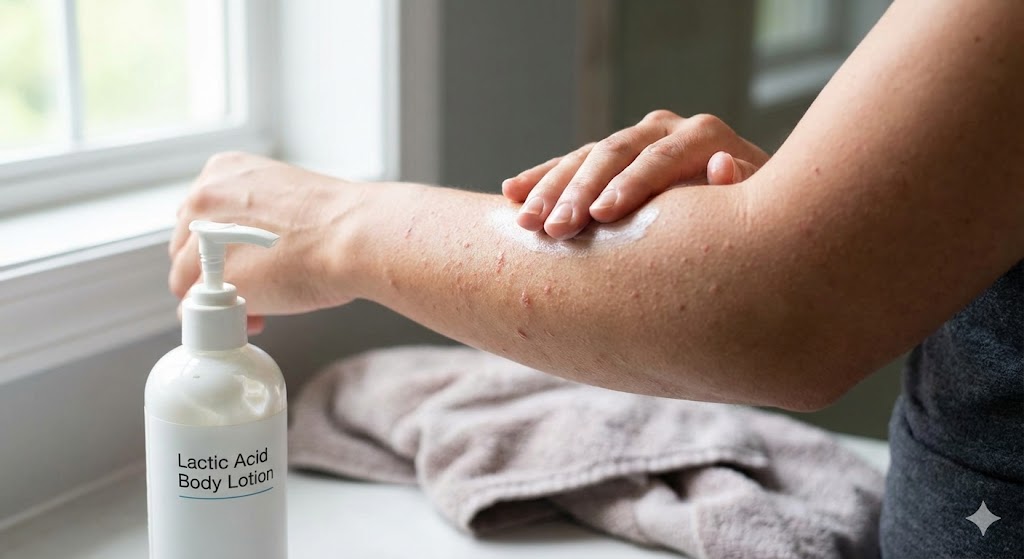
After exfoliating, apply a soothing moisturizer. This step is crucial. Hydrated skin can help reduce the appearance of bumps. Look for lotions that contain ingredients like urea or lactic acid, which can further aid in exfoliation while keeping the skin hydrated.
The Moisturizing Routine
Moisturizing is vital in managing keratosis pilaris. Dry skin can worsen the condition, leading to increased visibility of the bumps. Daily application of a rich, emollient lotion can help maintain skin hydration. Focus on areas affected by keratosis pilaris, ensuring even coverage.
Opt for products with ingredients like shea butter or glycerin. These components not only hydrate but also create a barrier to lock in moisture. Applying lotion immediately after bathing can maximize absorption and effectiveness.
Consider using a thicker cream at night. Nighttime application allows for prolonged hydration. This can be especially beneficial when combined with a humidifier, which will maintain moisture levels in your environment.
The Supplement Strategy
In addition to topical treatments, dietary supplements can contribute to skin health. Omega-3 fatty acids, found in fish oil, may reduce inflammation and improve skin texture. A daily intake of 1,000 mg can provide the necessary support for skin health.
Vitamins A, C, and E also play significant roles in skin function. These vitamins can be found in various foods or taken as supplements. They help in skin repair and regeneration, which is crucial for those dealing with keratosis pilaris.
Consult a healthcare provider before starting any new supplement regimen. This ensures that the chosen supplements do not interfere with any existing medications or conditions.
Biological Aspects of Keratosis Pilaris
Keratosis pilaris arises from an excess production of keratin, a protein essential for skin health. The buildup of keratin forms hard plugs in hair follicles, leading to the characteristic bumps. This process may be influenced by genetic factors, hormonal changes, or environmental conditions.
Research indicates that keratosis pilaris is often associated with dry skin. Therefore, understanding the role of hydration and exfoliation is vital for effective treatment. Maintaining a balance in skin moisture can help minimize the appearance of bumps and improve overall skin texture.
Studies have shown that topical treatments containing alpha-hydroxy acids can significantly improve skin appearance for those affected by keratosis pilaris. For further reading on skin conditions, visit the National Institutes of Health.
Common Errors in Treatment
Many individuals make mistakes when managing keratosis pilaris that can hinder progress. The first common error is neglecting to moisturize consistently. Skipping this step can lead to dryness, exacerbating the condition. Ensure that moisturizing is a daily priority.
Another frequent mistake is over-exfoliating. While exfoliation is beneficial, excessive scrubbing can irritate the skin. This irritation can lead to increased redness and discomfort. Stick to a routine that involves gentle exfoliation two to three times a week.
Finally, relying solely on topical treatments without considering dietary factors can limit results. Supplements and a balanced diet can significantly contribute to skin health. Incorporate omega-3s and vitamins to enhance overall effectiveness.
Keratosis Pilaris Key Comparisons
| Factor | Observation | Typical Result |
|---|---|---|
| Exfoliation | Regular use of AHA creams | Smoother skin texture |
| Moisturization | Daily application of emollient lotions | Reduced visibility of bumps |
| Dietary Supplements | Incorporating omega-3 fatty acids | Improved skin health overall |
Maximizing Results with Lifestyle Adjustments
Enhancing the effectiveness of treatments for keratosis pilaris can involve lifestyle adjustments. Regular hydration is essential. Drinking adequate water daily can help maintain skin moisture levels, preventing dryness that aggravates the condition. Aim for at least eight glasses of water each day for optimal hydration.
Incorporating a balanced diet rich in fruits, vegetables, and healthy fats can also support skin health. Foods high in antioxidants can combat inflammation and promote skin repair. Focus on a diverse diet to ensure a broad spectrum of nutrients.
Who Should Avoid This?
- Individuals with sensitive skin may experience irritation from exfoliating agents.
- Those with active skin conditions, such as eczema or psoriasis, should consult a dermatologist before treatment.
- Pregnant or breastfeeding women should be cautious with certain topical treatments and supplements.
- People allergic to specific ingredients in lotions or creams should avoid those products.
Final Take
- My Honest Assessment: Keratosis pilaris treatments can be effective but require commitment.
- The Smart Play: Combine topical treatments with dietary supplements for the best results.
- Final Word: Consistency and patience are vital for managing this condition effectively.
Common Questions
What causes keratosis pilaris?
Keratosis pilaris is caused by the buildup of keratin around hair follicles, leading to blocked pores.
Can keratosis pilaris be cured?
While there is no definitive cure, effective management strategies can minimize its appearance.
How long does it take to see results from treatments?
Results can vary but typically appear within a few weeks of consistent treatment.
Is keratosis pilaris contagious?
No, keratosis pilaris is not contagious. It is a common skin condition that affects many people.
Get Your FREE Ultimate Vitamin Guide!
Join the VitaminProGuide community to receive science-backed supplement reviews, nutritional insights, and absorption tips, delivered straight to your inbox.