Physical Address
304 North Cardinal St.
Dorchester Center, MA 02124
Physical Address
304 North Cardinal St.
Dorchester Center, MA 02124
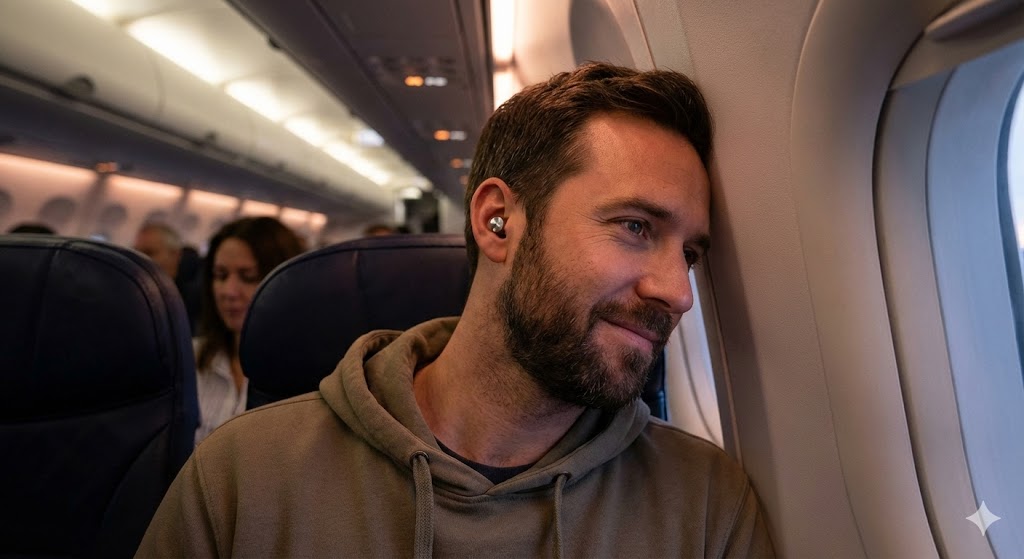
When evaluating loop earplugs vs flare audio for noise sensitivity, individuals often look for ways to manage auditory input without total isolation. Sensory processing differences can make high-frequency sounds or chaotic environments feel overwhelming, leading to a state of heightened physiological arousal. By selecting tools that attenuate sound rather than blocking it entirely, one may maintain situational awareness while reducing the intensity of external stimuli.
The human auditory system is designed to process a wide range of frequencies, but chronic exposure to loud or sharp noises can trigger a stress response in the nervous system. This response often involves the release of cortisol and adrenaline, which can impact focus and emotional regulation. Managing this input through physical barriers is a common strategy for those seeking to maintain a calmer internal state throughout the day.
Choosing between these two options depends on whether the goal is to filter specific frequencies or to achieve a general reduction in volume. Both approaches aim to support the user by dampening the impact of environmental noise on the auditory canal. The following sections provide a detailed look at how these mechanisms function to assist with sensory regulation.
When comparing loop earplugs vs flare audio for noise sensitivity, the primary distinction lies in how each device manages acoustic resonance within the ear canal.
The primary biological goal of using ear-worn devices is to reduce the pressure exerted on the tympanic membrane, or eardrum. When sound waves enter the ear, they vibrate the eardrum, which then transmits these vibrations to the ossicles in the middle ear. By introducing a physical barrier or a specialized channel, these devices can lower the amplitude of incoming sound waves before they reach the delicate structures of the inner ear.
This reduction in amplitude helps prevent the overstimulation of hair cells within the cochlea. When these cells are bombarded by excessive noise, the brain may interpret the input as a threat, potentially leading to increased anxiety or sensory overload. By moderating the intensity of sound, individuals may find it easier to remain calm in environments that would otherwise be taxing to their sensory processing systems.
The ear canal naturally acts as a resonator, amplifying certain frequencies, particularly those in the range of human speech. When this resonance is too high, it can contribute to the feeling of being overwhelmed by background chatter or sharp, sudden noises. Using devices that alter this resonance can help create a more stable auditory environment, allowing the brain to process information without the added stress of high-frequency spikes.
For many, the benefit of using these tools is a noticeable decrease in the mental fatigue that often accompanies a long day in a noisy office or public space. By smoothing out the peaks in sound intensity, the nervous system is less likely to trigger a fight-or-flight response. This can lead to improved concentration and a more balanced mood throughout the day.
It is important to note that individual anatomy plays a significant role in how well these devices function. Because every person has a unique ear canal shape, the acoustic seal achieved by a device will vary. Finding a fit that is both comfortable and effective is essential for long-term use, as discomfort can paradoxically increase the very stress the user is trying to avoid.
The design of these devices reflects different approaches to sound management. Some utilize a circular, ring-like structure that sits within the concha, while others use a small, solid insert that sits deeper in the canal. These structural differences change how sound waves are reflected or absorbed, which in turn affects the clarity of the sound that reaches the eardrum.
Research into auditory perception suggests that the brain is highly adaptable, but it requires a consistent baseline to function optimally. When the environment is unpredictable, the brain must work harder to filter out irrelevant information. By providing a consistent level of attenuation, these devices may help reduce the cognitive load required to navigate complex soundscapes.
Devices that feature a ring-like design often provide a more balanced sound profile, which is beneficial for those who need to hear conversations clearly while still dampening background noise. This design allows for a more natural transition between the filtered sound and the surrounding environment. Users often report that this makes the experience feel less like wearing earplugs and more like simply turning down the volume of the world.
Conversely, devices that sit deeper in the canal may offer a more pronounced reduction in overall volume. This can be particularly helpful for individuals who are highly sensitive to low-frequency hums, such as the sound of air conditioning units or traffic. The physical presence of the device in the canal can provide a sense of security and containment for those who feel easily overwhelmed by their surroundings.
When selecting a device, consider the durability and material of the product. Silicone or soft polymers are often preferred for their ability to conform to the ear without causing pressure points. According to guidance from the American Speech-Language-Hearing Association, maintaining comfort is a key factor in the consistent use of any hearing protection device, which is necessary for long-term sensory management.
Not all noise is created equal, and the ability to filter specific frequencies is a major differentiator. Some devices are engineered to maintain the integrity of the mid-range frequencies, which are crucial for speech, while aggressively cutting off high-frequency “harshness.” This selective filtering is a sophisticated way to manage sensory input without sacrificing the ability to communicate effectively.
The biological benefit of this selective filtering is that it allows the user to remain engaged with their environment. When the brain is not struggling to distinguish speech from background noise, it can allocate more resources to cognitive tasks. This can lead to a significant improvement in daily productivity and a reduction in the irritability that often follows sensory overstimulation.
The ability to maintain social interaction while using noise-dampening tools is a primary concern for many. Devices that prioritize clarity ensure that the user does not feel isolated or disconnected from those around them. This is particularly important in professional settings where active listening is required, as it allows the user to stay present without the exhaustion of filtering out ambient noise manually.
For those who experience sensory sensitivity, the predictability of sound is often more important than the absolute volume. By using a device that provides a consistent, high-fidelity reduction, the user can create a “safe zone” for their auditory system. This consistency helps the nervous system remain in a parasympathetic state, which is associated with relaxation and recovery.
It is worth noting that the effectiveness of these devices can be influenced by the environment itself. In a room with high reverberation, the way sound interacts with the device may change. Being aware of how different spaces affect sound can help the user adjust their expectations and choose the right level of protection for the specific situation.
| Feature | Ring-Style Devices | Insert-Style Devices |
|---|---|---|
| Primary Benefit | Balanced, natural sound | Higher volume reduction |
| Best For | Socializing and work | High-noise environments |
| Fit Profile | Sits in the concha | Sits in the canal |
Many individuals find that reducing the intensity of environmental noise helps manage the physiological symptoms of sensory overload, such as increased heart rate or anxiety.
Most modern ear-attenuation devices are designed for comfort, but individual tolerance varies; it is recommended to start with shorter periods to ensure they do not cause irritation.
No, these devices are designed to attenuate or lower the volume of sound, not to provide total silence, which allows for continued awareness of one’s surroundings.
Selecting the right tool for noise sensitivity involves balancing the need for sound reduction with the desire to remain engaged in one’s environment. Both options discussed offer distinct ways to manage auditory input, and the best choice often depends on the specific acoustic challenges faced in daily life.
This information is for educational purposes only and does not constitute medical advice. If you are pregnant, breastfeeding, managing a medical condition, or taking medication, please seek personalized guidance from a qualified clinician before introducing new tools or protocols into your routine.
To determine which option is best for your needs, consider testing each in a variety of environments to observe how they impact your personal comfort and focus levels.
Get Your FREE Ultimate Vitamin Guide!
Join the VitaminProGuide community to receive science-backed supplement reviews, nutritional insights, and absorption tips, delivered straight to your inbox.
Vitaminproguide.com is reader-supported. When you buy through links on our site, we may earn an affiliate commission at no extra cost to you. As an Amazon Associate, we earn from qualifying purchases. Read our full disclosure.