Physical Address
304 North Cardinal St.
Dorchester Center, MA 02124
Physical Address
304 North Cardinal St.
Dorchester Center, MA 02124
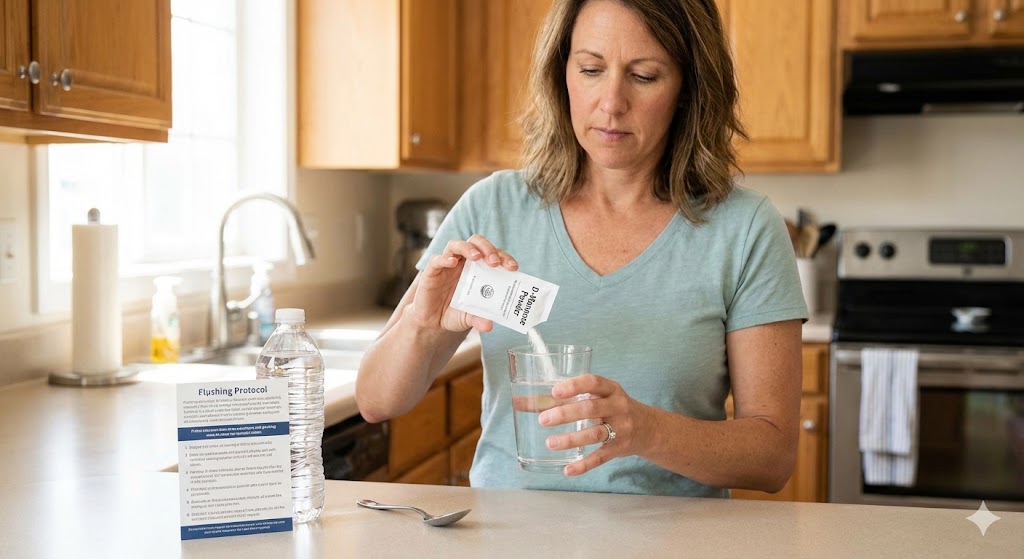
Choosing between d-mannose vs cranberry for recurrent bladder irritation requires a look at how these substances interact with the urinary tract lining. Both options are popular in wellness protocols, yet they function through distinct biochemical pathways that influence how the body manages microbial adhesion.
When analyzing recent formulation trends, it becomes clear that individual responses to these compounds vary based on hydration levels and the specific environment of the bladder. Understanding the difference between a simple sugar and a complex fruit extract helps in selecting the right tool for maintaining urinary comfort.
D-mannose acts as a decoy to prevent bacteria from sticking to bladder walls, while cranberry contains proanthocyanidins that inhibit bacterial attachment through a different chemical mechanism. Most individuals find that d-mannose provides faster, targeted support for acute discomfort, whereas cranberry is often utilized for long-term maintenance of urinary tract health.
The bladder lining is protected by a layer of glycosaminoglycans, which act as a barrier against irritants. When certain bacteria, particularly E. coli, enter the urinary tract, they use hair-like projections called fimbriae to anchor themselves to the bladder wall. This attachment is the primary trigger for the physical sensation of burning or urgency.
D-mannose works by mimicking the sugar structures on the bladder wall. Because the bacteria have a higher affinity for the free-floating d-mannose in the urine than for the bladder tissue, they bind to the sugar instead. This effectively “neutralizes” the bacteria, allowing them to be flushed out during normal urination. This process provides the benefit of immediate relief by reducing the physical irritation caused by bacterial colonization.
Active Compound: d-mannose (a simple sugar) and proanthocyanidins (polyphenols).
Mechanism of Action: Competitive inhibition of bacterial fimbriae binding sites.
Best Used For: Supporting the body’s natural ability to flush out unwanted microbes from the urinary tract.
Cranberry is more than just a fruit; it is a complex mixture of organic acids and polyphenols. The most significant components are A-type proanthocyanidins. Unlike the B-type PACs found in other fruits, A-type PACs are uniquely structured to prevent bacteria from forming a stable grip on the urothelium.
When selecting a cranberry supplement, the concentration of these PACs is the most critical factor. Many juice-based products lack the necessary density of these compounds to have a meaningful impact. High-quality extracts in capsules or tablets are generally preferred because they provide a consistent dose without the high sugar content found in commercial juices, which can sometimes be counterproductive to bladder health.
Regardless of the supplement chosen, the volume of fluid intake remains the most important factor in bladder health. According to the National Institute of Diabetes and Digestive and Kidney Diseases, maintaining adequate hydration ensures that the bladder is flushed regularly, preventing the stagnation of urine that allows bacteria to proliferate.
Some individuals also monitor their urine pH. While the idea that cranberry “acidifies” the urine to kill bacteria is largely outdated, the presence of these compounds does create an environment that is less hospitable to certain microbial strains. Consistent water intake acts as the primary vehicle for both d-mannose and cranberry components to reach the bladder effectively.
| Feature | D-Mannose | Cranberry Extract |
|---|---|---|
| Primary Action | Competitive binding (decoy) | Anti-adhesion (structural) |
| Onset of Action | Rapid (within 1-2 hours) | Gradual (cumulative) |
| Metabolic Impact | Minimal (simple sugar) | Contains antioxidants/polyphenols |
When integrating these into a wellness protocol, timing is essential. For those who experience frequent discomfort, taking d-mannose in divided doses throughout the day helps maintain a steady concentration in the bladder. This ensures that the “decoy” effect is always active, rather than relying on a single large dose that may be excreted too quickly.
Cranberry is often better suited for daily, long-term use. Because its mechanism involves modifying the environment of the urinary tract over time, consistency is more important than the specific time of day. Many individuals find that taking a standardized extract with a meal improves tolerance and absorption of the polyphenolic compounds.
One common issue is the quality of the supplement. Because the supplement industry is vast, it is vital to look for third-party testing to ensure the product contains the stated amount of active ingredients. For those sensitive to fruit acids, cranberry may occasionally cause mild digestive discomfort, in which case switching to a buffered form or a pure d-mannose powder may be a better path forward.
Furthermore, the National Center for Biotechnology Information highlights that individual microbial profiles vary significantly. If a specific protocol does not yield the expected results, it may be due to the presence of bacterial strains that do not rely on mannose-sensitive fimbriae. In such cases, rotating the approach or focusing on overall microbiome support through fermented foods can be a useful adjustment.
Yes, many individuals combine them to utilize both the rapid-acting decoy effect of d-mannose and the long-term anti-adhesion properties of cranberry PACs.
D-mannose is a simple sugar, but it is metabolized very differently than glucose. It is largely excreted unchanged through the kidneys, meaning it typically has a negligible impact on blood glucose levels.
D-mannose is often used during periods of acute need, while cranberry is frequently used as a long-term maintenance strategy. It is best to assess your progress after 30 days of consistent use.
D-mannose and cranberry represent two distinct, evidence-based approaches to supporting urinary tract comfort. D-mannose functions as a rapid-acting decoy for specific bacteria, while cranberry provides a structural barrier that prevents microbial attachment over time.
This information is for educational purposes and does not constitute medical advice. Always consult with a qualified healthcare professional before starting any new supplement regimen, especially if you have underlying health conditions or are taking other medications.
To determine the best approach for your needs, consider starting with a high-quality, third-party tested d-mannose powder to assess your body’s response, and monitor your hydration levels as a foundational step in your wellness protocol.
Get Your FREE Ultimate Vitamin Guide!
Join the VitaminProGuide community to receive science-backed supplement reviews, nutritional insights, and absorption tips, delivered straight to your inbox.
Vitaminproguide.com is reader-supported. When you buy through links on our site, we may earn an affiliate commission at no extra cost to you. As an Amazon Associate, we earn from qualifying purchases. Read our full disclosure.