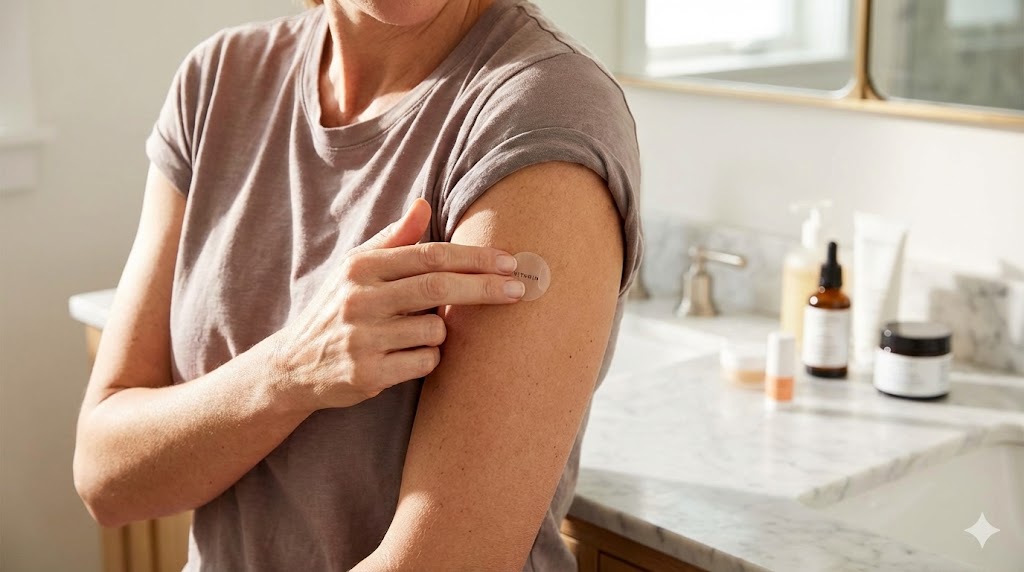
- Safety: Transdermal patches bypass the digestive system, reducing nausea common with oral vitamins. However, the adhesive can cause contact dermatitis in sensitive individuals. Always rotate application sites.
- Effectiveness: Research is mixed. While small molecules like nicotine absorb well, larger vitamin molecules (like B12) struggle to penetrate the skin barrier effectively without specialized enhancers. Clinical data on multivitamin patches shows they often fail to raise serum levels compared to pills.
- Key Benefit: Ideal for post-bariatric patients or those with malabsorption issues (Crohn’s, Celiac) who cannot physically absorb nutrients through the gut.
You hate swallowing pills. You see an ad for a “sticker” that promises to deliver your daily vitamins directly into your bloodstream. It sounds perfect. No nausea, no giant horse pills, just effortless nutrition. But is your skin really a door, or is it a wall?
The skin is designed to keep things out. To get a nutrient through the stratum corneum (the outer layer), it must be incredibly small (under 500 Daltons) and lipophilic (fat-loving). Most vitamins are water-soluble and bulky. This creates a massive delivery problem.
For the data-driven consumer, the skepticism is warranted. I audited the molecular weight of common vitamins against the permeability of human skin. Evidence suggests that vitamin patches transdermal technology is hit-or-miss. Some ingredients like Vitamin D work; others like Vitamin C are essentially expensive stickers.
Physiologically Speaking: The Dalton Limit
The “500 Dalton Rule” is the law of transdermal absorption. If a molecule is heavier than 500 Daltons, it cannot pass through normal skin. Most drugs in patches (nicotine, estrogen) are tiny. Vitamins are mixed.
Physiologically speaking, Vitamin B12 is large (1355 Daltons). It shouldn’t absorb. Yet, some studies show it does elevate blood levels slightly. This suggests that high-quality patches use “permeation enhancers” (chemical carriers) to force the door open. Cheap patches skip this step.
A direct comparison reveals the efficiency gap. Oral supplements have a known bioavailability (e.g., 20-50%). Patches are unpredictable. Factors like skin thickness, hydration, and hair follicles drastically alter absorption. A study in Clinical Nutrition ESPEN found that gastric bypass patients using multivitamin patches had significantly lower nutrient levels than those taking pills.
| Feature | Transdermal Patch | Oral Capsule/Tablet |
|---|---|---|
| Absorption Route | Direct to bloodstream (bypasses liver). | Digestive tract & liver metabolism. |
| Best For | Bariatric patients; pill fatigue. | General population; reliable dosing. |
| The Practical Catch | Inconsistent absorption rates. | Can cause nausea/GI distress. |
5 Clinical Methods To Ensure Patch Efficacy
1. The “Clean Skin” Mandate
Lotions, oils, and dead skin cells block absorption. You must apply the patch to clean, dry, hairless skin. The best spots are the inner wrist, shoulder blade, or the top of the foot where the skin is thinner and vascularity is high.
Pro-Tip: Use an alcohol wipe to prep the area before application.
2. The 8-Hour Window
Unlike nicotine patches which last 24 hours, vitamin patches typically release their payload within 6-8 hours. Leaving it on for 2 days does nothing but irritate the skin. Apply it in the morning and remove it before bed.
Pro-Tip: Rotate locations daily to prevent adhesive allergies.
3. Specificity Over “Multis”
A patch cannot hold 20 different vitamins in therapeutic doses. The surface area is too small. Patches work best for single nutrients like Vitamin D3, B12, or Iron. “Multivitamin” patches are chemically overcrowded and rarely deliver effective doses of anything.
Pro-Tip: Buy patches for your specific deficiency, not a “one-size-fits-all” solution.
4. Malabsorption Testing
If you are using patches because of gastric bypass or IBS, you must get blood work done every 3 months. You cannot feel nutrient levels dropping until it’s critical. Verification is the only way to know if the patch is actually working for your unique skin type.
Pro-Tip: Ask for a full panel: B12, D3, Ferritin, and Folate.
5. Heat Activation (Caution)
Heat opens pores and increases blood flow, which boosts absorption. Applying a patch after a warm shower can enhance uptake. However, extreme heat (sauna/hot tub) can cause the patch to dump its load too quickly or fall off.
Pro-Tip: Apply post-shower once the skin is dry, but avoid direct heating pads on the patch.
Stacking Your Strategy For Nutrient Repletion
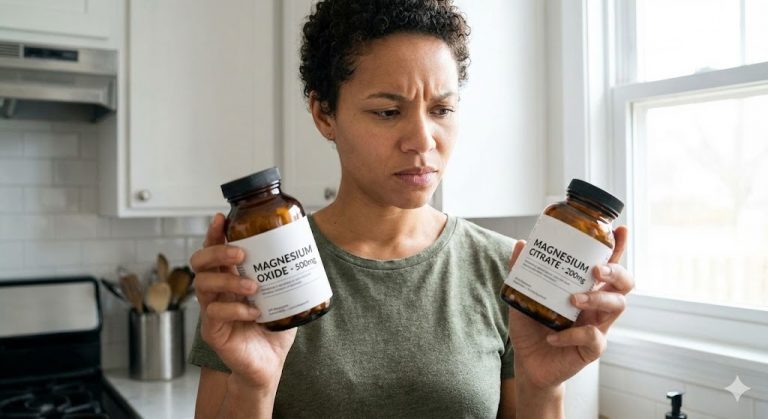
To make this work 20% better, stack your Vitamin Patches with Topical Magnesium Oil.
Magnesium is bulky and hard to fit in a patch. By using a separate magnesium spray on your legs while wearing your B12 or D3 patch, you cover the macromineral gap that patches miss. This transdermal “double-stack” ensures you get the relaxation benefits of magnesium without relying on the limited real estate of the sticker.
Safety & Precautions
1. Adhesive Allergies
The glue is often the problem, not the vitamin.
Safety Note: If you get a red, itchy square, you are allergic to the acrylate adhesive. Switch brands or stop.
2. False Security
Thinking you are covered when you aren’t.
Caution: Do not rely on patches for critical deficiencies (like anemia) without doctor supervision.
3. Children and Pets
Used patches still contain active ingredients.
Heads Up: Fold them in half (sticky side in) before trashing so pets don’t eat them.
4. MRI Burns
Some patches contain metallic backings (aluminum).
Doctor’s Note: Remove all patches before an MRI scan to prevent skin burns.
5. Cost Efficiency
Patches are 5-10x more expensive per dose than pills.
Warning: Ensure the convenience is worth the premium price tag.
5 Common Myths vs. Facts
Myth 1: It absorbs 100% of the vitamin.
Fact: Marketing hype. Skin is a barrier. Absorption varies wildly, often falling below 50% depending on the formulation.
Myth 2: It works instantly.
Fact: It is a slow-release mechanism. It takes hours to permeate the dermis and enter the capillaries.
Myth 3: You can swim with them.
Fact: Even “waterproof” patches often lose adhesion or integrity in chlorinated pools. Apply after swimming.
Myth 4: All vitamins work transdermally.
Fact: Vitamin C is unstable. Magnesium is too bulky. Only specific, lipophilic nutrients work well.
Myth 5: It’s better than injections.
Fact: Injections (like B12 shots) are 100% bioavailable. Patches are a convenient maintenance tool, not a replacement for acute medical treatment.
The Bottom Line
Skin is a shield, not a sponge.
My analysis concludes that for the efficiency-minded user, Vitamin Patches are a viable “Plan B” for those who cannot swallow pills, but they are not superior to oral supplementation for the general population. They excel for B12 and D3 but fail for multivitamins due to size constraints.
The real issue is the absence of regulation. For a clinical-strength result that actually moves the needle on your blood work, I recommend pivoting to Single-Nutrient Patches (like B12 or Iron) from reputable medical brands. Stack it with Oral Drops if your levels remain low to ensure you aren’t paying for expensive stickers that just sit on the surface.
Get Your FREE Ultimate Vitamin Guide!
Join the VitaminProGuide community to receive science-backed supplement reviews, nutritional insights, and absorption tips, delivered straight to your inbox.