Physical Address
304 North Cardinal St.
Dorchester Center, MA 02124
Physical Address
304 North Cardinal St.
Dorchester Center, MA 02124
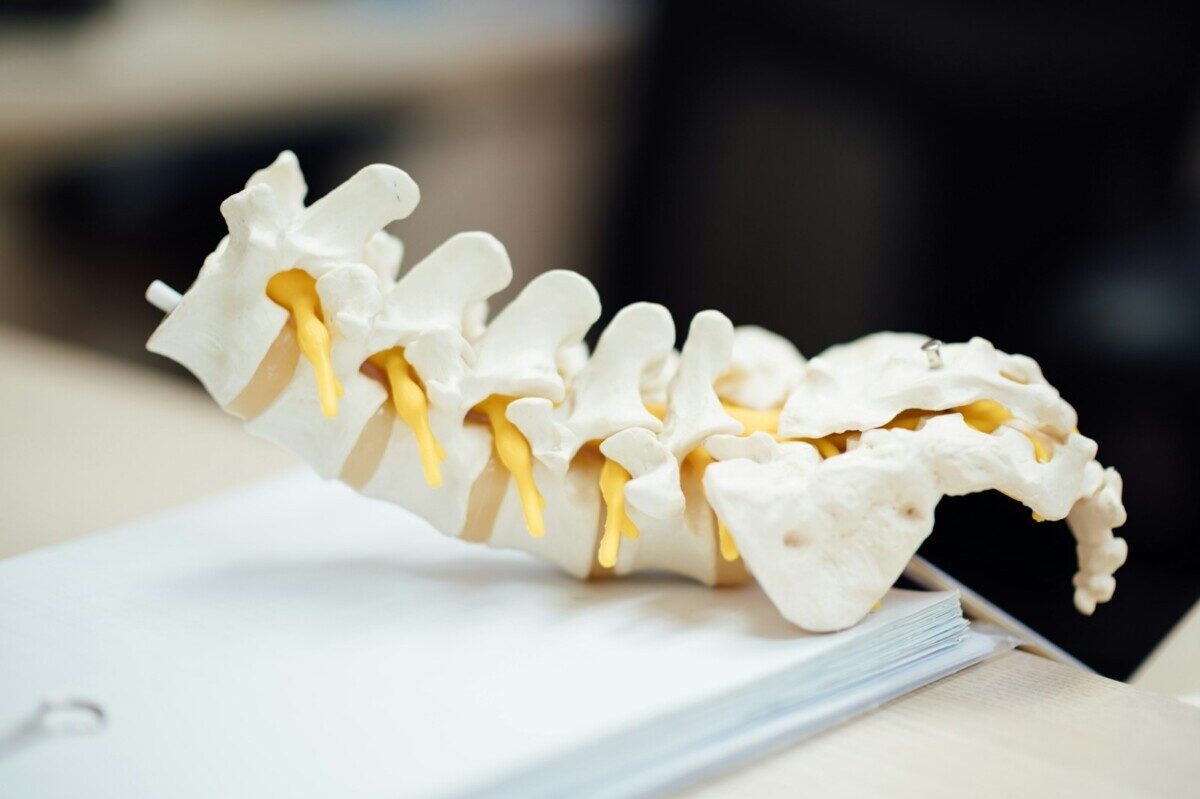
The pelvic splanchnic nerve function dictates how the lower body manages essential autonomic processes. These nerves represent the parasympathetic outflow originating from the sacral spinal cord segments S2 through S4. By facilitating communication between the central nervous system and the pelvic viscera, these pathways ensure that involuntary internal operations remain consistent and responsive to physiological demands.
As part of the autonomic nervous system, this network operates without conscious direction, maintaining internal equilibrium throughout the pelvic cavity. It acts as a bridge for signals that regulate organ motility and sensory feedback. When these nerve fibers transmit impulses effectively, the body maintains a baseline of functional stability within the bladder, bowel, and reproductive structures.
This overview addresses how the pelvic splanchnic nerves orchestrate visceral activity and sensory signaling within the human body. By examining their anatomical path and biochemical influence, one gains clarity on how these structures support daily excretory and reproductive health. Understanding these pathways provides insight into the complex wiring that governs basic human physiology.
The pelvic splanchnic nerves emerge from the anterior rami of the S2, S3, and S4 spinal nerves. Unlike other splanchnic nerves that travel through the sympathetic chain, these fibers exit the sacral foramina and join the inferior hypogastric plexus directly. This direct connection allows for rapid, localized modulation of pelvic organs, which ensures that the bladder and distal colon respond quickly to internal pressure changes.
This specific anatomical arrangement allows the body to prioritize parasympathetic input in the pelvic region. When these nerves fire, they release acetylcholine to target receptors, which triggers smooth muscle contraction. You experience this as the physical urge to empty the bladder, a vital process for removing metabolic waste and maintaining hydration balance.
Because these nerves are distinct from the sympathetic system, they provide a counter-balance to the fight-or-flight response. While sympathetic activation might cause muscles to tense or restrict, the pelvic splanchnic nerves promote relaxation and secretory activity. This dynamic interplay keeps your physiological status in a state of rest and recovery, which is necessary for long-term health maintenance.
The structural integrity of these nerves relies on the surrounding neural architecture and the availability of essential nutrients. For instance, maintaining healthy myelin sheaths requires adequate intake of Thorne Methylcobalamin to support nerve signaling. Without consistent nutritional support, the efficacy of these transmission pathways can face challenges, leading to less efficient communication between the brain and pelvic tissues.
A primary aspect of pelvic splanchnic nerve function involves regulating the motility of the distal colon and the rectum. The nerves stimulate the smooth muscle walls of the bowel to initiate peristalsis, which helps move contents forward during the digestive process. This biological rhythm provides the physical sensation of bowel regularity, preventing stagnation and promoting systemic comfort.
When these signals reach the target tissues, they override inhibitory sympathetic inputs. This allows for a more relaxed state, which is required for the efficient expulsion of stool. When this coordination occurs correctly, the body maintains a consistent and predictable schedule, which is essential for general metabolic efficiency and waste management.
Research published by the National Library of Medicine highlights the critical role these nerves play in maintaining autonomic balance in the pelvis. The ability to sense the fullness of the rectum depends on the afferent fibers traveling alongside these parasympathetic nerves. This sensory feedback loop is what tells your body that it is time to seek out a restroom, a necessary function for maintaining daily hygiene and avoiding physical distress.
To support the health of the tissues receiving these signals, many individuals focus on magnesium levels. Supplementing with Pure Encapsulations Magnesium Glycinate can help ensure that muscle cells have the required minerals to function properly. When smooth muscles are sufficiently supported, they respond more reliably to nerve impulses, leading to improved consistency in visceral activity.
The regulation of bladder emptying represents one of the most critical applications of these nerves. During the filling phase, the nerves remain relatively quiescent to allow the bladder to expand and store urine. Once the bladder reaches a certain volume, the parasympathetic fibers increase their firing rate, stimulating the detrusor muscle to contract.
This activation forces the bladder to empty, which is a key process for removing nitrogenous waste from the blood. You benefit from this as a controlled and efficient relief of pressure, which avoids the discomfort of bladder distension. This complex process is governed by the coordination of the internal and external sphincters, guided by the autonomic input from the sacral plexus.
If these nerves are compromised, the bladder may lose the ability to contract effectively or at the correct time. This is why preserving the health of the entire pelvic region is so vital. Keeping the pelvic floor muscles strong through appropriate physical activity can also provide structural support to these delicate nerves, reducing the risk of impingement or signal interference.
Adding Omega-3 fatty acids like Nordic Naturals Ultimate Omega can provide structural lipids that are beneficial for nerve cell membranes. Healthy membranes facilitate better signal transmission, which ensures that commands from the sacral roots reach the bladder muscles without delay. This promotes more predictable control and helps maintain a high quality of life.
| Metric | Pelvic Splanchnic Role | Sympathetic Influence |
|---|---|---|
| Organ Motility | Stimulates peristalsis/contraction | Inhibits smooth muscle |
| Bladder State | Facilitates emptying | Supports storage/filling |
| Primary Neurotransmitter | Acetylcholine | Norepinephrine |
Nerve function is highly sensitive to the micronutrient environment within the body. Myelin production and synaptic transmission require specific cofactors that act as building blocks for cellular repair. Ensuring the body receives adequate levels of essential nutrients is a proactive approach to maintaining the efficiency of the entire autonomic nervous system.
The B-vitamin complex, particularly B12 and folate, plays a foundational role in the maintenance of nerve sheaths. When these vitamins are present in sufficient quantities, the nerves remain insulated and protected from oxidative stress. You experience this as reliable and consistent nerve signaling, which translates to a body that responds predictably to external and internal cues.
Beyond B-vitamins, mineral balance is equally important. Electrolytes like potassium and magnesium are required for the depolarization of nerve membranes. If these minerals are lacking, the nerves may struggle to send clear signals, leading to issues with visceral muscle control. A balanced diet, sometimes supplemented by Thorne Basic Nutrients, can help fill potential gaps in intake.
It is important to remember that nerve pathways are resilient but require stable conditions to thrive. Chronic systemic inflammation can potentially affect nerve pathways, making anti-inflammatory lifestyle choices significant. Managing blood sugar and reducing exposure to inflammatory stressors can help protect the structural integrity of the sacral nerves over the long term.
Damage to these nerves can disrupt the autonomic signals sent to the bladder and bowel. This may lead to difficulties with normal emptying processes, often requiring clinical assessment to identify the specific nature of the signal interference and manage the resulting physical symptoms.
The pelvic splanchnic nerves are a key component of the parasympathetic nervous system. They carry fibers that promote rest, digestion, and the emptying of pelvic organs, acting in opposition to the sympathetic nervous system which typically slows these processes down.
Supporting these nerves involves maintaining a healthy diet rich in B-vitamins and minerals like magnesium. Additionally, avoiding prolonged pressure on the pelvic floor and maintaining overall systemic health through regular movement helps ensure that the neural pathways remain functional and clear of interference.
The pelvic splanchnic nerves serve as the vital parasympathetic links between the sacral spine and the organs of the pelvic cavity. By regulating smooth muscle contraction and sensory feedback, they ensure that the bladder and bowels perform their essential functions accurately and reliably. Maintaining the health of these nerves is fundamental to overall autonomic balance.
This information is for educational purposes and does not constitute medical advice, diagnosis, or treatment. Always consult with a qualified health professional regarding any symptoms or concerns you have about your neurological or pelvic health. Never disregard professional medical advice or delay seeking it based on something you have read here.
To support your ongoing health, focus on consistent intake of key micronutrients that nourish nerve tissue and maintain a balanced lifestyle that minimizes systemic inflammation. Monitoring your body’s signals and consulting with a professional if you notice persistent changes is the best way to ensure long-term comfort and function.
Get Your FREE Ultimate Vitamin Guide!
Join the VitaminProGuide community to receive science-backed supplement reviews, nutritional insights, and absorption tips, delivered straight to your inbox.
Vitaminproguide.com is reader-supported. When you buy through links on our site, we may earn an affiliate commission at no extra cost to you. As an Amazon Associate, we earn from qualifying purchases. Read our full disclosure.