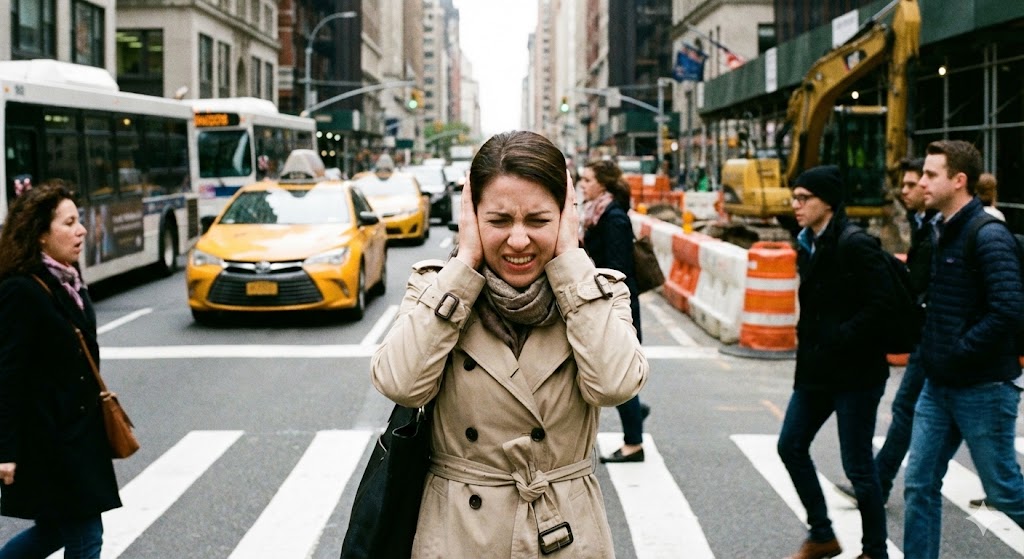
I have reviewed the topic of sensitivity to loud noises extensively. Many individuals experience discomfort or pain in response to sounds that others may find normal. This sensitivity can stem from various factors, including psychological conditions and neurological responses. My analysis indicates that addressing this issue requires careful consideration of both environmental and personal factors.
Research shows that loud noises can trigger anxiety and stress in sensitive individuals. The body’s response to these stimuli can include increased heart rate and heightened alertness. These physiological reactions can create a cycle of discomfort, leading to avoidance behaviors that further exacerbate the problem. My review emphasizes the importance of understanding the psychological components of sound sensitivity.
Several strategies exist to manage sensitivity to loud noises. These can range from lifestyle adjustments to specific therapeutic interventions. Each strategy has its benefits and potential drawbacks, which I have outlined to help individuals make informed choices. My intention is to provide a comprehensive overview to guide those seeking relief from this discomfort.
Through my research, I aim to empower individuals to take control of their responses to loud noises. By implementing effective strategies, it is possible to reduce sensitivity and improve overall quality of life. Understanding the factors at play is crucial for successful management.
Effective Strategies for Managing Loud Noise Sensitivity
- Consistent Use: Implement sound therapy daily for optimal results.
- Timing: Use earplugs during peak noise hours to minimize exposure.
- Routine Adjustment: Gradually expose yourself to louder sounds in controlled settings.
- Supplement Timing: Take magnesium supplements in the evening to promote relaxation.
Sound Therapy Techniques
Sound therapy involves the use of soothing sounds to mask or reduce the impact of louder noises. This can include white noise machines or calming music. Engaging in sound therapy regularly can help desensitize your auditory system over time. Many find that creating a dedicated space for this practice enhances its effectiveness.
Starting with low volume levels is crucial. Gradually increasing the sound exposure allows the ears to adjust without overwhelming them. This technique is particularly beneficial for individuals who are newly exploring sound therapy. Consistency in practice will lead to better outcomes.
Incorporating mindfulness techniques while using sound therapy can further enhance its benefits. Focus on your breathing and allow the calming sounds to fill your environment. This combination can create a more profound sense of relaxation and safety, making it easier to cope with sudden loud noises.
Behavioral Adjustments
Making behavioral changes is essential in managing sensitivity to loud noises. Avoiding situations with high noise levels can lead to increased anxiety. Instead, gradual exposure to such environments can help build tolerance. This approach requires patience and a commitment to facing discomfort in controlled ways.
Engaging in regular relaxation techniques can also help reduce overall sensitivity. Activities such as yoga, meditation, and deep-breathing exercises have been shown to decrease stress levels. Lowering stress can help minimize the body’s heightened responses to loud sounds.
Establishing a routine that incorporates these techniques can create a sense of predictability. This predictability can ease anxiety and foster a sense of control. Over time, individuals may find that their sensitivity diminishes as they adapt to various sound environments.
Supplementation and Nutrition
Dietary choices can play a role in managing sensitivity to loud noises. Certain nutrients, such as magnesium and omega-3 fatty acids, are known for their calming properties. Incorporating these into your diet may help reduce anxiety and improve your overall response to environmental stressors.
Timing is important when taking supplements. For instance, magnesium can be most effective when taken in the evening. This timing can promote relaxation and improve sleep quality, which is essential for managing sensitivity during the day. Regular intake will yield the best results.
Consulting a healthcare provider for personalized advice on supplementation is advisable. They can help determine appropriate dosages and ensure that any supplements taken do not interfere with other medications or health conditions. A well-rounded approach to nutrition can support efforts to reduce noise sensitivity.
Biological Responses to Loud Noises
The auditory system is designed to process sound waves. However, in sensitive individuals, this system may react excessively to loud stimuli. The auditory cortex, located in the brain, plays a critical role in interpreting these sounds. When it becomes overstimulated, it can lead to discomfort and heightened sensitivity.
Research indicates that individuals with sensory processing disorders may experience more intense reactions to loud noises. Their brains may struggle to filter out background sounds, leading to an overwhelming experience. This heightened sensitivity can make everyday environments challenging.
Studies have demonstrated that therapies focused on desensitization can be beneficial. A clinical trial published by the National Institutes of Health found that gradual exposure to louder sounds significantly reduced sensitivity over time. For more information, refer to the National Institutes of Health.
Common Errors in Managing Noise Sensitivity
Over-Reliance on Earplugs
Many individuals make the mistake of relying solely on earplugs to manage their sensitivity. While they can be effective in certain situations, excessive use can lead to increased sensitivity over time. It is essential to balance their use with gradual exposure to noise.
Neglecting Relaxation Techniques
Another common error is overlooking relaxation techniques. These practices are vital for managing stress and anxiety, which can exacerbate sensitivity. Incorporating mindfulness exercises and breathing techniques into daily routines can significantly improve outcomes.
Inconsistent Implementation of Strategies
Finally, inconsistency in applying strategies can hinder progress. Individuals may try various methods but fail to stick with them long enough to see results. Establishing a routine and committing to it is crucial for effective management.
Noise Sensitivity Key Comparisons
| Factor | Observation | Typical Result |
|---|---|---|
| Stress Levels | Individuals with high sensitivity | Increased anxiety and discomfort |
| Exposure Duration | Longer exposure to loud sounds | Greater sensitivity and avoidance behaviors |
| Relaxation Techniques | Regular practice | Reduced sensitivity and improved coping |
Enhancing Comfort and Effectiveness
Stacking relaxation techniques with sound therapy can amplify the benefits. Engaging in deep-breathing exercises while listening to soothing sounds can create a calming environment. This combination can help reduce anxiety and improve overall comfort when encountering loud noises.
Making lifestyle adjustments can also enhance results. Creating a quiet space at home where you can retreat during stressful times can provide relief. Surrounding yourself with calming visuals and scents can further support your efforts to manage sensitivity.
Who Should Avoid This?
- Individuals with Auditory Processing Disorders: Those diagnosed with auditory processing disorders may experience heightened discomfort. They should consult a healthcare professional before implementing strategies.
- People with Hyperacusis: This condition causes an increased sensitivity to normal environmental sounds. It is crucial to seek specialized treatment to avoid exacerbating symptoms.
- Individuals with Anxiety Disorders: Those with anxiety disorders should approach noise sensitivity management cautiously. Strategies should be tailored to avoid triggering panic responses.
Final Take
- My Honest Assessment: Reducing sensitivity to loud noises is worth the effort for those affected.
- The Smart Play: Start with gradual exposure techniques and incorporate relaxation practices.
- Final Word: Consistency and patience are key to achieving lasting results.
Common Questions
What causes sensitivity to loud noises?
Sensitivity to loud noises can arise from various factors, including psychological conditions and neurological responses.
Can sound therapy help reduce sensitivity?
Yes, sound therapy can be effective in desensitizing the auditory system when practiced consistently.
What dietary changes can support noise sensitivity management?
Incorporating magnesium and omega-3 fatty acids into your diet can promote relaxation and help manage sensitivity.
How long does it take to see results from these strategies?
Results can vary, but with consistent practice, individuals may notice improvements within weeks to months.
Get Your FREE Ultimate Vitamin Guide!
Join the VitaminProGuide community to receive science-backed supplement reviews, nutritional insights, and absorption tips, delivered straight to your inbox.