Physical Address
304 North Cardinal St.
Dorchester Center, MA 02124
Physical Address
304 North Cardinal St.
Dorchester Center, MA 02124

When searching for ways to support skin health, many people weigh the choice between collagen vs bone broth for skin elasticity to determine which approach offers more predictable results. Both options provide structural proteins that serve as the building blocks for the dermis, though their delivery methods and concentrations differ significantly. Determining the right path requires looking at how these proteins are processed by the digestive system.
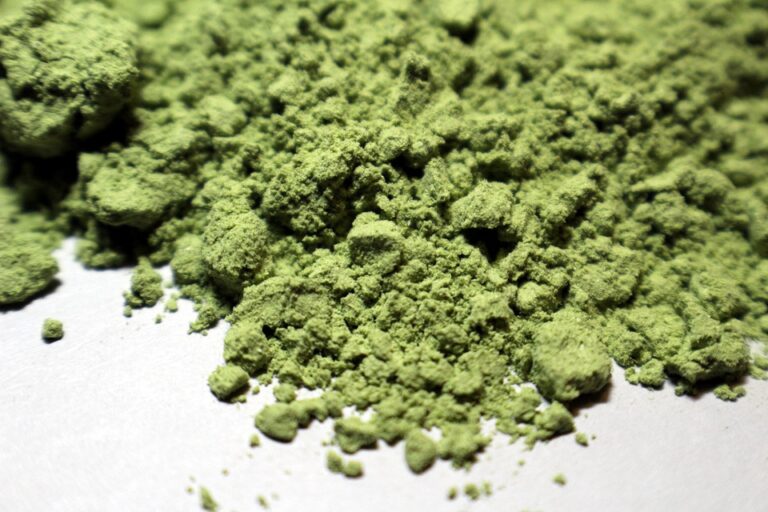
Collagen typically comes in a concentrated, hydrolyzed powder form, whereas bone broth represents a traditional liquid food source containing a complex mix of minerals and amino acids. These two options interact with the body’s natural turnover cycles in unique ways, making the decision dependent on individual dietary habits and specific wellness goals. The primary goal for most individuals remains the stimulation of fibroblasts, which are the cells responsible for maintaining firm tissue.
The current evidence suggests that hydrolyzed collagen peptides offer a more reliable concentration of the specific amino acids required for skin integrity compared to standard bone broth. While bone broth provides a holistic nutritional profile, collagen supplements allow for more precise control over the daily intake of bioactive peptides. Choosing between them often comes down to balancing the convenience of a focused supplement against the multifaceted nutritional benefits of a traditional food base.
The skin relies on a dense network of proteins to maintain its shape and resilience against external stressors. Fibroblasts reside within the deeper layers of the skin, where they synthesize the proteins necessary for structural support. When these cells receive a steady supply of specific amino acids, such as glycine, proline, and hydroxyproline, they can repair connective tissue more efficiently.
Hydrolyzed collagen functions by introducing these essential amino acids into the bloodstream in a form that is already partially broken down. This allows the body to bypass the complex enzymatic digestion usually required to dismantle long protein chains. The physical sensation of improved skin hydration often stems from this increased efficiency in replacing old, damaged fibers with fresh, resilient ones.
Bone broth relies on the long-term simmering of animal tissues to release these same proteins, along with minerals and electrolytes. Because the heat and time involved vary significantly by preparation, the total protein yield is rarely as consistent as a professional-grade product. You might try Vital Proteins Collagen Peptides to ensure you are receiving a consistent baseline of the building blocks required for dermal density.
Absorption is the primary differentiator when evaluating how these two sources impact skin physiology. Scientific literature, such as data found on PubMed, highlights that protein source and molecular weight dictate how effectively these compounds reach the skin. Hydrolyzed supplements are designed to be broken down quickly, providing a rapid influx of building blocks.
Bone broth contains a wide array of proteins, including gelatin, which is essentially cooked collagen. While gelatin is a high-quality protein, it exists as a larger molecular structure that takes more time and enzymatic energy to process. This slower rate of digestion means the body might prioritize other metabolic uses for these amino acids before they reach the peripheral tissues of the skin.
When you consume high-quality supplements like Ancient Nutrition Multi Collagen Protein, you are effectively saturating your internal supply chain with the specific materials needed for tissue repair. This creates a state of consistent availability for the skin, which helps prevent the thinning that often occurs when metabolic demand for these proteins exceeds the dietary supply.
| Feature | Hydrolyzed Collagen | Bone Broth |
|---|---|---|
| Protein Concentration | Very High | Moderate |
| Molecular Size | Small (Peptides) | Large (Gelatin) |
| Consistency | Standardized | Variable |
| Primary Usage | Targeted Support | Nutritional Diversity |
Collagen synthesis is a process that requires more than just amino acids; it is dependent on specific cofactors like vitamin C. Without enough vitamin C, the enzymes responsible for cross-linking collagen fibers fail to function correctly. This is why many clinical observations note that the intake of collagen is most effective when paired with a balanced approach to essential nutrients.
When individuals prioritize a concentrated collagen source, they often find that combining it with Garden of Life Vitamin C enhances the structural outcomes. The mechanism here involves the activation of prolyl hydroxylase, an enzyme that stabilizes the triple-helix structure of the protein. The sensation of skin being “plumper” or more “supple” is a direct physical result of these triple-helix structures becoming more organized and abundant within the skin matrix.
Bone broth inherently contains some of these cofactors, including minerals like magnesium and potassium, which can support overall cellular health. However, because it is a food product, the concentration of these nutrients varies by the quality of the bones used and the duration of the cooking process. You can learn more about how dietary protein influences tissue health through resources provided by the National Institutes of Health.
Maintaining skin elasticity over the long term involves creating a stable metabolic environment where synthesis can consistently outweigh degradation. UV exposure, oxidative stress, and the natural process of aging work against the body’s ability to maintain a robust dermal matrix. By providing the necessary precursors through regular supplementation, you counteract some of these baseline stressors.
Bone broth offers a benefit that goes beyond just protein; it provides a sense of satiety and contributes to gut health. When the gut lining is healthy, the absorption of all nutrients improves, which indirectly benefits the skin. However, relying solely on broth for skin density can be difficult because the precise amount of collagen delivered is hard to quantify.
If you choose to use Dr. Axe Bone Broth Protein, you are bridging the gap between a traditional food source and a modern, concentrated supplement. This allows for the benefits of both worlds, providing the ease of a powder while maintaining the broader nutrient profile found in traditional broth. The physical result is a more resilient skin barrier that recovers from damage with greater speed and efficiency.
Bone broth is an excellent nutritional addition to a diet, but collagen supplements are usually superior for skin health because they provide a concentrated, standardized dose of the specific peptides needed for dermal structural support.
Changes in skin health do not happen overnight; it typically takes several months of consistent intake for the body to synthesize enough new collagen to create a visible or tactile difference in firmness.
While a protein-rich diet is essential, internal synthesis capacity often declines with age or increased oxidative stress, making supplemental collagen a useful tool for supporting the dermal matrix when dietary intake alone might be insufficient.
Both collagen and bone broth contribute positively to the availability of building blocks required for skin health. Hydrolyzed collagen supplements offer the advantage of precision and consistency, while bone broth provides a holistic nutritional profile that supports overall wellness. Choosing between them depends on whether you prioritize targeted structural support or general dietary enrichment.
This information is for educational purposes and should not be considered a substitute for professional clinical advice. Always review your personal health needs and any existing health conditions before starting a new supplementation routine. Consult with a qualified healthcare professional to determine which approach is most appropriate for your unique requirements.
To begin supporting your skin, consider integrating a standardized hydrolyzed collagen supplement into your morning routine for at least three months to assess how your skin texture and resilience respond over time.
Get Your FREE Ultimate Vitamin Guide!
Join the VitaminProGuide community to receive science-backed supplement reviews, nutritional insights, and absorption tips, delivered straight to your inbox.
Vitaminproguide.com is reader-supported. When you buy through links on our site, we may earn an affiliate commission at no extra cost to you. As an Amazon Associate, we earn from qualifying purchases. Read our full disclosure.