Physical Address
304 North Cardinal St.
Dorchester Center, MA 02124
Physical Address
304 North Cardinal St.
Dorchester Center, MA 02124
The prostate gland plays a specific role in the male reproductive system, yet its growth patterns can become a focal point for health discussions as the aging process continues. Benign prostatic hyperplasia bph describes the non-cancerous enlargement of this walnut-sized gland that surrounds the urethra. By recognizing the structural changes occurring within this tissue, individuals can better identify why certain urinary symptoms appear over time.
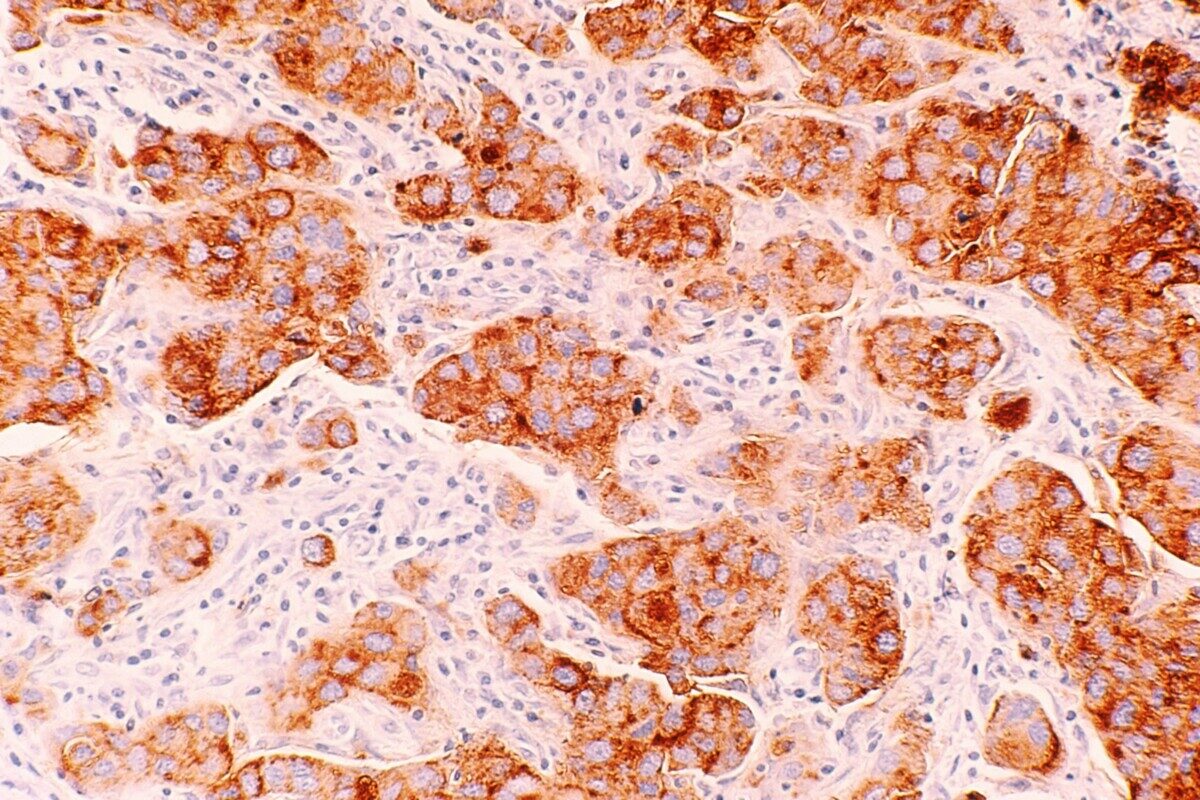
Microscopic changes within the stromal and epithelial cells of the prostate often precede noticeable physical discomfort. These cellular shifts lead to a gradual increase in the total mass of the gland, which can exert pressure on the bladder neck. Such internal changes create a mechanical bottleneck that disrupts the standard flow of urine from the body.
Benign prostatic hyperplasia bph is an age-related condition where the prostate gland increases in size, leading to restricted urinary flow and frequent urges to empty the bladder. This common occurrence is not a form of cancer and does not directly increase the risk of developing malignant prostate changes. Most men will notice these symptoms as the gland compresses the urethra, causing significant interference with daily routines.
The prostate gland is composed of several zones, with the transition zone being the primary area where hyperplasia typically occurs. As cells in this region divide more rapidly than those in the peripheral zones, the gland expands inward toward the urethra. The resulting mechanical pressure forces the muscular walls of the urethra to work significantly harder to move fluid, which leads to a sensation of incomplete emptying.
Hormonal influences, particularly the conversion of testosterone into dihydrotestosterone, act as a primary driver for this cellular growth. Enzymes like 5-alpha-reductase catalyze this transition, binding to receptors within the prostate tissue to stimulate ongoing protein synthesis. This biological activity ensures the gland maintains its growth trajectory even when systemic hormone levels are stable.
You perceive this biological growth as a frustrating delay in starting urination because the internal obstruction requires higher bladder pressure to overcome the resistance. The bladder wall may eventually thicken to compensate for the narrowed passage, though this thickening creates a secondary issue where the bladder becomes hyper-sensitive to small volumes of fluid. This cycle of pressure and sensitivity explains the frequent, sudden urges that characterize this physical state.
As the prostate tissue continues to enlarge, the urethra experiences varying degrees of constriction that change the velocity and volume of urine discharge. The body attempts to adjust by activating the sympathetic nervous system to modulate the tension of the smooth muscle surrounding the prostate. This neuro-muscular interaction often creates a fluctuating pattern of symptoms that may seem to worsen during periods of stress or cold temperatures.
Individuals often report a hesitant start to urination, which is a direct consequence of the physical obstruction preventing the bladder neck from relaxing fully. When the bladder muscle cannot overcome the resistance, some residual fluid remains after voiding, which can increase the risk of urinary tract irritation. Following the guidance provided by the National Institute of Diabetes and Digestive and Kidney Diseases helps in understanding these mechanical failures.
The sensation of urgency stems from the bladder being unable to store its full capacity due to the encroaching prostate tissue. You feel this as a constant, nagging pressure because the bladder signals to the brain that it is full even when the total volume is relatively low. This creates a challenging loop where the physical act of voiding becomes a high-frequency event that dictates the rhythm of the day.
Certain nutritional interventions focus on supporting healthy inflammatory responses within the prostate environment to maintain optimal cellular signaling. For instance, Thorne Saw Palmetto Plus is frequently cited in literature for its role in modulating local metabolic pathways. By providing necessary support to the glandular tissue, these compounds aim to balance the micro-environment surrounding the urethra.
It is important to focus on ingredients that assist with general metabolic health, such as Nordic Naturals Ultimate Omega to support systemic cellular function. When the body receives high-quality fatty acids, the health of the cell membranes in the urogenital tract may benefit from increased fluidity and improved signaling efficiency. These supplements should always be viewed as supporting actors to a robust lifestyle foundation.
Another common addition to wellness protocols includes Life+Extension+Zinc+Caps, which plays a role in numerous enzymatic functions throughout the reproductive system. Zinc is essential for maintaining the structural integrity of prostate cells. Incorporating these into a routine alongside regular physical activity can assist in maintaining normal urinary comfort levels over the long term.
| Nutrient | Biological Focus | Primary Benefit |
|---|---|---|
| Zinc | Enzymatic cofactor | Supports cellular integrity |
| Saw palmetto | Metabolic signaling | Modulates local tissue environment |
Lifestyle factors significantly dictate how the prostate responds to internal pressures. Sedentary behavior can exacerbate fluid retention and increase localized pressure in the pelvic floor, which complicates the voiding process further. Conversely, regular, moderate physical movement supports improved blood circulation throughout the pelvis, assisting in the management of localized congestion.
Dietary patterns, specifically those that include high amounts of antioxidants and phytonutrients, may influence the overall health of the glandular tissue. Research highlighted by the National Library of Medicine suggests that systemic inflammation often correlates with the progression of urinary symptoms. By choosing whole foods that support a healthy immune response, individuals help the body manage the cellular environment more effectively.
Managing caffeine and fluid intake, especially in the hours leading up to sleep, is a practical strategy for reducing the frequency of nighttime trips. When you limit fluid ingestion during these specific hours, you reduce the immediate demand on the bladder, which provides relief from the urgency of needing to wake up. Simple environmental adjustments often yield more consistent results than relying on complex interventions alone.
No, benign prostatic hyperplasia is a distinct, non-cancerous condition caused by cellular growth in the prostate gland. It does not evolve into cancer, though it requires professional assessment to ensure that other conditions are not present.
The prostate surrounds the urethra, the tube responsible for transporting urine out of the bladder. As the gland grows, it squeezes this tube, physically narrowing the pathway and creating resistance that the bladder must work against to release fluid.
While diet does not reverse the physical growth of the prostate, it can support the health of the surrounding tissue and lower systemic markers that contribute to discomfort. Prioritizing nutrient-dense foods and maintaining adequate hydration are standard recommendations for supporting urinary function.
Benign prostatic hyperplasia is a standard part of the aging process for many men, characterized by the non-cancerous enlargement of the prostate gland. Understanding that this is a mechanical issue—where tissue growth limits the flow of urine—helps in taking a proactive approach to long-term health and comfort.
This information is for educational purposes only and does not constitute medical advice, diagnosis, or clinical evaluation. Always consult with a licensed healthcare professional for a personalized assessment of your urinary symptoms or before starting any new supplement regimen.
To get started on your own journey, schedule an appointment with a primary care provider or a urologist to establish a baseline for your prostate health. Combining professional medical guidance with consistent lifestyle habits is the most effective way to manage the impact of this condition on your daily life.
Get Your FREE Ultimate Vitamin Guide!
Join the VitaminProGuide community to receive science-backed supplement reviews, nutritional insights, and absorption tips, delivered straight to your inbox.
Vitaminproguide.com is reader-supported. When you buy through links on our site, we may earn an affiliate commission at no extra cost to you. As an Amazon Associate, we earn from qualifying purchases. Read our full disclosure.