Physical Address
304 North Cardinal St.
Dorchester Center, MA 02124
Physical Address
304 North Cardinal St.
Dorchester Center, MA 02124

Summer vacation mental reset tips serve as essential guidelines for individuals looking to restore their equilibrium during periods of transition. The seasonal shift often brings a unique combination of opportunities for rest and the lingering demands of modern life. Incorporating structured downtime allows the body to recalibrate after prolonged periods of high output.
Achieving a balanced state requires deliberate focus on physiological markers of recovery rather than simply ceasing activity. Biological systems respond favorably to changes in light exposure, social connection, and nutritional intake. This process facilitates a transition from reactive stress cycles to a more stable baseline of internal function.
Effectively resetting during the summer involves prioritizing circadian alignment, hydration, and intentional metabolic support. These practices help manage the systemic response to environmental stressors that frequently accumulate before the vacation period begins.
The human body relies heavily on external cues to synchronize internal cellular clocks. Exposure to natural sunlight, particularly during the early morning hours, stimulates retinal ganglion cells that project to the suprachiasmatic nucleus. This signaling pathway regulates the endogenous production of hormones like melatonin and cortisol, which dictate sleep-wake cycles.
When light exposure is disrupted by indoor environments or screens, the body experiences a mismatch between its internal timekeeping and the external environment. This misalignment often manifests as feelings of fatigue or irritability that resist simple rest. Reconnecting with natural light cycles helps stabilize these rhythms, which improves mood consistency and energy levels.
Maintaining this balance is essential for cellular repair processes that occur predominantly during deep sleep. Clinical research underscores the necessity of consistent light exposure to maintain healthy homeostatic control. By prioritizing outdoor time early in the day, individuals provide their biological systems with the necessary inputs to regulate arousal levels effectively.
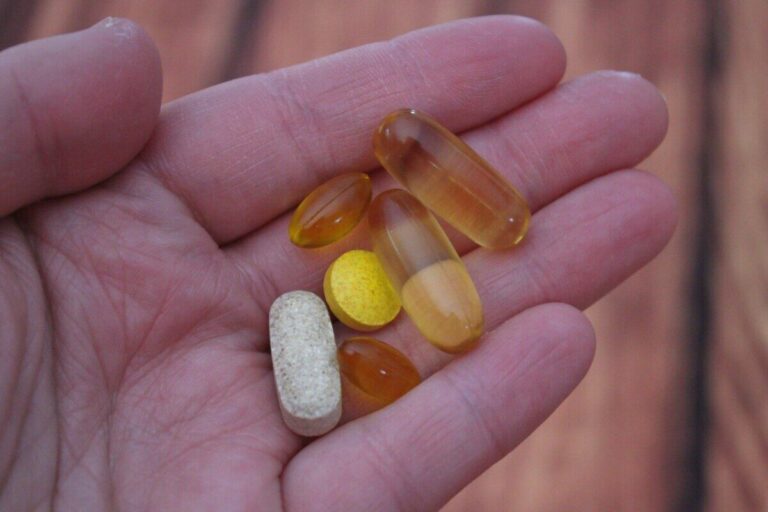
Dietary choices during vacation periods play a significant role in how the body handles systemic stress. Many individuals turn to Thorne Magnesium Bisglycinate to support cellular energetics. Magnesium acts as a crucial cofactor for enzymes involved in the synthesis of ATP, the primary energy currency of cells.
Adequate levels of magnesium support the relaxation of muscular and nervous system tissue. This provides a sense of physical ease that offsets the tension accumulated during standard work cycles. When the body possesses sufficient micronutrient status, it manages the metabolic demands of relaxation more efficiently without experiencing fluctuations in blood sugar or irritability.
Focusing on whole-food sources of nutrients alongside appropriate supplementation helps ensure the body remains in an optimal state. For instance, incorporating Nordic Naturals Ultimate Omega provides EPA and DHA. These essential fatty acids are integrated into cell membranes, altering fluidity and signaling properties that influence cognitive function. A stable membrane environment promotes smoother communication between neurons, leading to a subjectively clearer mental state.
| Nutrient | Primary Function | Impact on Reset |
|---|---|---|
| magnesium glycinate | ATP synthesis support | promotes physical muscle relaxation |
| omega-3 fatty acids | cell membrane integrity | supports stable cognitive signaling |
Water serves as the medium for every biochemical reaction within the human body. During warmer months, increased ambient temperatures elevate the rate of transdermal water loss. Failure to replace these fluids leads to a state of mild dehydration that can negatively impact focus and perceived physical well-being.
Electrolytes such as sodium, potassium, and chloride are lost alongside water through perspiration. These minerals are vital for maintaining the membrane potential of nerves and muscles. A disruption in this electrical balance limits the efficiency of neural transmissions, which may present as mental fatigue or reduced capacity for complex tasks.
Staying hydrated requires more than just water consumption; it requires the presence of minerals to facilitate absorption. Utilizing a high-quality electrolyte solution like LMNT Electrolyte Drink Mix helps maintain proper cellular hydration. This intake ensures that the cardiovascular system and the nervous system function without the added stress of fluid deficits during the summer months.
The transition between sympathetic and parasympathetic states is often hindered by the persistence of high-intensity cognitive work. Intentionally engaging in activities that emphasize the parasympathetic nervous system allows the body to shift into recovery mode. This includes practices such as rhythmic breathing or slow-paced movement.
Autonomic regulation is heavily influenced by the vagus nerve. By engaging in slow, deep breathing, individuals can physically stimulate the vagus nerve to reduce heart rate and lower systemic inflammation markers. This physiological shift promotes a sense of safety and calm, which is essential for a true mental reset.
Chronic elevation of stress markers often leads to a state of persistent hyper-arousal. Health agencies have identified the long-term impact of unchecked stress on multiple organ systems. Implementing daily periods of “quiet wakefulness” allows the body to dampen these sympathetic responses and conserve vital resources.
Exercise is often viewed through the lens of performance or aesthetic outcomes. During a mental reset, however, the intent shifts toward movement that promotes lymphatic flow and blood oxygenation. Low-impact activities like walking or swimming allow for metabolic waste removal without placing excessive stress on the musculoskeletal system.
This type of movement aids in the clearance of byproducts that accumulate during periods of intense activity. By stimulating circulation, you facilitate the delivery of nutrients to tissues that require restoration. The physical sensation of improved blood flow often accompanies a reduction in feelings of mental stiffness or frustration.
Incorporating Garden of Life Vitamin D3 can further support the systemic benefits of being active outdoors. Vitamin D3 plays a critical role in bone health and immune function, both of which are bolstered by consistent, intentional movement. Combining these habits creates a synergistic effect that enhances the efficacy of any vacation period.
Light exposure sets the timing for your internal circadian pacemaker. By providing consistent inputs at the right time of day, you optimize the synthesis of hormones that govern alertness and restoration, which leads to improved focus.
Magnesium is involved in hundreds of enzymatic reactions, including those related to cellular energy and nervous system balance. Supplemental magnesium helps facilitate the physical relaxation of tissues that may have been under chronic stress.
Yes, even minor drops in hydration status can affect neural conductivity and signaling. Ensuring adequate water and electrolyte intake helps maintain the stable cellular environment required for consistent cognitive performance and emotional stability.
Successfully resetting during the summer relies on synchronizing your biological rhythms with the environment and providing your cells with the building blocks they need to thrive. By focusing on light, movement, and hydration, you create the conditions for genuine rest and long-term resilience.
This information is provided for educational purposes and does not replace professional medical guidance. Always check with a qualified professional before starting a new supplement regimen, especially if you are managing pre-existing health conditions or taking regular medication.
To begin your reset today, start by scheduling a fixed time for early morning outdoor light exposure to help anchor your circadian rhythm.
Get Your FREE Ultimate Vitamin Guide!
Join the VitaminProGuide community to receive science-backed supplement reviews, nutritional insights, and absorption tips, delivered straight to your inbox.
Vitaminproguide.com is reader-supported. When you buy through links on our site, we may earn an affiliate commission at no extra cost to you. As an Amazon Associate, we earn from qualifying purchases. Read our full disclosure.