Physical Address
304 North Cardinal St.
Dorchester Center, MA 02124
Physical Address
304 North Cardinal St.
Dorchester Center, MA 02124
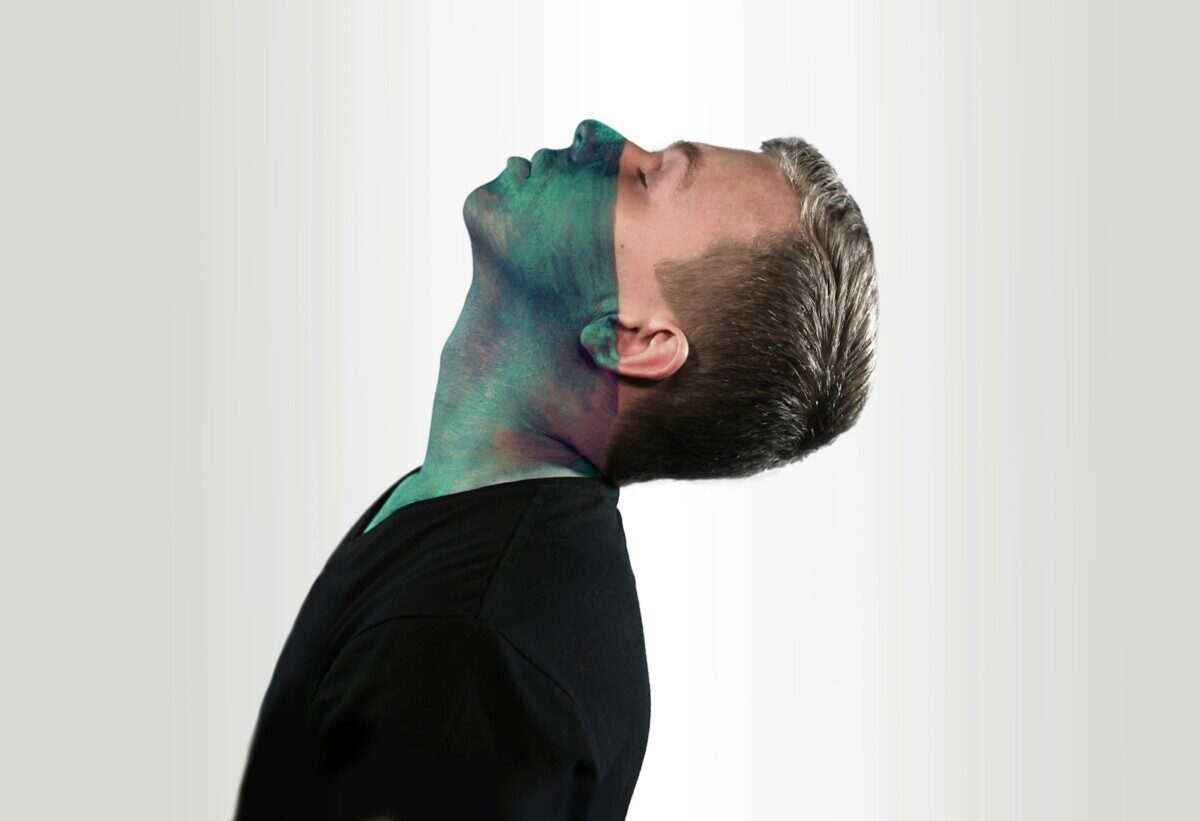
The sensation of ear congestion often originates outside the auditory canal itself. When the joint connecting the jaw to the skull becomes dysfunctional, it triggers a chain of events that manifests as deep pressure within the ear. This connection is not merely incidental but rooted in the shared anatomical pathways of the head and neck region.
Many individuals report a feeling of pressure or blockage that fluctuates throughout the day. This phenomenon is frequently linked to muscular tension and joint misalignment. The proximity of the temporomandibular joint to the delicate structures of the middle ear creates a unique environment where minor shifts in jaw alignment can influence auditory comfort.
The primary mechanism driving this sensation involves the compression of the eustachian tube and the over-activation of muscles that regulate ear pressure. As the jaw joint struggles to function, the inflammatory response and muscular guarding behavior create a sensation of muffled hearing or fluid buildup despite the ear actually being free of obstruction.
The temporomandibular joint is situated just inches away from the external auditory meatus. Because these two structures share a common nerve supply and muscle group, sensory input from the jaw can easily be misinterpreted by the brain as coming from the ear. This phenomenon is known as referred sensation, where the origin point is physically distinct from the location of the discomfort.
Nerves such as the auriculotemporal nerve branch off from the trigeminal nerve and serve both the jaw joint and the ear canal. When the joint is irritated, the nerves signal a state of distress that the brain interprets as fullness or buzzing in the ear. This helps you manage your sensory environment by identifying whether the source of discomfort is truly auditory or skeletal.
Ligaments, specifically the discomalleolar ligament, physically connect the jaw joint to the ear ossicles. Movement of the joint exerts physical pull on these structures, which alters the sound conduction pathway in the middle ear. You experience this as a mechanical blockage because the movement of your ear bones is subtly restricted, muffling the sounds you hear.
Research published by the National Institute of Dental and Craniofacial Research suggests that chronic jaw issues often lead to secondary ear symptoms. By stabilizing the joint, you minimize the physical pull on the middle ear components. This creates a state of balanced auditory feedback where sounds return to their normal intensity.
The eustachian tube is responsible for balancing pressure between the middle ear and the external environment. Its opening and closing are controlled by the tensor veli palatini and the levator veli palatini muscles. These muscles are neurologically linked to the muscles used for chewing and jaw stability.
When the jaw remains in a state of chronic tension, the muscles responsible for opening the eustachian tube become fatigued or hypertonic. A failure to open the tube correctly results in a pressure imbalance, which you feel as a vacuum-like sensation inside the ear. This pressure difference explains why you might feel an urge to pop your ears, even when the physiological cause is a tight jaw rather than altitude changes.
Nutritional support often focuses on relaxing these muscle groups to restore normal function. For instance, Doctor’s Best High Absorption Magnesium may support overall muscular relaxation. When muscles remain supple, the eustachian tube operates with less resistance, allowing you to maintain pressure equilibrium effortlessly throughout the day.
In addition to magnesium, maintaining adequate levels of hydration is essential for soft tissue health. Proper systemic fluid balance prevents the sensitization of connective tissues around the ear. You gain the benefit of improved ear comfort as the connective tissues surrounding the auditory canal maintain their natural elasticity.
Persistent jaw dysfunction often induces a low-grade inflammatory state in the surrounding connective tissues. Cytokines and other inflammatory signaling molecules can irritate the soft tissue lining of the ear canal. This results in localized edema, which reduces the diameter of the canal and creates a persistent feeling of blockage.
The nervous system often heightens its sensitivity in response to chronic inflammation. This increased sensory awareness makes you more sensitive to the physical presence of the eustachian tube and the movement of the jaw. By reducing systemic inflammation, you lower the threshold for this discomfort to manifest as ear pressure.
Supplementing with high-quality lipids can support a normal inflammatory response. For example, Nordic Naturals Ultimate Omega provides essential EPA and DHA that help regulate the cellular environment. You achieve a more stable inflammatory baseline as these lipids support cellular membrane integrity in the joint and ear area.
The proximity of the parotid gland to the jaw joint adds another layer of complexity. If the joint remains inflamed, the gland may become congested, contributing to the sensation of swelling in the ear region. Reducing this swelling helps you regain a sense of clarity in your hearing as the soft tissues return to their standard volume.
Choosing the right nutritional tools requires understanding how different compounds interact with muscle and connective tissue health. The following table compares common approaches used to support overall joint and muscle stability.
| Compound | Primary Focus | Common Application |
|---|---|---|
| magnesium glycinate | muscle relaxation | reducing jaw-related muscle tension |
| fish oil (omega-3) | inflammation management | supporting healthy soft tissue levels |
Managing the way you hold your jaw can significantly reduce the pressure in your ears. Many people unconsciously clench or grind their teeth, especially during periods of high concentration or stress. This constant pressure ensures that the jaw joint is never allowed to recover, which keeps the muscles around the eustachian tube in a state of exhaustion.
Implementing a routine to track jaw position can be helpful. Periodically checking to see if your teeth are touching when your mouth is closed allows you to consciously relax your masseter muscles. By keeping your jaw in a resting position, you ensure that the secondary muscles of the ear canal remain relaxed. This leads to a reduction in the sensation of fullness as the eustachian tube recovers its normal function.
External support can also play a role in managing physical tension. Products like Thorne Vitamin D3 are often utilized to support overall skeletal and muscular health. Adequate vitamin D3 status is essential for bone density and joint function, which indirectly impacts the stability of the entire craniomandibular system. You notice a change in your ability to maintain relaxed jaw posture as your baseline vitamin levels are optimized.
It is also worth noting that postural changes during sleep can influence jaw pressure. Sleeping on your side may put direct pressure on the jaw joint and the ear. Experimenting with different pillow configurations to support the neck without putting pressure on the jaw can prevent the buildup of irritation overnight. This simple change allows you to wake up with fewer symptoms of ear fullness.
While TMJ issues often cause a sensation of muffled hearing or fullness, they do not typically cause true clinical hearing loss. Most individuals find that their hearing returns to normal once the jaw tension is addressed.
The duration varies significantly based on how long the jaw joint has been symptomatic. Consistent management of muscular tension and joint alignment typically results in a gradual decrease in symptoms over several weeks.
Gentle jaw stretches and neck mobility exercises can help reduce the hypertonicity of the muscles linked to the eustachian tube. It is important to approach these movements carefully to avoid further irritation of the joint.
Ear fullness linked to jaw dysfunction is a mechanical result of the close anatomical and neurological relationship between the temporomandibular joint and the auditory system. By focusing on reducing muscular tension and supporting healthy inflammatory pathways, many individuals notice a significant reduction in the sensation of pressure. Restoring balance to these structures allows for better comfort and auditory clarity.
This content is provided for informational purposes only and does not constitute medical advice, diagnosis, or recommendation for any health condition. Always consult with a qualified professional regarding specific symptoms or persistent discomfort in the head and neck area to ensure an accurate assessment.
To begin addressing your specific needs, consult with a professional to evaluate your jaw alignment and muscle tension patterns. Small, consistent changes in postural habits and targeted nutritional support often serve as the most effective starting point for long-term comfort.
Get Your FREE Ultimate Vitamin Guide!
Join the VitaminProGuide community to receive science-backed supplement reviews, nutritional insights, and absorption tips, delivered straight to your inbox.
Vitaminproguide.com is reader-supported. When you buy through links on our site, we may earn an affiliate commission at no extra cost to you. As an Amazon Associate, we earn from qualifying purchases. Read our full disclosure.