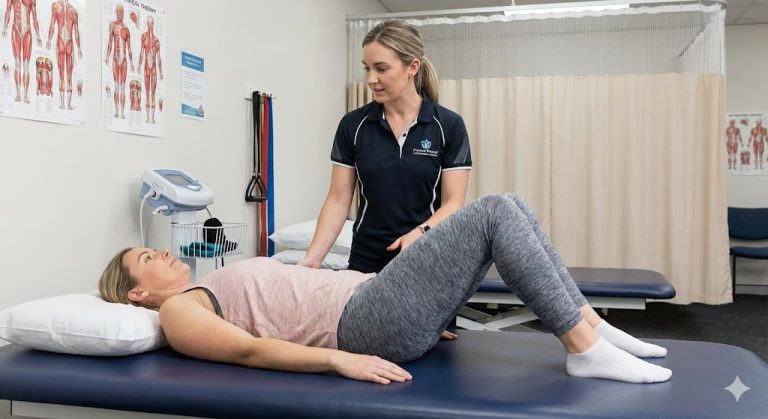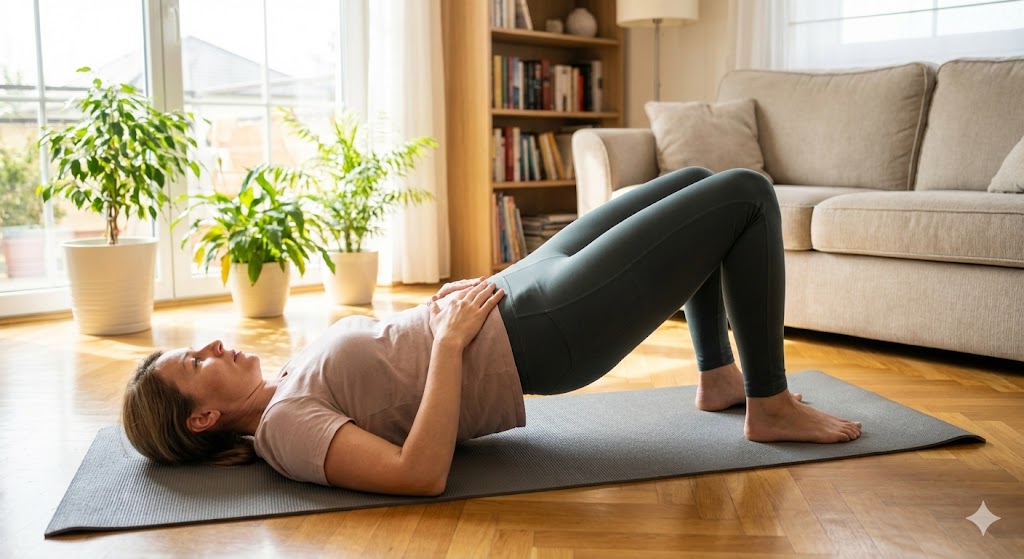
Strengthening the pelvic floor is essential for overall core stability and can significantly improve quality of life. My review of various pelvic floor exercises reveals their importance in supporting the bladder, uterus, and rectum. These muscles work together to provide support and control. Engaging in targeted exercises can lead to better posture, reduced back pain, and enhanced sexual function.
The data surrounding pelvic floor health highlights its role in preventing issues such as incontinence and pelvic organ prolapse. Many individuals overlook these muscles, leading to a range of complications. My analysis indicates that consistent training can yield profound benefits, making it a vital focus for many.
Several exercises specifically target the pelvic floor, each with unique benefits and methodologies. Understanding the distinction between various techniques is key to maximizing effectiveness. I encourage individuals to incorporate these exercises into their routines, as the long-term advantages far outweigh the initial effort.
In my review, I found that education on pelvic floor exercises is often lacking. Many people do not realize how essential these muscles are to core strength and overall health. It is crucial to create awareness and promote these exercises for better health outcomes.
Core Applications of Pelvic Floor Exercises
- Perform exercises 3-4 times a week for optimal results.
- Include both quick contractions and longer holds for comprehensive training.
- Incorporate breathing techniques to enhance muscle engagement.
- Consult a healthcare provider if you experience discomfort during exercises.
The Preparation
Before starting any pelvic floor exercise regimen, proper preparation is vital. Begin by identifying the pelvic floor muscles. These muscles can be located by stopping urination mid-flow. Once identified, practice contracting and relaxing these muscles. This awareness will enhance the effectiveness of subsequent exercises.
Creating a comfortable environment is also essential. Choose a quiet space where you can focus without distractions. Consider using a yoga mat for added comfort during floor exercises. Ensuring you are relaxed and at ease will facilitate better muscle engagement.
Establish a routine that fits your lifestyle. Morning or evening sessions can be effective, depending on personal preference. Consistency is key to achieving results, so find a time that works best for you.
The Adjustment Phase
As you begin performing pelvic floor exercises, focus on mastering the basic contractions. Start with short holds, gradually increasing the duration as strength improves. Aim for 5-second holds, followed by a 5-second rest. This will help build endurance over time.
Incorporate variations to challenge your muscles further. Side-lying leg lifts or bridging exercises can engage the pelvic floor while working other muscle groups. This approach not only strengthens the pelvic floor but also enhances overall core stability.
Monitor your progress regularly. Keep a journal to record your experiences and any improvements in strength or comfort. This can provide motivation and help identify areas needing adjustment.
Long-Term Management
Once you have established a routine, focus on maintaining your progress. Continue to challenge your pelvic floor with advanced exercises such as squats or lunges that require core stabilization. These compound movements can further enhance strength and coordination.
Consider integrating pelvic floor exercises into daily activities. Engaging these muscles while walking or standing can help reinforce strength. This functional approach ensures that the pelvic floor remains strong in various situations.
Regular check-ins with a healthcare provider can help assess progress and make necessary adjustments. They can provide guidance on advanced techniques or modifications based on individual needs.
Pelvic Floor Health and Its Biological Impact
The role of the pelvic floor in supporting internal organs is crucial for overall health. These muscles work to maintain continence and provide stability to the core. Proper function of the pelvic floor contributes to effective movement patterns and posture.
Research indicates that strengthening the pelvic floor can lead to significant improvements in urinary control. A study published in the Journal of Urology demonstrated that women participating in pelvic floor muscle training experienced a marked reduction in incontinence episodes. This highlights the importance of these exercises in daily life.
For further information, refer to the National Institutes of Health for comprehensive studies on pelvic floor health. Such findings underscore the necessity of including pelvic floor exercises in fitness routines.
Common Mistakes in Pelvic Floor Training
Overlooking proper technique is a common mistake that can hinder progress. Many individuals perform exercises without fully engaging the pelvic floor muscles. This can lead to ineffective workouts. Focus on muscle awareness and correct form to maximize results.
Another error is neglecting the importance of breathing. Holding the breath during contractions can create unnecessary tension. Incorporate controlled breathing to promote relaxation and enhance muscle engagement during exercises.
Failing to be consistent is a key mistake. Infrequent practice will not yield the desired strength or control. Establish a regular routine to ensure long-term benefits and improvements in pelvic floor health.
Pelvic Floor Exercises Key Comparisons
| Factor | Observation | Typical Result |
|---|---|---|
| Muscle Engagement | Improper technique | Minimal strength improvement |
| Breathing Technique | Holding breath | Increased tension and discomfort |
| Consistency | Irregular practice | Limited progress |
Enhancing Results Through Lifestyle Adjustments
To maximize the benefits of pelvic floor exercises, consider integrating lifestyle adjustments. Maintaining a healthy weight can reduce pressure on the pelvic floor. This, in turn, enhances muscle function and overall stability.
Staying hydrated is also essential. Adequate fluid intake supports urinary health and can prevent unnecessary strain on the pelvic floor. Encourage a balanced diet rich in fiber to promote digestive health and reduce constipation, which can negatively impact pelvic floor strength.
Who Should Avoid This?
- Individuals with pelvic pain should consult a healthcare provider before starting exercises. They may need alternative approaches to avoid exacerbating discomfort.
- Those who have recently undergone pelvic surgery should refrain from exercises until cleared by a physician. This ensures proper healing and avoids complications.
- People experiencing severe incontinence may require specialized treatment. It is crucial to address underlying issues before beginning a pelvic floor exercise regimen.
- Pregnant women should seek guidance from a healthcare provider regarding appropriate exercises. Modifications may be necessary to ensure safety and comfort.
Final Take
- My Honest Assessment: Pelvic floor exercises are genuinely worth the effort for anyone seeking core strength.
- The Smart Play: Start incorporating these exercises into your routine gradually.
- Final Word: Investing in pelvic floor health can lead to significant improvements in overall well-being.
Common Questions
What are pelvic floor exercises?
These exercises strengthen the muscles that support the bladder, uterus, and rectum. They help improve control and overall pelvic health.
How often should I perform pelvic floor exercises?
Aim for three to four times a week for optimal results. Consistency is key to building strength and endurance.
Can men perform pelvic floor exercises?
Yes, men can benefit from pelvic floor exercises. They help improve bladder control and sexual function.
What should I do if I experience pain during exercises?
If you experience pain, stop the exercises and consult a healthcare provider. They can help identify the cause and recommend appropriate modifications.
Get Your FREE Ultimate Vitamin Guide!
Join the VitaminProGuide community to receive science-backed supplement reviews, nutritional insights, and absorption tips, delivered straight to your inbox.