Physical Address
304 North Cardinal St.
Dorchester Center, MA 02124
Physical Address
304 North Cardinal St.
Dorchester Center, MA 02124
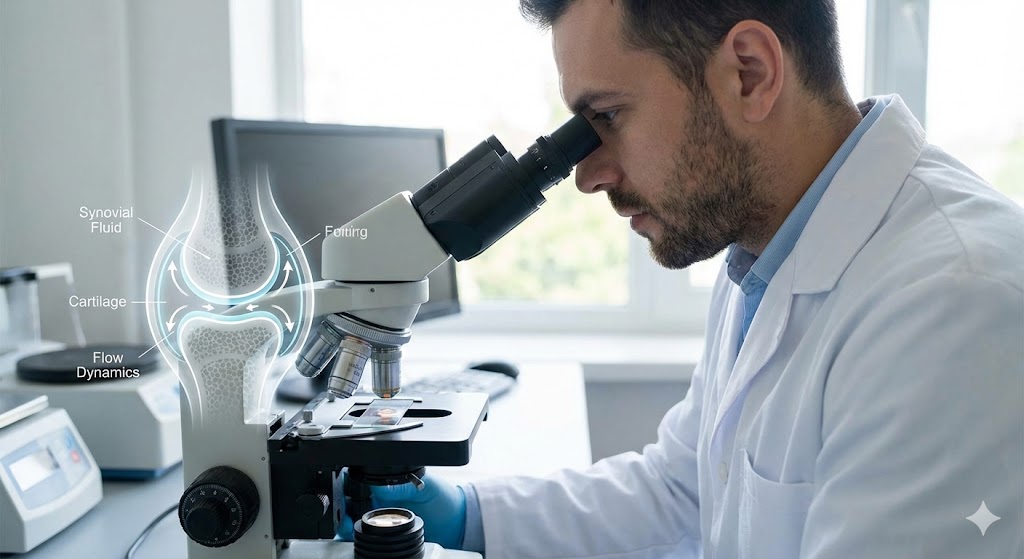
The study of synoviocyte lubrication mechanisms reveals how specialized cells maintain the fluid environment within our joints. These cells reside in the synovial membrane, a thin layer of tissue that lines the inner surface of joint capsules. By secreting essential components into the synovial fluid, they ensure that surfaces glide past one another with minimal friction.
At the cellular level, these cells function as both producers and regulators. They synthesize large molecules, such as hyaluronic acid and lubricin, which are critical for the viscosity and protective properties of the joint environment. When these processes function optimally, the structural integrity of the cartilage is better preserved against mechanical stress.
In essence, these mechanisms provide the necessary chemical environment to reduce wear and tear during movement. By maintaining the proper consistency of joint fluid, they help individuals experience smoother range of motion and reduced stiffness during daily activities. Understanding this process highlights the importance of cellular health in supporting long-term physical comfort.
Synoviocyte lubrication mechanisms represent a complex interplay of cellular secretion and fluid dynamics that dictate the functional longevity of human joint spaces.
The primary function of the synovial membrane involves the continuous production of hyaluronic acid. This long-chain molecule acts as a lubricant and a shock absorber, effectively thickening the synovial fluid to prevent it from thinning out under high pressure. When the concentration of this molecule is sufficient, the fluid exhibits non-Newtonian properties, meaning it becomes more viscous when subjected to sudden impact.
Research indicates that the molecular weight of hyaluronic acid is just as important as its total concentration. High-molecular-weight variants are particularly effective at coating the surface of the cartilage, creating a protective barrier that minimizes friction. This biological coating is a fundamental aspect of how the body manages mechanical load during walking, running, or lifting.
When the synovial fluid maintains an ideal density, individuals often notice that their joints feel more fluid and less prone to “catching” or stiffness. This viscoelasticity acts like a cushion, absorbing the energy of each step so that the underlying bone and cartilage do not bear the full brunt of the impact. It is the difference between walking on a hard floor versus a cushioned mat.
Maintaining this internal environment often starts with adequate hydration and the intake of essential nutrients that support connective tissue health. For instance, the National Institutes of Health notes that Vitamin C is a vital cofactor for collagen synthesis, which indirectly supports the structural framework of the joint capsule. Providing the body with these building blocks can help support the natural production of joint-lubricating compounds.
If the fluid becomes too thin, the mechanical friction between joint surfaces increases, which can lead to a sensation of discomfort or restricted mobility. By focusing on a nutrient-dense diet that supports systemic health, individuals may help their bodies maintain the necessary raw materials for optimal synovial fluid production. This proactive approach is a cornerstone of long-term physical wellness.
While hyaluronic acid provides bulk viscosity, a protein called lubricin handles boundary lubrication. This molecule anchors itself to the surface of the cartilage, creating a slippery, hydrated interface that prevents the surfaces from sticking together. Without this specific protein, the coefficient of friction within the joint would rise significantly, leading to rapid surface degradation.
The synthesis of lubricin is highly sensitive to the mechanical environment of the joint. When joints are moved through a full range of motion, the cells are stimulated to produce more of this protective protein. This feedback loop ensures that the joint is prepared for the specific demands placed upon it by the individual’s activity level.
The presence of lubricin is what allows for smooth articulation, ensuring that even under heavy loads, the cartilage surfaces glide past one another without damage. This is particularly beneficial for those who engage in regular exercise, as it provides a biological safety net that protects the joint from the wear associated with repetitive motion. It essentially acts as a molecular “Teflon” coating.
When this protective layer is robust, the joint longevity is significantly enhanced, allowing for years of comfortable movement. Many individuals find that incorporating low-impact movement, such as swimming or cycling, helps stimulate the production of these lubricants without placing excessive stress on the joint. This balance between activity and rest is key to keeping the lubrication system functioning at its peak.
Understanding the importance of this protein helps clarify why movement is often recommended for joint health. By keeping the joint active, the body is signaled to maintain the boundary layer, which keeps the surfaces protected and functional. It is a classic example of the “use it or lose it” principle applied to cellular biology.
The following table outlines the distinct roles of the primary components involved in maintaining the joint environment.
| Component | Primary Function | Physical Benefit |
|---|---|---|
| Hyaluronic Acid | Viscosity and shock absorption | Reduces impact stress on cartilage |
| Lubricin | Boundary lubrication | Prevents surface-to-surface friction |
Systemic inflammation can alter the behavior of synoviocytes, shifting them from a state of maintenance to a state of reactivity. When the body is under chronic stress, these cells may produce enzymes that break down the very lubricants they are meant to create. This shift can lead to a decrease in the quality of the synovial fluid, making the joint environment less protective.
Managing systemic inflammation is therefore a critical component of supporting joint health. By focusing on lifestyle factors that reduce oxidative stress, such as adequate sleep and a balanced diet, the cellular environment remains more stable. This stability allows the synoviocytes to focus on their primary role of maintaining the joint’s fluid dynamics.
When inflammation is kept in check, the cellular homeostasis of the joint is preserved, which translates to a more comfortable daily experience. Individuals often report that when they prioritize anti-inflammatory habits, their joints feel less reactive to changes in weather or activity levels. This is a direct result of the synovial fluid maintaining its ideal chemical composition.
Research from institutions like the University of California, San Francisco suggests that the interplay between diet and cellular health is profound, particularly regarding the regulation of inflammatory markers. By choosing foods rich in omega-3 fatty acids and antioxidants, one may support the body’s ability to keep synoviocytes in a healthy, productive state. This is a practical way to influence the internal environment through daily choices.
Ultimately, the goal is to foster an environment where the lubrication mechanisms can operate without interference. When the body is not preoccupied with managing systemic stress, it can dedicate more resources to the maintenance of joint tissues. This leads to a more resilient physical state that supports an active and fulfilling lifestyle.
Adequate hydration is essential for maintaining the volume and viscosity of synovial fluid, as water is a primary component of the joint’s lubricating matrix.
Yes, regular, low-impact movement stimulates synoviocytes to produce more lubricants, which helps maintain the protective coating on cartilage surfaces.
Hyaluronic acid provides bulk viscosity and shock absorption, while lubricin acts as a boundary lubricant to prevent direct contact between cartilage surfaces.
The health of our joints relies heavily on the precise secretion of lubricants by synoviocytes, which maintain the necessary fluid dynamics for pain-free movement. By supporting these cellular processes through balanced nutrition and consistent, low-impact activity, individuals can help preserve the structural integrity of their joints over time.
This information is for educational purposes only and does not constitute medical advice, diagnosis, or treatment. Individuals who are pregnant, breastfeeding, managing a chronic health condition, or taking prescription medications should consult with a qualified clinician before making significant changes to their wellness protocols.
To support joint health, consider incorporating a variety of whole foods rich in antioxidants and omega-3 fatty acids into your daily routine while maintaining a consistent, moderate exercise schedule.
Get Your FREE Ultimate Vitamin Guide!
Join the VitaminProGuide community to receive science-backed supplement reviews, nutritional insights, and absorption tips, delivered straight to your inbox.
Vitaminproguide.com is reader-supported. When you buy through links on our site, we may earn an affiliate commission at no extra cost to you. As an Amazon Associate, we earn from qualifying purchases. Read our full disclosure.