Physical Address
304 North Cardinal St.
Dorchester Center, MA 02124
Physical Address
304 North Cardinal St.
Dorchester Center, MA 02124
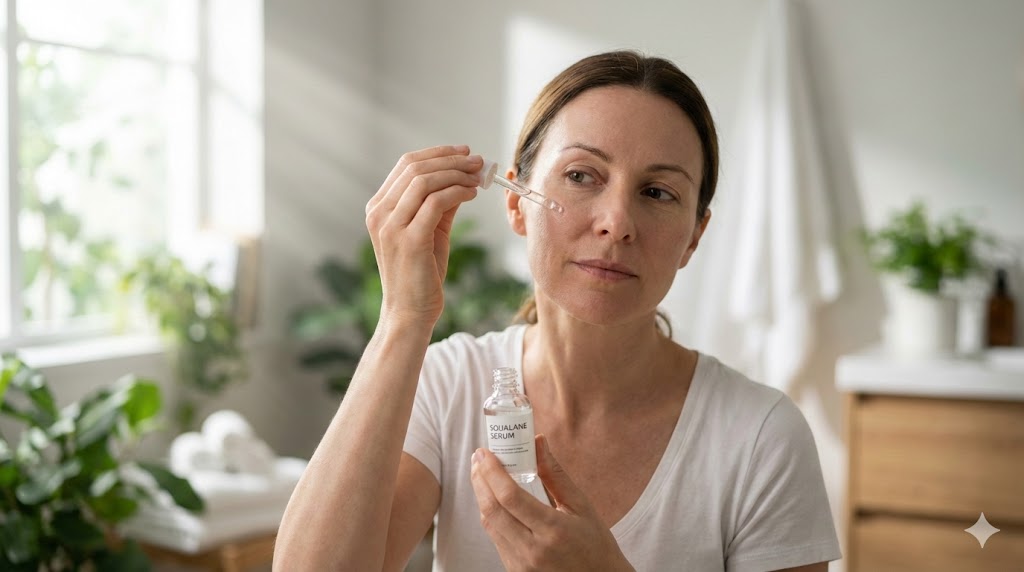
Understanding squalane vs squalene oxidation rates is essential for anyone looking to optimize their topical wellness routine. While these two compounds share a similar name and chemical origin, their stability profiles differ significantly due to their molecular structure. This distinction dictates how they interact with the environment and, ultimately, how they perform when applied to the skin.
Squalene is a natural lipid produced by the sebaceous glands in human skin, acting as a key component of our protective barrier. However, in its raw, unsaturated form, it is highly susceptible to environmental stressors. Squalane, the hydrogenated derivative, is engineered to overcome these stability limitations, providing a more durable option for long-term storage and application.
The primary difference lies in the presence of double bonds within the molecule. Squalene contains six double bonds, making it prone to oxidative damage, whereas squalane is fully saturated, rendering it chemically inert and highly resistant to rancidity. This structural change is the reason why one is often preferred for shelf-stable formulations while the other is valued for its biological mimicry.
Understanding the chemical stability of lipids helps in selecting ingredients that maintain their integrity over time rather than degrading into potentially irritating byproducts.
Analyzing squalane vs squalene oxidation rates reveals that saturation is the primary determinant of shelf-life and chemical stability in lipid-based topical applications.
Lipid oxidation is a process where oxygen reacts with unsaturated fatty acids or hydrocarbons, leading to the formation of peroxides and other degradation products. In the case of squalene, the six double bonds act as “hot spots” for this reaction. When these bonds break down, the molecule loses its original structure, which can change its texture, scent, and potential interaction with the skin surface.
This degradation is not merely a cosmetic concern; it is a fundamental chemical reality. When lipids oxidize, they can form free radicals, which are unstable molecules that may interact with healthy cells. By choosing a saturated form, individuals can avoid the rapid breakdown that occurs with raw, unsaturated lipids, ensuring the product remains consistent from the first use to the last.
The process of hydrogenation is a standard industrial technique used to convert unstable, unsaturated fats into stable, saturated ones. By adding hydrogen atoms to the double bonds, the molecule becomes chemically “full” and no longer has the reactive sites that oxygen targets. This creates a stable barrier that does not easily turn rancid or lose its efficacy over time.
For the user, this means that a product containing a saturated lipid will maintain its consistency and performance even after the bottle has been opened and exposed to air. You do not have to worry about the product changing its chemical profile or becoming less effective due to environmental exposure. It provides a reliable, predictable experience that is essential for daily wellness routines.
When you apply a stable lipid, you are essentially providing your skin with a consistent, protective layer that mimics natural sebum without the risk of oxidative stress. This allows the skin to retain moisture effectively while avoiding the potential irritation that can sometimes accompany the use of degraded or oxidized oils. It is a simple way to support the skin’s natural moisture-retention mechanisms.
To understand the difference, it is helpful to look at how these molecules behave under stress. Squalene is highly reactive, which is beneficial in a biological context where it acts as an antioxidant within the skin’s own sebum. However, once extracted and placed in a bottle, that same reactivity becomes a liability, as it begins to react with the oxygen in the air almost immediately.
Squalane, by contrast, is a stable hydrocarbon. It is often derived from plant sources like olives or sugarcane, though it can also be sourced from other lipids. Because it lacks the reactive double bonds, it is essentially immune to the oxidation that plagues its unsaturated counterpart. This makes it a staple in formulations where longevity and safety are the primary goals.
When selecting a product, the shelf-life of the ingredient is a major factor in how it performs on your skin. A stable lipid ensures that you are applying the same quality of material every single day, rather than a substance that has been slowly degrading in your cabinet. This consistency is vital for maintaining a steady, non-irritating routine.
Furthermore, the sensory experience of using a stable lipid is often superior. Oxidized oils can develop an unpleasant odor or a tacky, heavy texture that feels uncomfortable on the skin. By using a saturated form, you ensure that the product remains lightweight and odorless, which makes it much easier to incorporate into a daily regimen without any unwanted side effects.
Finally, the safety profile of a stable ingredient is generally more predictable. Because it does not break down into secondary oxidation products, there is a lower likelihood of experiencing skin sensitivity or redness. This makes it a preferred choice for those who are mindful of how their skin reacts to various environmental and chemical stressors.
| Feature | Squalene | Squalane |
|---|---|---|
| Chemical Structure | Unsaturated (6 double bonds) | Saturated (0 double bonds) |
| Oxidation Rate | High | Negligible |
| Stability | Low (requires refrigeration/stabilizers) | High (shelf-stable) |
The skin barrier is a complex system that relies on a balance of lipids to keep moisture in and irritants out. Research published by the National Institutes of Health highlights the importance of maintaining lipid integrity to support overall skin health. When the natural lipid barrier is compromised, it can lead to increased transepidermal water loss, which is the physical sensation of tightness or dryness.
While the body produces its own squalene, external factors such as UV exposure and pollution can accelerate the oxidation of these natural lipids. This is where the application of stable, exogenous lipids can be beneficial. By providing a stable, non-oxidizing barrier, you help the skin maintain its natural hydration levels without adding the burden of reactive, unstable compounds.
Using a stable lipid can help lock in moisture, which is the primary benefit for those dealing with dry or dehydrated skin. By creating a thin, breathable film, you prevent water from evaporating too quickly, leaving your skin feeling plump and hydrated throughout the day. This is a simple, effective way to support your skin’s natural defenses.
Additionally, because these stable lipids are non-comedogenic, they are less likely to clog pores compared to heavier, more reactive oils. This makes them a versatile choice for various skin types, as they provide nourishment without the heavy, greasy feeling that often leads to breakouts. It is a balanced approach to hydration that respects the skin’s natural biology.
For those interested in the broader science of skin lipids, the American Academy of Dermatology provides extensive resources on how different substances interact with the skin barrier. Understanding these interactions allows you to make more informed choices about your wellness protocols, ensuring that you are using ingredients that support, rather than disrupt, your skin’s natural state.
Squalane is generally considered well-tolerated by most individuals due to its similarity to the skin’s natural lipids and its high level of chemical stability.
Because it is a fully saturated molecule, squalane is highly resistant to oxidation and does not break down under normal storage conditions like unsaturated oils do.
While squalene is a natural component of skin, it is rarely used in topical products due to its extreme instability and tendency to oxidize rapidly when exposed to air.
The primary difference between these two compounds is that squalane is a stable, saturated version of the naturally occurring, but highly reactive, squalene. By choosing the saturated form, you ensure a consistent, shelf-stable product that avoids the oxidative degradation associated with unsaturated lipids.
This information is for educational purposes only and does not constitute medical advice. Individuals who are pregnant, breastfeeding, managing a chronic health condition, or taking prescription medications should consult with a qualified clinician before introducing new substances into their wellness routine.
To begin, look for products that specify the use of stable, saturated lipids in their ingredient lists to ensure you are receiving the most consistent and effective support for your skin barrier.
Get Your FREE Ultimate Vitamin Guide!
Join the VitaminProGuide community to receive science-backed supplement reviews, nutritional insights, and absorption tips, delivered straight to your inbox.
Vitaminproguide.com is reader-supported. When you buy through links on our site, we may earn an affiliate commission at no extra cost to you. As an Amazon Associate, we earn from qualifying purchases. Read our full disclosure.