Physical Address
304 North Cardinal St.
Dorchester Center, MA 02124
Physical Address
304 North Cardinal St.
Dorchester Center, MA 02124
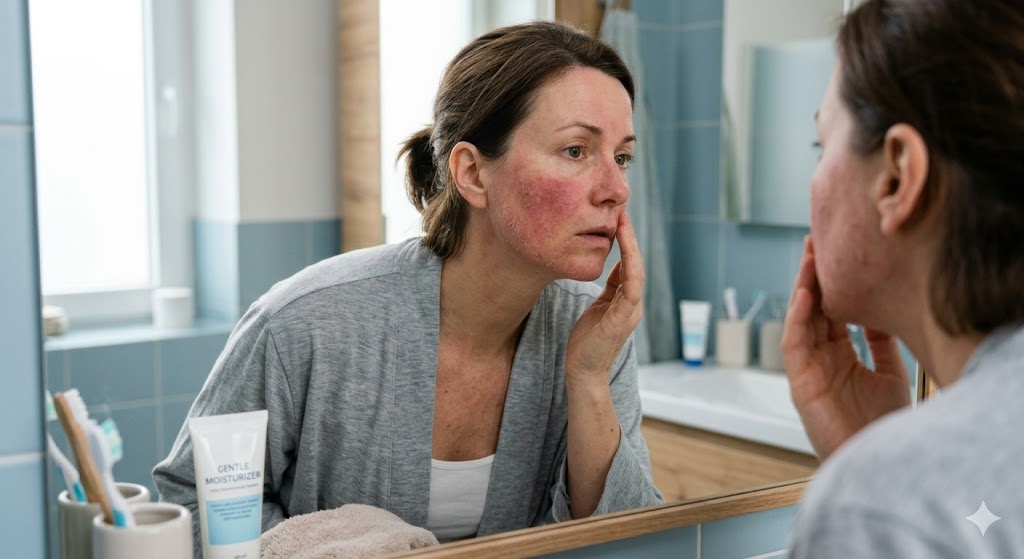
Learning how to repair moisture barrier after over-exfoliation requires a shift from active correction to gentle restoration. When the skin’s outermost layer, known as the stratum corneum, is stripped of its natural lipids and protective proteins, it loses the ability to retain water and defend against environmental stressors.
This protective shield acts like a brick-and-mortar wall, where skin cells are the bricks and essential fatty acids and ceramides serve as the mortar. When this structure is compromised through excessive use of chemical acids or physical scrubs, the resulting transepidermal water loss can lead to persistent redness, stinging, and a tight, uncomfortable sensation.
To address this, individuals should prioritize the cessation of all harsh actives and focus on replenishing the lipid matrix. By utilizing barrier-supportive ingredients and simplifying daily routines, the skin can gradually regain its natural equilibrium and resilience.
Restoring the skin’s integrity after over-exfoliation relies on prioritizing lipid replenishment and minimizing environmental exposure to allow for natural cellular recovery.
The skin barrier is a sophisticated biological system designed to maintain homeostasis by regulating water loss and preventing the entry of pathogens. Research indicates that the stratum corneum relies on a precise ratio of ceramides, cholesterol, and free fatty acids to maintain its structural integrity. When this ratio is disrupted by aggressive exfoliation, the skin’s permeability increases, leading to the sensation of heat and sensitivity.
From a metabolic perspective, the skin requires time to synthesize these lipids naturally. Providing the right topical building blocks can support this process, helping to soothe the inflammatory response that often follows over-exfoliation. This approach focuses on creating an environment where the skin can perform its own repair functions without the interference of harsh chemicals.
Humectants are molecules that attract water from the deeper layers of the skin or the environment to the surface. By incorporating ingredients like glycerin or hyaluronic acid, individuals can provide the necessary hydration to plump the skin cells, which physically reduces the feeling of tightness and discomfort.
When the barrier is damaged, the skin often feels dehydrated despite being oily or combination. Using a lightweight, water-based humectant helps to bridge the gap between a damaged state and a healthy, hydrated state, allowing the skin to feel supple rather than brittle.
It is important to apply these ingredients to damp skin to maximize their efficacy. This simple adjustment ensures that the humectant has an available water source to pull into the skin, providing an immediate sense of relief and improved texture.
While topical care is essential, the body’s ability to repair the skin barrier is also influenced by systemic nutritional status. Essential fatty acids, particularly omega-3s found in cold-water fish or flaxseeds, are critical components of the cell membrane structure. Ensuring an adequate intake of these nutrients may support the body’s internal capacity to maintain healthy skin lipids.
Furthermore, the role of micronutrients like zinc and vitamin C in collagen synthesis and tissue repair is well-documented in the clinical literature. While these nutrients do not provide an immediate fix for over-exfoliation, they contribute to the long-term structural health of the skin, making it more resistant to future damage.
Consuming healthy fats provides the raw materials necessary for the body to produce the lipids that make up the skin barrier. When the diet is rich in diverse fatty acids, the skin is better equipped to maintain its natural oil balance, which acts as a secondary defense against external irritants.
Individuals often notice that when their internal nutrition is balanced, their skin feels less reactive to environmental changes. This internal support system works in tandem with topical care to create a more robust and less sensitive complexion over time.
Focusing on whole-food sources like avocados, walnuts, and fatty fish provides a steady supply of these building blocks. This approach is a sustainable way to support skin health from the inside out, rather than relying solely on external applications.
Choosing the right ingredients is vital when the skin is in a reactive state. The following table compares common approaches to barrier support.
| Ingredient Category | Primary Benefit | Best For |
|---|---|---|
| Ceramides | Structural restoration | Repairing the lipid matrix |
| Panthenol (Vitamin B5) | Soothing and hydration | Reducing redness and irritation |
When the skin is compromised, even the act of cleansing can cause further irritation. Switching to a non-foaming, pH-balanced cleanser helps to preserve the remaining natural oils that the skin is struggling to produce on its own.
A gentle cleanser should leave the skin feeling clean but not “squeaky.” If the skin feels tight immediately after washing, the cleanser may be too harsh, which can delay the recovery process and prolong the period of sensitivity.
By prioritizing mild, fragrance-free formulas, individuals can minimize the risk of further inflammation. This simple change allows the skin to focus its energy on repair rather than defending against the surfactants found in traditional soaps.
Environmental factors such as wind, cold air, and UV radiation can significantly impede the recovery of a damaged moisture barrier. Protecting the skin with a physical barrier, such as a gentle moisturizer or a mineral-based sunscreen, helps to shield the delicate tissue from further oxidative stress.
Lifestyle habits, including adequate sleep and stress management, also play a role in how quickly the skin can regenerate. Chronic stress can elevate cortisol levels, which may influence the skin’s inflammatory response and slow down the natural healing process.
A damaged barrier is significantly more vulnerable to UV-induced damage, which can lead to hyperpigmentation and prolonged redness. Using a mineral-based sunscreen with zinc oxide or titanium dioxide is often preferred, as these ingredients are generally less irritating than chemical filters.
Applying protection daily, even on cloudy days, ensures that the skin is not subjected to unnecessary stress while it is trying to heal. This consistent protection allows the skin to focus on rebuilding its structure without the added burden of UV damage.
For those who find sunscreen irritating, wearing a wide-brimmed hat or seeking shade during peak hours provides an effective alternative. These practical steps help to maintain the skin’s integrity while the barrier repair process is underway.
Recovery time varies based on the severity of the damage and individual skin turnover rates, but many individuals notice significant improvement within two to four weeks of consistent, gentle care.
It is generally recommended to pause the use of all active ingredients, including vitamin C, until the skin no longer feels sensitive or inflamed, as these can potentially exacerbate irritation.
Signs of healing include a reduction in stinging when applying products, a decrease in visible redness, and the return of a natural, healthy-looking glow rather than a tight or flaky appearance.
Repairing the moisture barrier is a process of patience that involves removing irritants and providing the skin with the lipids and hydration it needs to heal itself. By focusing on gentle, protective care, the skin can effectively restore its natural defense system.
This information is for educational purposes only and does not constitute medical advice. Individuals who are pregnant, breastfeeding, managing a medical condition, or taking medication should seek personalized guidance from a qualified clinician before making changes to their wellness protocols.
To begin the recovery process, simplify the current skincare routine to only a gentle cleanser, a basic moisturizer, and sun protection, while avoiding all exfoliating acids and scrubs until the skin feels fully resilient.
Get Your FREE Ultimate Vitamin Guide!
Join the VitaminProGuide community to receive science-backed supplement reviews, nutritional insights, and absorption tips, delivered straight to your inbox.
Vitaminproguide.com is reader-supported. When you buy through links on our site, we may earn an affiliate commission at no extra cost to you. As an Amazon Associate, we earn from qualifying purchases. Read our full disclosure.