Physical Address
304 North Cardinal St.
Dorchester Center, MA 02124
Physical Address
304 North Cardinal St.
Dorchester Center, MA 02124
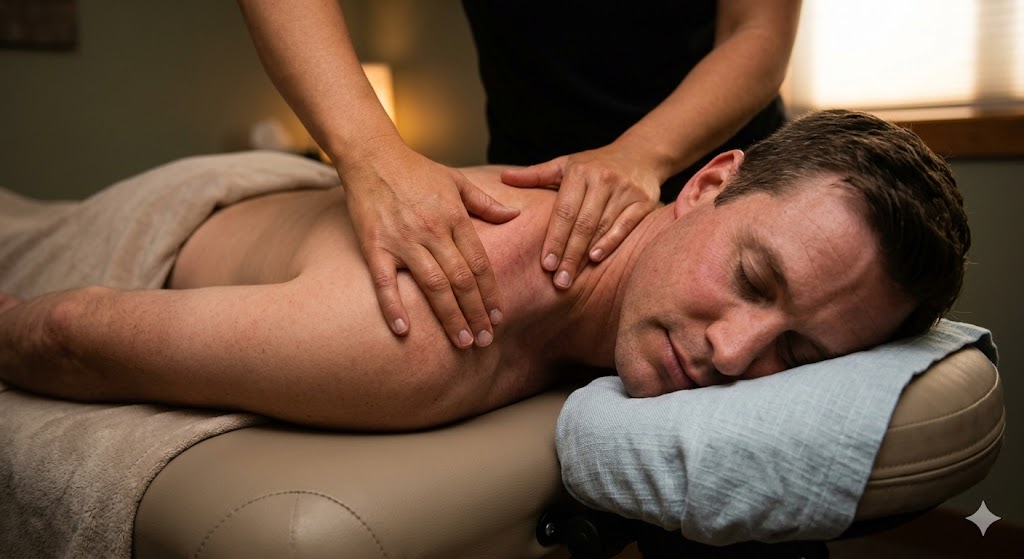
Learning how to stop muscle twitching and spasms often begins with a close examination of daily hydration and electrolyte balance. These involuntary contractions, known clinically as fasciculations, occur when motor neurons fire spontaneously, causing small groups of muscle fibers to flicker or jump beneath the skin.
While these sensations are frequently benign, they can be distracting and uncomfortable for individuals experiencing them. Understanding the underlying physiological triggers—such as localized fatigue, nervous system overstimulation, or specific nutrient gaps—is the first step toward restoring calm to the affected muscle tissue.
To address these involuntary movements, one should focus on stabilizing the cellular environment through consistent hydration, adequate mineral intake, and stress management. By addressing these foundational pillars, many individuals find that the frequency and intensity of these twitches diminish over time.
Persistent muscle activity often stems from subtle shifts in cellular signaling, which can be managed through targeted lifestyle adjustments and nutritional awareness.
Muscles rely on a precise exchange of charged particles, or electrolytes, to contract and relax efficiently. When the concentration of minerals like magnesium, calcium, and potassium falls outside of an optimal range, the electrical potential of the muscle cell membrane can become unstable, leading to the erratic firing that characterizes a twitch.
This process is governed by the sodium-potassium pump, a cellular mechanism that maintains the necessary electrical gradient for nerve impulses. When this pump is compromised due to inadequate intake or excessive loss through sweat, the muscle may struggle to return to a resting state, resulting in the sensation of a persistent spasm.
Focusing on whole-food sources is a reliable way to support the body’s mineral needs. Foods rich in magnesium, such as pumpkin seeds, almonds, and dark leafy greens, provide the necessary building blocks for neuromuscular stability, which helps the body maintain a relaxed state throughout the day.
When the body has sufficient access to these minerals, the calcium-signaling pathway functions more smoothly, preventing the over-excitation of muscle fibers. This translates to a noticeable reduction in the “jumping” sensation that often occurs after a long day or a strenuous workout.
According to the National Institutes of Health, magnesium is essential for hundreds of biochemical reactions, including those that regulate muscle contraction. Ensuring a steady intake of these nutrients can be a simple yet effective way to support overall physical comfort.
The nervous system acts as the command center for all muscle movement, and when it becomes overstimulated, it can send erratic signals to the periphery. Factors such as high caffeine intake, excessive screen time, or prolonged psychological stress can keep the nervous system in a state of high alert, which may manifest as physical twitching.
This state of hyper-arousal often leads to a decrease in the threshold required for a motor neuron to fire. When this threshold is lowered, even minor stimuli can trigger a contraction, making the muscles feel as though they are “misbehaving” or twitching without a clear cause.
Implementing consistent sleep hygiene and mindfulness practices can help lower the baseline level of nervous system activity. By prioritizing restorative rest, the body can better regulate its autonomic nervous system, which reduces the likelihood of spontaneous muscle firing during periods of inactivity.
Engaging in gentle movement, such as stretching or restorative yoga, can also help signal to the brain that the body is safe and does not need to remain in a state of high tension. This parasympathetic activation is a powerful tool for those looking to quiet the physical manifestations of stress.
When the nervous system is balanced, the communication between the brain and the muscles becomes more precise. This leads to a calmer physical state, where the muscles remain relaxed until they are intentionally engaged for movement.
Not all forms of minerals are absorbed with the same efficiency, which can influence how effectively they support muscle health. Understanding the differences between common forms can help individuals make more informed choices regarding their dietary and supplemental strategies.
| Mineral Form | Bioavailability | Common Use Case |
|---|---|---|
| Magnesium Oxide | Lower | General digestive support |
| Magnesium Glycinate | Higher | Muscle relaxation and sleep |
Water is the medium through which all electrolytes travel to reach the muscle cells. Even mild dehydration can concentrate the minerals in the blood, potentially disrupting the delicate balance required for smooth muscle contraction and relaxation cycles.
When cells are properly hydrated, the transport of nutrients into the cell and the removal of metabolic waste products occur efficiently. This cellular environment is critical for preventing the localized fatigue that often precedes a muscle spasm or twitch.
Maintaining consistent hydration throughout the day is more effective than consuming large amounts of fluid at once. By sipping water steadily, the body can maintain a stable fluid volume, which ensures that electrolytes are distributed evenly to the tissues that need them most.
Adding a pinch of sea salt to water can sometimes provide the necessary sodium to help the body retain fluids more effectively. This simple adjustment can support osmotic balance, preventing the cells from becoming depleted during periods of high activity or heat.
Research from Penn State Extension highlights that proper hydration is fundamental to physical performance and the prevention of muscle-related discomfort. Staying ahead of thirst is a practical strategy for anyone looking to maintain optimal muscle function.
Yes, excessive caffeine intake can act as a stimulant to the nervous system, potentially lowering the threshold for motor neurons to fire and leading to involuntary twitches.
Individual responses vary, but consistent intake over several weeks is often required to support the body’s mineral stores and observe changes in muscle comfort.
If twitching is accompanied by muscle weakness, significant atrophy, or if it persists despite lifestyle adjustments, it is important to consult with a qualified clinician for a personalized assessment.
Addressing muscle twitching effectively requires a focus on the foundational elements of hydration, mineral balance, and nervous system regulation. By supporting these biological processes, individuals can often create a more stable environment for their muscles to function without involuntary interference.
This information is for educational purposes only and does not constitute medical advice, diagnosis, or treatment. Individuals who are pregnant, breastfeeding, managing a medical condition, or taking prescription medications should seek individualized guidance from a qualified clinician before making changes to their wellness protocols.
Start by tracking daily water intake and increasing the consumption of magnesium-rich whole foods to observe how these small, consistent changes influence physical comfort over the next two weeks.
Get Your FREE Ultimate Vitamin Guide!
Join the VitaminProGuide community to receive science-backed supplement reviews, nutritional insights, and absorption tips, delivered straight to your inbox.
Vitaminproguide.com is reader-supported. When you buy through links on our site, we may earn an affiliate commission at no extra cost to you. As an Amazon Associate, we earn from qualifying purchases. Read our full disclosure.