Physical Address
304 North Cardinal St.
Dorchester Center, MA 02124
Physical Address
304 North Cardinal St.
Dorchester Center, MA 02124
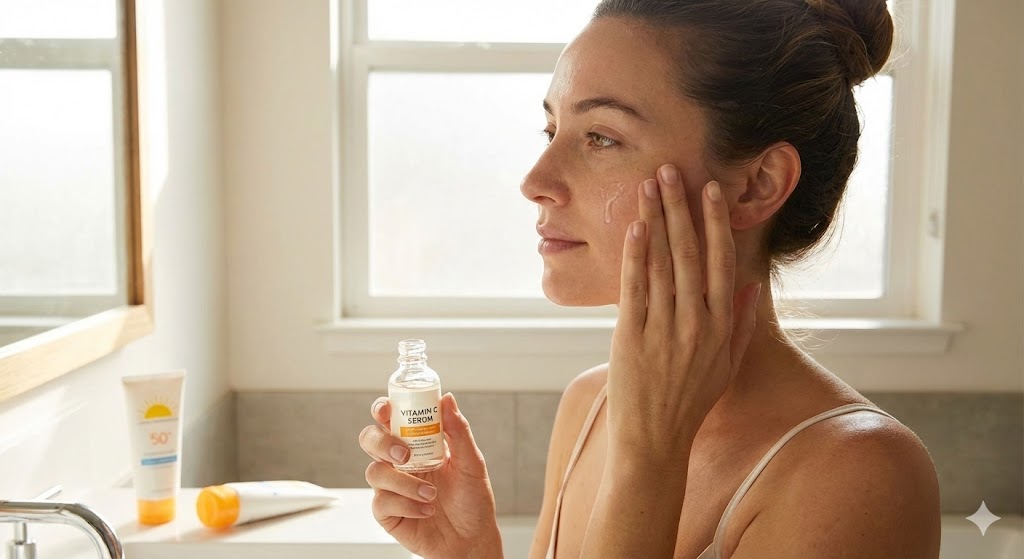
Learning how to increase skin elasticity naturally involves supporting the structural proteins that keep tissue resilient and firm. Elasticity refers to the ability of the dermis to snap back into place after being stretched, a quality largely dictated by the density of collagen and elastin fibers.
When these fibers degrade due to environmental stressors or metabolic shifts, the skin may lose its characteristic bounce. Addressing this requires a focus on internal nutrient availability and the protection of existing cellular architecture from oxidative damage.
To improve skin resilience, individuals often focus on a combination of dietary intake, hydration, and lifestyle adjustments that minimize collagen breakdown. This protocol outlines five evidence-based steps to support the skin’s structural integrity through daily habits.
Analyzing the metabolic pathways of dermal fibroblasts reveals that consistent micronutrient support is more effective for long-term tissue resilience than sporadic, high-dose interventions.
The structural framework of the skin is primarily composed of collagen, a protein built from specific amino acids including glycine, proline, and hydroxyproline. When dietary protein intake is insufficient, the body may prioritize vital organ function over the maintenance of peripheral tissues like the skin.
Research into protein metabolism suggests that consuming high-quality sources of these amino acids provides the raw materials necessary for fibroblast activity. Fibroblasts are the specialized cells responsible for synthesizing the extracellular matrix, which gives the skin its shape and strength.
Consuming adequate protein ensures that the body has a steady supply of amino acids to repair and maintain connective tissues. When the body receives these building blocks, it can more efficiently replace damaged fibers, which helps the skin maintain its natural tension and bounce.
Incorporating diverse protein sources such as lean meats, legumes, and bone broths can provide a broad spectrum of the necessary precursors. This nutritional foundation is essential because it provides the substrate for the body to perform its own internal maintenance work.
For those seeking to optimize their intake, focusing on whole-food sources is generally considered the most reliable approach. By ensuring a consistent supply of these nutrients, individuals may support the structural integrity of their skin over time.
Oxidative stress is a primary driver of premature fiber degradation, often caused by an imbalance between free radicals and the body’s antioxidant defenses. These free radicals can damage the delicate elastin fibers, leading to a loss of the skin’s ability to recoil after movement.
Tracking recent data on nutrient bioavailability reveals that antioxidants like Vitamin C and Vitamin E play a protective role in the dermis. According to the National Institutes of Health, Vitamin C is essential for the biosynthesis of collagen, acting as a critical electron donor for the enzymes involved in fiber cross-linking.
Vitamin C serves as a vital cofactor that allows the body to stabilize collagen strands. Without sufficient levels of this nutrient, the collagen produced may be structurally weak, which can manifest as a loss of firmness or a slower recovery from minor skin stretching.
By consuming a variety of colorful fruits and vegetables, individuals can provide their cells with the antioxidants needed to neutralize free radicals. This helps protect the existing collagen network from being broken down by environmental stressors like pollution or sunlight.
When the skin is protected from oxidative damage, it can focus its energy on regeneration rather than constant repair. This shift in cellular priority is a key component in maintaining a healthy, resilient appearance.
Skin turgor is the physical manifestation of water pressure within the cells, which keeps the skin plump and resistant to folding. When the body is dehydrated, the extracellular matrix loses volume, making the skin appear thinner and less elastic.
Evaluating cellular absorption rates highlights that water intake must be balanced with electrolytes to ensure proper distribution throughout the tissues. Sodium, potassium, and magnesium are essential for maintaining the osmotic balance that keeps cells hydrated.
Proper hydration ensures that the skin cells remain full and firm, which directly contributes to a smoother surface texture. When cells are adequately hydrated, they are better able to support the surrounding collagen and elastin fibers.
Beyond simple water intake, consuming mineral-rich foods like leafy greens and nuts can help maintain the electrolyte balance necessary for fluid retention. This internal environment is crucial for the skin to maintain its natural shape and elasticity throughout the day.
Monitoring hydration levels is a simple yet effective way to support dermal health. When the body is well-hydrated, the skin is more likely to exhibit its natural, healthy bounce.
| Factor | Impact on Elasticity | Actionable Tip |
|---|---|---|
| Hydration | High (Cellular Turgor) | Consistent water intake |
| Antioxidants | High (Fiber Protection) | Diverse plant consumption |
Ultraviolet radiation is one of the most significant external factors that contribute to the breakdown of skin elasticity. Exposure to these rays triggers the production of matrix metalloproteinases, which are enzymes that actively degrade collagen and elastin.
Reviewing long-term dietary protocols shows that while internal nutrition is vital, external protection is equally necessary to prevent the rapid loss of structural proteins. Limiting direct exposure during peak hours is a standard recommendation for preserving the skin’s natural state.
Using physical barriers like protective clothing or shade can significantly reduce the enzymatic breakdown of skin fibers. By minimizing exposure to harmful radiation, the skin can preserve its existing collagen network for a longer duration.
This approach to skin preservation is highly effective because it prevents damage before it occurs. It allows the body to maintain its structural integrity without having to constantly compensate for external stressors.
Consistent use of these protective measures is a cornerstone of any strategy aimed at maintaining long-term elasticity. It is a practical way to support the skin’s natural defenses against the environment.
The skin undergoes significant repair processes during sleep, a period when the body shifts into a restorative state. During this time, growth hormone levels rise, which can stimulate the production of new collagen and the repair of damaged tissues.
According to research from educational institutions studying sleep and dermatology, sleep deprivation is associated with increased cortisol levels, which can inhibit the synthesis of new collagen. Maintaining a consistent sleep schedule is therefore a critical, often overlooked, component of skin health.
Quality sleep provides the body with the necessary time to perform cellular repair, which is essential for maintaining skin firmness. When sleep is prioritized, the body can more effectively manage the hormones that regulate tissue maintenance.
Managing stress through consistent sleep and relaxation techniques helps keep cortisol levels in check. This is important because elevated cortisol can interfere with the body’s ability to produce the proteins that keep the skin resilient.
By viewing sleep as a metabolic tool, individuals can better support their skin’s natural ability to regenerate. This simple lifestyle adjustment can have a profound impact on the overall health and appearance of the skin.
Yes, foods rich in Vitamin C, amino acids, and healthy fats support the body’s natural collagen production and help maintain the structural integrity of the skin.
Adequate hydration is essential for maintaining skin turgor, which helps the skin appear firm and resilient, though it is only one part of a broader health protocol.
Changes in skin health are typically gradual, as the turnover of collagen fibers and the repair of the extracellular matrix occur over several weeks or months of consistent lifestyle support.
Increasing skin elasticity naturally relies on providing the body with the necessary building blocks for collagen synthesis while simultaneously protecting existing fibers from oxidative and environmental damage. Consistent attention to nutrition, hydration, and restorative sleep creates the optimal internal environment for maintaining long-term tissue resilience.
This information is for educational purposes only and does not constitute medical advice. Individuals who are pregnant, breastfeeding, managing a chronic health condition, or taking prescription medications should seek individualized guidance from a qualified clinician before making significant changes to their diet or wellness routine.
Start by auditing daily protein and antioxidant intake to ensure the body has the essential nutrients required for ongoing dermal repair.
Get Your FREE Ultimate Vitamin Guide!
Join the VitaminProGuide community to receive science-backed supplement reviews, nutritional insights, and absorption tips, delivered straight to your inbox.
Vitaminproguide.com is reader-supported. When you buy through links on our site, we may earn an affiliate commission at no extra cost to you. As an Amazon Associate, we earn from qualifying purchases. Read our full disclosure.