- Safety: Most targeted supplements are safe but require monitoring for interactions, especially those affecting blood sugar or hormones.
- Effectiveness: Success relies on targeting specific mechanisms like insulin resistance and cortisol, rather than generic fat burners.
- Key Benefit: Addresses the underlying hormonal shifts driving belly fat storage, offering a metabolic advantage beyond simple calorie counting.
If you think finding effective perimenopause weight gain remedies is simple, think again. The biology tells a different story. You are likely doing everything “right”—eating the same foods, doing the same workouts—yet the scale is creeping up, specifically around your midsection. It is incredibly frustrating.
This isn’t a failure of willpower. It is a physiological shift. The standard “eat less, move more” advice often fails during this phase because the fundamental rules of your metabolism are changing. Your body is no longer responding to insulin and cortisol the way it used to.
My deep dive into the research highlights one key factor: estrogen’s departure changes how you handle carbohydrates and stress. When estrogen drops, you become more insulin resistant, promoting fat storage around the belly. Simultaneously, cortisol levels often rise, compounding the problem.
We need to stop relying on weak teas and vague wellness advice. It’s time to look at clinical-strength compounds that directly address these metabolic roadblocks. We need tools that work with your changing physiology, not against it.
Explaining how The Biological Mechanism Works
To understand why typical diets fail now, you have to understand the hormonal hierarchy. During your reproductive years, estrogen helped direct fat storage to your hips and thighs and kept your cells sensitive to insulin. As perimenopause begins, ovarian function becomes erratic, and estrogen levels eventually plummet.
This drop triggers a cascade of metabolic changes. According to the National Institute on Aging, the menopausal transition is often accompanied by changes in body composition, specifically an increase in abdominal fat. This is largely driven by increased insulin resistance. Your cells aren’t accepting glucose as easily, so your body pumps out more insulin. High insulin is a fat-storage signal.
Furthermore, the adrenal glands try to compensate for declining ovarian hormones, often leading to dysregulated cortisol. High cortisol combined with high insulin is the perfect recipe for stubborn visceral fat. Effective remedies must target these two pathways.
| Feature | Targeted Clinical Support | Generic “Diet” Supplements |
|---|---|---|
| Primary Mechanism | Improves insulin sensitivity & manages cortisol. | Temporary metabolism boost via stimulants (caffeine). |
| Bioavailability | Standardized extracts designed for absorption. | Often low-quality herb powders with poor uptake. |
| Long-Term Impact | Supports metabolic health and hormonal balance. | Often leads to a crash or adrenal stress. |
Strategies That Actually Work
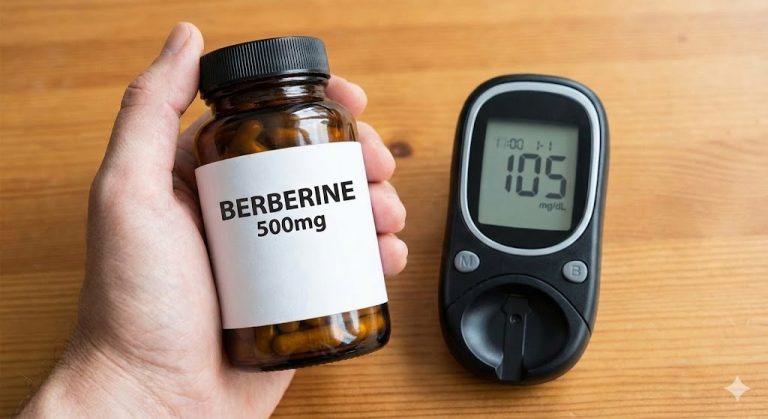
1. Berberine for Insulin Sensitization
This bioactive compound extracted from several plants acts similarly to the diabetes drug metformin. It activates an enzyme called AMPK, which helps regulate metabolism and improve insulin sensitivity. By helping your cells utilize glucose better, less is stored as belly fat. Look for standardized extracts.
2. Glucomannan for Physical Satiety
Cravings increase during perimenopause. Glucomannan is a potent, water-soluble dietary fiber from the konjac root. It expands significantly in the stomach, creating a feeling of fullness that physically prevents overeating. It also slows sugar absorption, preventing insulin spikes.
3. Ashwagandha for Cortisol Management
Chronic stress makes midlife weight loss nearly impossible due to cortisol. Ashwagandha is a premier adaptogen shown in clinical trials to significantly lower serum cortisol levels. By managing the stress response, you reduce the hormonal drive to store visceral fat.
4. Magnesium Glycinate for Metabolic Support
Magnesium is critical for glucose metabolism and sleep quality. Poor sleep increases ghrelin (hunger hormone) and cortisol. The glycinate form is highly absorbable and calming, supporting both metabolic pathways and restful sleep.
5. Vitamin D3 for Hormonal Regulation
Low Vitamin D is linked to insulin resistance and weight gain. It acts more like a hormone than a vitamin. Ensuring optimal levels (get tested!) is foundational for ensuring your metabolism functions correctly during this transition.
6. Standardized Green Tea Extract (EGCG)
Drinking green tea isn’t enough. You need high doses of the active catechin EGCG. It helps liberate fatty acids so they can be burned for energy, providing a mild metabolic boost without the jitteriness of high caffeine.
7. Collagen Peptides for Muscle Maintenance
Muscle mass naturally declines with age and lower estrogen, slowing metabolism. While not a “fat burner,” collagen supports muscle protein synthesis and connective tissue health, which is vital for maintaining the lean mass that drives your metabolic rate.
Tips for Achieving the Best Results
Optimization is about timing and synergy. Don’t just throw these down the hatch randomly. Berberine and Glucomannan must be taken roughly 20 to 30 minutes before meals to work effectively on blood sugar and satiety.
Consistency is harder than intensity. Hormonal shifts are slow; turning the ship around takes time. You need to commit to a protocol for at least 8 to 12 weeks to see real changes in body composition. Do not expect overnight miracles.
Stacking supplements can be powerful. For example, taking Ashwagandha and Magnesium Glycinate in the evening targets cortisol and sleep simultaneously, creating a better environment for fat loss overnight.
Finally, these are tools, not magic wands. They must be paired with resistance training. Lifting weights is non-negotiable in perimenopause to build metabolically active muscle tissue that estrogen used to protect.
Safety & Precautions
1. Consult Your Physician
Before adding potent compounds like berberine, especially if you are on medication for diabetes or blood pressure, you must talk to your doctor. Interactions are real.
Doctor’s Note: Metabolic supplements can alter medication needs.
2. Monitor Phytoestrogens
Some remedies contain plant estrogens. If you have a history of hormone-sensitive cancers, you need medical clearance before using these.
Warning: “Natural” does not mean hormone-neutral.
3. Watch Blood Sugar Levels
If you are using insulin-sensitizing agents like berberine, be mindful of potential hypoglycemia (low blood sugar), particularly if you combine it with intermittent fasting.
Caution: Feel dizzy? Check your sugar.
4. Verify Third-Party Testing
The supplement industry is notorious for poor quality control. Only buy brands that independently verify purity and potency to ensure you aren’t consuming heavy metals or fillers.
Heads Up: Quality costs more but is essential for safety.
5. Start Low and Go Slow
Introducing high doses of fiber like Glucomannan or minerals like magnesium too quickly can cause significant digestive distress. Titrate your dose upwards.
Pro Tip: Let your gut adjust slowly to avoid bloating.
5 Common Myths vs. Facts
Myth 1: It is just calories in, calories out.
Fact: While calories matter, hormones dictate where those calories go and how easily they are burned. Perimenopause changes the hormonal environment favoring storage.
Myth 2: All herbal remedies are gentle and safe.
Fact: Many herbs are potent drugs. Just because they grow in the ground doesn’t mean they cannot interfere with medications or cause side effects.
Myth 3: You just need to do more cardio to lose the weight.
Fact: Excessive cardio can raise cortisol, sometimes worsening belly fat. Resistance training is superior for metabolic health during this life stage.
Myth 4: The midlife spread is inevitable.
Fact: It is common, but not inevitable. By adjusting your strategy to match your new hormonal reality, you can manage your body composition.
Myth 5: Black Cohosh will fix weight gain.
Fact: Black Cohosh is often effective for hot flashes, but there is very little evidence it helps with weight loss or insulin resistance.
The Bottom Line
Navigating weight changes during perimenopause requires specific, data-driven interventions that address insulin and cortisol, not just generic diet advice.
Based on the research, I believe that focusing on insulin sensitization with Berberine and cortisol management with Ashwagandha provides the most robust defense against hormonal weight gain. This approach targets the root physiological causes rather than just the symptoms.
While trying to get enough soluble fiber from food to curb cravings is noble, it is practically difficult to hit therapeutic levels daily without intestinal distress. For consistent appetite control without the bloat of massive salad consumption, I recommend using a clinical-grade Glucomannan supplement before meals.
Get Your FREE Ultimate Vitamin Guide!
Join the VitaminProGuide community to receive science-backed supplement reviews, nutritional insights, and absorption tips, delivered straight to your inbox.