Physical Address
304 North Cardinal St.
Dorchester Center, MA 02124
Physical Address
304 North Cardinal St.
Dorchester Center, MA 02124
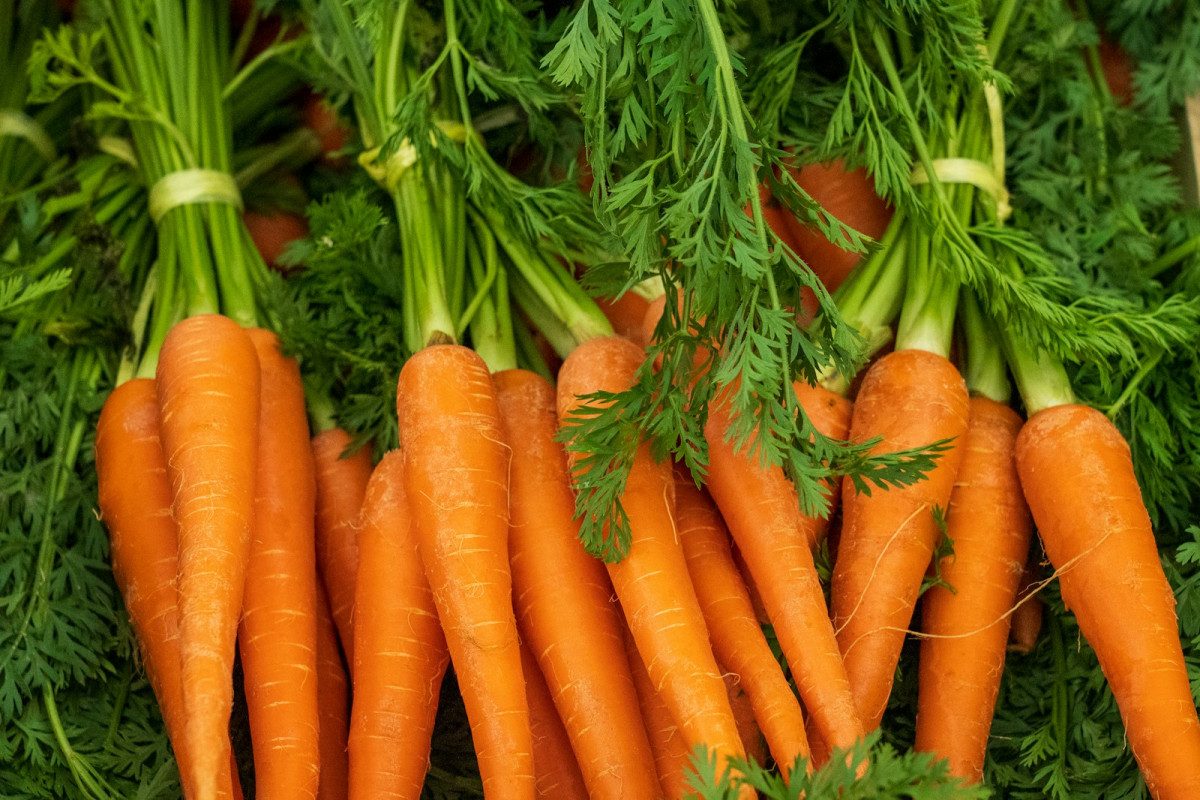
The BCMO1 gene beta-carotene conversion efficiency determines how effectively an individual transforms plant-derived provitamin A into active retinoids. This metabolic pathway is central to maintaining healthy cellular function and visual integrity across diverse populations. Genetic variations often dictate the rate at which these pigments are processed, leading to significant differences in individual reliance on dietary intake.
When looking at nutrient metabolism, the enzyme known as beta-carotene oxygenase 1 acts as the primary gatekeeper for this transformation. Variations in the genetic sequence can lead to slower processing speeds for some people, while others demonstrate high efficiency. This biological reality highlights why dietary recommendations for carotenoids are not universal.
The conversion efficiency of the BCMO1 gene refers to how well the body transforms dietary beta-carotene into active vitamin A. Because genetic polymorphisms limit this conversion in many people, those with less active variants often require higher intakes of preformed retinoids to meet systemic needs.
At the center of this process is the enzyme beta-carotene 15,15′-monooxygenase. This protein resides primarily within the intestinal mucosa, waiting to cleave dietary beta-carotene molecules into two molecules of retinal. This retinal is then reduced to retinol, the active form of vitamin A, which the body uses for cellular growth and immune system support.
Because the body regulates this conversion based on systemic stores, excess carotenoids are often stored in adipose tissue rather than being converted immediately. This feedback loop prevents toxicity while ensuring a steady supply of nutrients. When the enzyme is less active, this conversion rate slows down, which results in a lower systemic availability of essential retinoids.
The bioavailability of carotenoids is deeply tied to the presence of lipids in the digestive tract. Since beta-carotene is fat-soluble, its uptake into the enterocytes is significantly enhanced when consumed with sources of healthy fats like avocado, nuts, or olive oil. This simple habit improves the delivery of these precursors to the BCMO1 enzyme, which facilitates more efficient metabolic processing.
Beyond fat, the mechanical breakdown of plant cell walls through cooking or blending also shifts how much beta-carotene becomes accessible. Raw fibrous vegetables often trap these pigments inside cellular structures. Because the BCMO1 enzyme requires direct contact with the molecule, heat processing or mechanical maceration increases the substrate availability, leading to improved conversion outcomes.
Not everyone possesses the same genetic expression of the BCMO1 enzyme. Scientific inquiries have identified multiple single nucleotide polymorphisms that alter the structural stability or binding affinity of the protein. These variations explain why one person maintains high vitamin A levels on a strictly plant-based diet while another might show signs of deficiency despite high carotenoid intake.
Clinical literature suggests that low-activity variants are relatively common across various ethnic populations. When an individual has a limited capacity to utilize carotenoids, reliance on preformed vitamin A becomes a practical necessity. The National Institutes of Health Office of Dietary Supplements provides detailed guidance on the role of both provitamin A and preformed vitamin A in maintaining adequate physiological levels.
| Metric | Preformed Vitamin A | Provitamin A (Beta-carotene) |
|---|---|---|
| Conversion Required | None | High |
| Toxicity Risk | Moderate | Low |
| Bioavailability | High | Moderate |
| Genetic Dependency | Low | High |
Because plants do not provide active vitamin A, those with slow enzymatic conversion must be diligent about their total dietary profile. Diversifying the intake of vegetables is helpful, but it cannot always overcome a genetic limitation. A holistic approach considers both the quality of intake and the potential for supplementation when dietary sources prove insufficient.
The metabolic interaction between carotenoids and other nutrients is equally important. For example, zinc is a known cofactor for the enzymes involved in vitamin A metabolism. Proper status of zinc is required for the mobilization of liver reserves, as stated by the National Academies of Sciences, Engineering, and Medicine. When these micronutrients work in harmony, the efficiency of vitamin A utilization improves significantly.
There is no standard household test for this efficiency, though persistent low vitamin A status despite a diet rich in orange and green vegetables often points toward a potential genetic limitation in the conversion process.
While you cannot change your genes, you can optimize the environment for your enzymes by ensuring consistent intake of dietary fats and proper zinc levels to support overall metabolic health.
The efficiency of nutrient absorption can decline as digestive function changes over time, potentially requiring more strategic food choices to maintain consistent physiological levels as one gets older.
The conversion of beta-carotene into active vitamin A relies on the BCMO1 enzyme, a process heavily influenced by individual genetic makeup and dietary habits. While some people process these precursors with ease, others exhibit a limited capacity that requires careful attention to the intake of preformed retinoids to maintain optimal physiological function.
Nutritional status is a complex interplay of genetics and environment; therefore, this information is intended for educational purposes only and does not constitute medical advice. Individuals with concerns regarding nutrient status should discuss dietary assessment and blood work with a qualified healthcare provider.
Review current dietary records for consistent intake of preformed vitamin A sources and consult a healthcare provider regarding the suitability of routine laboratory testing for micronutrient levels.
Get Your FREE Ultimate Vitamin Guide!
Join the VitaminProGuide community to receive science-backed supplement reviews, nutritional insights, and absorption tips, delivered straight to your inbox.
Vitaminproguide.com is reader-supported. When you buy through links on our site, we may earn an affiliate commission at no extra cost to you. As an Amazon Associate, we earn from qualifying purchases. Read our full disclosure.