Physical Address
304 North Cardinal St.
Dorchester Center, MA 02124
Physical Address
304 North Cardinal St.
Dorchester Center, MA 02124
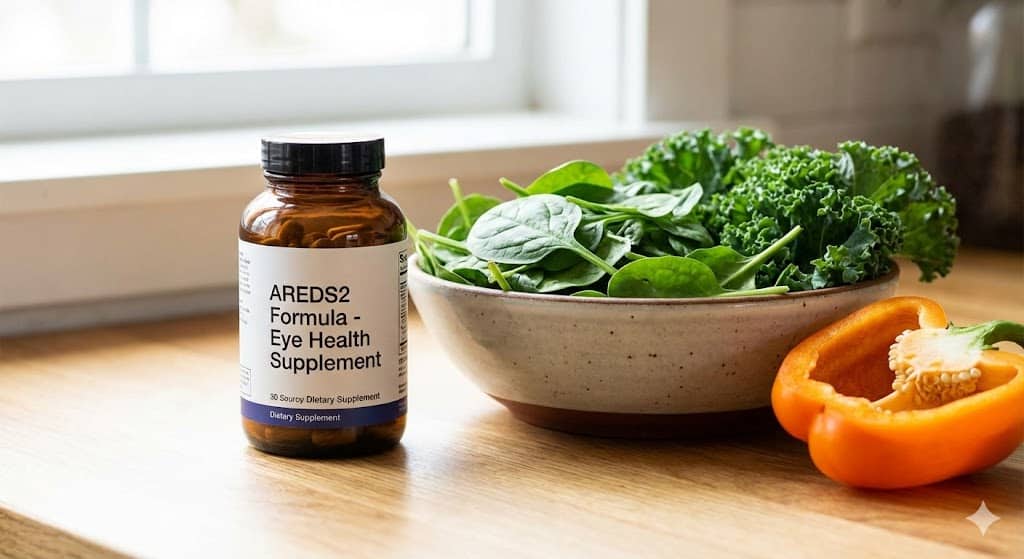
When searching for the best eye vitamins for macular degeneration, individuals often encounter a complex array of micronutrients designed to support retinal health. The macula, a small but vital area of the retina, relies on specific pigments and antioxidants to maintain its structural integrity against oxidative stress. Understanding how these compounds interact with ocular tissue is a primary step in informed wellness planning.
The clinical literature frequently highlights the role of carotenoids and specific vitamins in maintaining the health of the central retina. By focusing on nutrient-dense dietary patterns, one can provide the body with the raw materials necessary for long-term visual comfort. Supplements are often viewed as a secondary measure to fill gaps that remain after optimizing one’s daily food intake.
The most effective approach involves prioritizing whole foods rich in lutein, zeaxanthin, and omega-3 fatty acids. When dietary intake is insufficient, targeted supplementation may be considered to support the metabolic needs of the eye. Consulting with a qualified clinician is essential to determine if specific formulations align with an individual’s unique health profile.
Analyzing the metabolic pathways of retinal carotenoids reveals that consistent, long-term intake is more significant than sporadic, high-dose interventions for ocular wellness.
The macula is uniquely concentrated with lutein and zeaxanthin, two carotenoids that the human body cannot synthesize on its own. These compounds function as a biological shield, absorbing harmful blue light before it reaches the delicate photoreceptor cells. When these pigment levels are low, the retina may become more susceptible to the cumulative effects of light-induced oxidative stress.
Tracking recent data on nutrient bioavailability reveals that the absorption of these carotenoids is significantly enhanced when consumed alongside healthy fats. This is why incorporating avocado, olive oil, or nuts into meals containing spinach or kale is a common recommendation in nutritional science. This synergy ensures that the nutrients are effectively transported through the bloodstream to the ocular tissues.
Increasing the intake of dark, leafy greens like kale and collard greens provides a direct source of these essential pigments. By consistently including these vegetables in a daily routine, individuals can support the macular pigment optical density, which is a key marker of retinal health. This process helps maintain clear, sharp central vision during daily activities like reading or driving.
When dietary sources are not enough, some individuals look toward concentrated forms of these carotenoids. The benefit of maintaining high pigment levels is a reduction in the glare sensitivity that often occurs when moving between different lighting environments. This makes it easier for the eyes to adjust and remain comfortable throughout the day.
Research indicates that the accumulation of these pigments is a gradual process that occurs over several months. Patience is required, as the body slowly builds up these protective stores within the retinal layers. This long-term support is what ultimately contributes to the sustained health of the macula over many years.
The retina is one of the most metabolically active tissues in the body, which naturally leads to the production of reactive oxygen species. Vitamins C and E serve as critical antioxidants that help neutralize these molecules, preventing them from damaging cellular membranes. According to the National Eye Institute, maintaining a balanced intake of these vitamins is a cornerstone of general ocular wellness.
Evaluating cellular absorption rates highlights that the body prefers nutrients derived from whole food sources. Citrus fruits, bell peppers, and sunflower seeds are excellent ways to provide the body with these antioxidants. Relying on these foods also provides a spectrum of phytonutrients that work in concert, offering a more comprehensive approach than isolated supplements alone.
Oxidative stress acts like rust on a metal surface, slowly degrading the delicate structures of the retina over time. By providing the body with adequate Vitamin C, one helps maintain the structural integrity of the blood vessels that supply the eye. This ensures that the retina receives a steady flow of oxygen and nutrients, which is vital for daily visual performance.
Vitamin E works in tandem with other antioxidants to protect the fatty acid components of the retinal cell membranes. This cellular protection helps prevent the breakdown of cells that are responsible for transmitting visual signals to the brain. When these cells are well-supported, the eyes can maintain better focus and clarity during tasks that require sustained attention.
Incorporating these antioxidants into a daily wellness protocol can lead to a noticeable improvement in overall eye comfort. Many individuals report less eye fatigue after long periods of screen use when their antioxidant status is well-maintained. This simple change in dietary focus can make a significant difference in how the eyes feel at the end of a busy day.
Omega-3 fatty acids, particularly DHA, are structural components of the retinal photoreceptors. These fats are essential for maintaining the fluidity and function of cell membranes, allowing for efficient signal transduction. Reviewing long-term dietary protocols shows that populations with high intake of cold-water fish often exhibit better markers of retinal health.
The balance between omega-3 and omega-6 fatty acids is equally important in the context of systemic inflammation. Modern diets often contain an excess of omega-6s, which can interfere with the beneficial effects of omega-3s. Adjusting this ratio through diet is a practical way to support the body’s natural anti-inflammatory pathways.
DHA is a type of fat that keeps the membranes of the eye flexible and responsive. This membrane fluidity is crucial for the rapid processing of visual information, allowing the eyes to track moving objects with ease. When the retina has sufficient DHA, it can function more efficiently, which is a major benefit for those who enjoy active hobbies or sports.
A diet rich in fatty fish like salmon, sardines, or mackerel provides the most direct source of these essential fats. For those who do not consume fish, plant-based sources like flaxseeds or walnuts can be helpful, though the conversion rate to DHA is often lower. Ensuring adequate intake of these fats is a foundational step in supporting the physical architecture of the eye.
The impact of these fats on eye health is often felt as a reduction in dryness and irritation. By supporting the lipid layer of the tear film, omega-3s help keep the surface of the eye hydrated and comfortable. This simple biological support can significantly improve the daily experience of those who struggle with persistent eye dryness.
| Feature | Whole Food Sources | Supplement Forms |
|---|---|---|
| Bioavailability | High (due to food matrix) | Variable (depends on formulation) |
| Nutrient Synergy | Excellent (contains co-factors) | Limited (often isolated) |
Zinc is a trace mineral that is found in high concentrations in the eye, particularly in the retina and the choroid. It plays a vital role in the transport of Vitamin A from the liver to the retina, which is necessary for the production of melanin. This pigment provides additional protection against light damage, as noted in research from University of California, Davis.
While zinc is essential, it must be balanced with copper to prevent potential deficiencies. High doses of zinc can interfere with copper absorption, which is why many professional formulations include a small amount of copper to maintain mineral homeostasis. This careful balance is a hallmark of well-designed nutritional support.
Zinc acts as a key cofactor for many enzymes that support the metabolic health of the retina. By ensuring adequate zinc levels, the body can effectively process the nutrients required for night vision and color perception. This helps maintain visual acuity in various lighting conditions, making it easier to navigate the world safely.
Food sources such as oysters, pumpkin seeds, and legumes are excellent ways to obtain zinc naturally. These foods also provide other minerals that support overall health, creating a balanced intake that is safer than high-dose supplementation. This approach avoids the risk of mineral imbalances that can occur with concentrated, single-nutrient products.
When the body has the right mineral balance, the eyes can better manage the stress of daily environmental exposure. This metabolic stability is essential for long-term eye health and comfort. By focusing on a diverse diet, individuals can provide their eyes with the consistent mineral support they need to function at their best.
No, nutritional supplements are not a cure or treatment for macular degeneration. They are intended to support general ocular health and may help maintain retinal function in individuals who are already following a wellness protocol.
Yes, excessive intake of certain vitamins and minerals can lead to imbalances or other health issues. It is important to avoid exceeding recommended levels without guidance from a qualified clinician.
Nutritional support for the eyes is a long-term process. It often takes several months of consistent dietary changes or supplementation to notice improvements in ocular comfort or pigment density.
Supporting the health of the macula relies on a consistent intake of specific carotenoids, antioxidants, and essential fatty acids that protect retinal tissue from oxidative stress. These nutrients work best when obtained through a diverse, whole-food diet that provides the necessary co-factors for optimal absorption.
This information is for educational purposes only and does not constitute medical advice. Individuals who are pregnant, breastfeeding, managing a chronic condition, or taking medication should seek personalized guidance from a qualified clinician before starting any new supplement regimen.
To begin, assess your current daily intake of dark leafy greens and fatty fish, and consider consulting a healthcare professional to discuss whether your specific needs warrant additional targeted support.
Get Your FREE Ultimate Vitamin Guide!
Join the VitaminProGuide community to receive science-backed supplement reviews, nutritional insights, and absorption tips, delivered straight to your inbox.
Vitaminproguide.com is reader-supported. When you buy through links on our site, we may earn an affiliate commission at no extra cost to you. As an Amazon Associate, we earn from qualifying purchases. Read our full disclosure.