Contents
- Safety: Generally high safety profile, but high doses of individual nutrients like zinc or lysine require monitoring for imbalances.
- Effectiveness: Clinical studies show significant reduction in severity, duration, and frequency when using specific, targeted compounds.
- Key Benefit: Provides systemic immune support to keep the virus dormant rather than just treating surface symptoms.
It starts with a subtle sign. You ignore the slight tingle or itch at first, hoping it’s nothing. But then it becomes impossible to miss, and that familiar feeling of dread washes over you as a herpes outbreak begins. The standard advice usually revolves around prescription antivirals or weak, over-the-counter creams that do little to stop the problem at its source.
Many sources push generic “wellness” advice when you need clinical-strength immune strategy. HSV is tricky; it hides in nerve ganglia and waits for a crack in your armor—usually stress, illness, or dietary triggers—before launching an attack. Trying to fight this systemic issue with a calming herbal tea is like bringing a water pistol to a wildfire. You need tangible biological support.
I approached this with skepticism, but the studies convinced me there is a clear distinction between folklore remedies and bioactive compounds that actually inhibit viral replication. We aren’t looking for magic here. We are looking for measurable biological impact. Finding the right natural supplements for herpes outbreaks is about targeting the virus’s fuel source and armoring your immune system.
Let’s cut through the noise. We need to look at the hard data on what truly dampens viral activity and speeds up healing time. It’s time to pivot from reactive panic to proactive management.
The Biological Mechanism Explained
To understand how to fight HSV, you have to understand what it needs to thrive. The herpes virus is highly dependent on the amino acid Arginine for replication. When Arginine levels are excessively high relative to its antagonist amino acid, Lysine, the virus has the green light to multiply and cause a flare-up.
A robust immune response is crucial for keeping the virus in a latent (dormant) state. According to the Centers for Disease Control and Prevention (CDC), once a person is infected, the herpes virus remains in the body for life, and while some never develop symptoms, others experience recurring outbreaks. So, the plan is simple: cut off the virus’s fuel supply and boost the body’s defense cells.
We need ingredients that actively disrupt the viral life cycle or enhance the body’s ability to identify and suppress infected cells. The data suggests that specific nutritional interventions can rival pharmaceuticals in managing outbreak frequency, often with fewer side effects.
| Feature | Targeted Natural Supplements | Prescription Antivirals (e.g., Acyclovir) |
|---|---|---|
| Mechanism of Action | Nutritional modulation (starving the virus), immune system enhancement, direct antiviral activity. | Interferes with viral DNA synthesis to stop replication. |
| Primary Goal | Long-term prevention, reduced severity, overall immune health. | Acute symptom reduction and suppression during use. |
| Side Effect Profile | Generally low; nutritional imbalances possible at mega-doses. | Potential for nausea, kidney stress, and headaches with long-term use. |
Strategies That Actually Work
1. L-Lysine
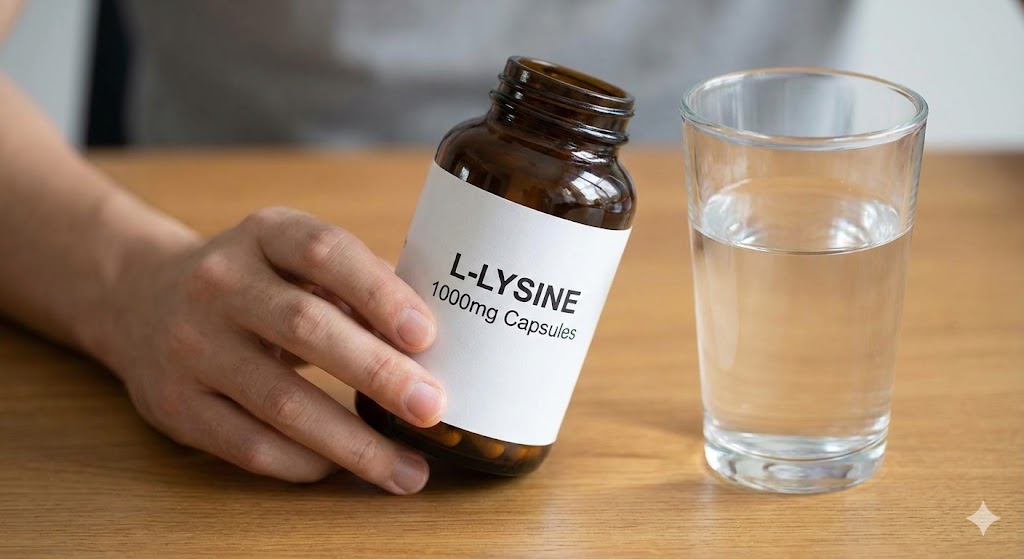
This essential amino acid is the cornerstone of natural HSV management. Lysine competes with Arginine for absorption and entry into cells. By flooding the body with Lysine, you effectively starve the virus of the Arginine it desperately needs to replicate. Clinical data suggests daily preventative doses (around 1,000mg) and higher acute doses (up to 3,000mg) during a prodrome phase are effective.
2. Zinc (Picolinate or Gluconate)
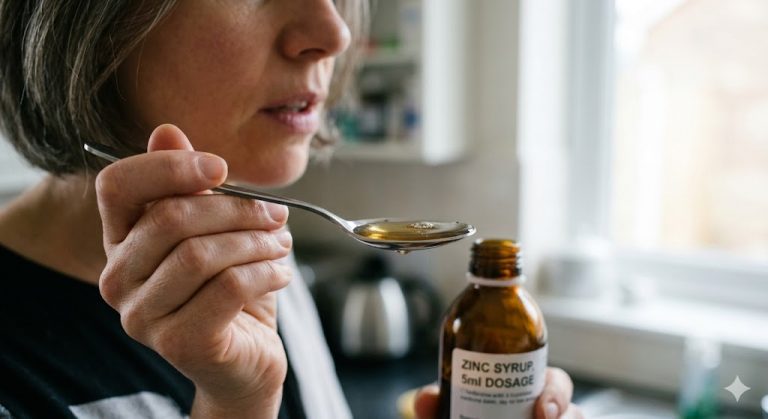
Zinc is a heavy hitter for immunity. It has direct antiviral properties and appears to inhibit herpes virus DNA polymerase, messing with its ability to multiply. Topical zinc sulfate has shown promise for healing time, but oral zinc is crucial for systemic defense. Picolinate and gluconate forms offer better absorption than cheap zinc oxide.
3. Vitamin C with Bioflavonoids
Your immune system burns through Vitamin C rapidly during an infection. High doses act as a potent antioxidant and support the production of white blood cells. Crucially, Vitamin C is vital for collagen synthesis, which is necessary to repair the skin damage caused by lesions. Bioflavonoids enhance Vitamin C absorption and action.
4. Lemon Balm (Melissa Officinalis)
While often used as a tea, you need a concentrated extract for therapeutic effects. Studies indicate that Lemon Balm extracts contain compounds like rosmarinic acid that have direct antiviral activity against HSV. It is particularly effective when applied topically as a cream at the very first tingle, significantly cutting healing time.
5. Propolis
This “bee glue” is used by bees to sterilize their hives. It is packed with flavonoids and phenolic acids that exhibit strong antimicrobial and antiviral properties. Research shows that propolis, taken orally or applied topically, can reduce the viral load and speed up the healing of sores compared to placebo.
How to Get the Best Results
Timing is absolutely critical when using natural supplements for herpes outbreaks. The moment you feel that characteristic prodrome symptom—the tingling, itching, or burning before a sore appears—you must act. This is when viral replication is ramping up.
Do not wait for the blister. Hitting the virus hard with therapeutic doses of L-Lysine and Vitamin C during this window can sometimes abort the outbreak entirely or drastically reduce its severity. Consistency is also key for prevention. A daily maintenance dose of Lysine can keep the Arginine-Lysine ratio in your favor chronically.
Stacking supplements provides synergy. For example, taking Vitamin C with bioflavonoids enhances its effect, and combining internal Lysine with topical Lemon Balm attacks the problem from inside and out.
Finally, supplements cannot outwork a bad diet. If you are pounding chocolate, nuts, and seeds (all high in Arginine) while stressed out and sleep-deprived, you are fighting an uphill battle regardless of what pills you take.
Safety & Precautions
1. Watch Lysine Long-Term
While generally safe, taking massive doses of single amino acids for months on end can potentially throw off other amino acid balances in the body. Stick to recommended preventative dosages unless in an active flare-up.
Caution: Those with kidney disease should consult a doctor before high-protein or amino acid dosing.
2. Balance Zinc with Copper
Long-term, high-dose zinc supplementation (usually over 50mg daily for weeks) can deplete copper levels in the body, leading to other health issues like anemia.
Heads Up: Look for supplements that include a small amount of copper if taking zinc long-term.
3. Vitamin C and Stomach Upset
High doses of standard ascorbic acid can cause diarrhea and stomach cramping (known as bowel tolerance).
Doctor’s Note: Use “buffered” Vitamin C (like calcium ascorbate) or liposomal forms to minimize digestive issues at higher dosages.
4. Propolis Allergies
If you are allergic to bees or bee products like honey, you have a high chance of being allergic to propolis. Patch-test topical products first.
Warning: Watch for allergic reactions if you have bee sensitivities.
5. Interactions with Medications
Always check with your pharmacist. For instance, high-dose Vitamin C can interact with certain blood thinners or chemotherapy drugs.
Safety Note: Natural does not mean neutral; always disclose supplements to your medical team.
5 Common Myths vs. Facts
Myth 1: Natural supplements can cure herpes.
Fact: There is currently no cure for HSV. Supplements help manage symptoms, reduce frequency, and speed up healing, but the virus remains latent in the body.
Myth 2: You must avoid all arginine foods forever.
Fact: Arginine is essential for health. The goal is to balance high-arginine foods with Lysine supplementation, not necessarily eliminate healthy foods like nuts entirely.
Myth 3: Topical creams are enough to manage outbreaks.
Fact: Topicals only address the surface symptom. Outbreaks are a systemic immune issue requiring internal support to suppress viral replication.
Myth 4: Taking Lysine only during an outbreak is sufficient.
Fact: While acute dosing helps, daily preventative dosing is far more effective for those who suffer from frequent recurrences.
Myth 5: Herbal teas are strong enough for antivirals.
Fact: While soothing, teas rarely provide the concentration of active compounds needed for a clinical antiviral effect. Standardized extracts are necessary.
The Bottom Line
Managing HSV requires a proactive, tactical approach to immune support rather than just reacting to sores with weak creams.
Based on the research, I believe a high-dose L-Lysine protocol combined with Zinc and Vitamin C offers the most robust defense for the Skeptical Optimizer looking to minimize outbreak frequency. This approach targets the virus’s fuel source while bolstering your own defenses.
Look for “buffered” Vitamin C forms if high doses tend to upset your stomach.
Get Your FREE Ultimate Vitamin Guide!
Join the VitaminProGuide community to receive science-backed supplement reviews, nutritional insights, and absorption tips, delivered straight to your inbox.