Physical Address
304 North Cardinal St.
Dorchester Center, MA 02124
Physical Address
304 North Cardinal St.
Dorchester Center, MA 02124
When dealing with a persistent feeling of fullness or muffled hearing, choosing between ear wax removal drops vs irrigation kit methods often feels like a toss-up. Many people struggle with cerumen impaction, which is simply the scientific term for an accumulation of earwax that has become dense and difficult for the body to move naturally. Determining the best approach depends largely on the consistency of the blockage and the sensitivity of the ear canal.
The process of clearing the ear canal involves either softening the wax or physically flushing it out. Softening agents generally work by breaking down the chemical bonds in the cerumen, making it easier for the body to expel, while irrigation relies on water pressure to lift the obstruction from the canal walls. Both methods aim to restore clarity, though they interact with the ear canal structure in significantly different ways.
For most mild cases of impaction, the safest starting point involves using over-the-counter softening drops to lubricate the area before considering mechanical flushing. If the blockage remains, a gentle irrigation kit can be utilized provided the eardrum is intact and there are no signs of infection. Seeking guidance from a healthcare professional remains the best course of action if symptoms such as pain, discharge, or sudden hearing loss occur.
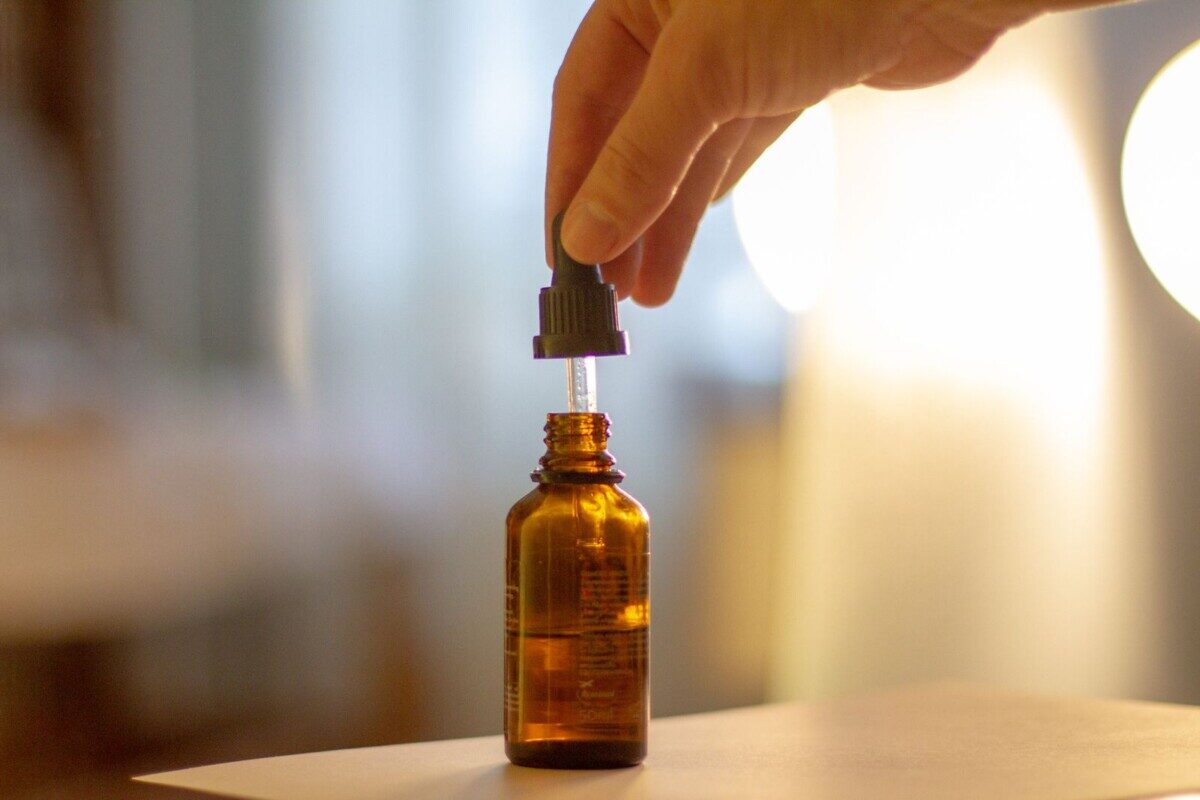
Cerumen is primarily composed of lipids, fatty acids, and sloughed skin cells. Because these components are oily, they respond well to liquid-based softening agents that function as surfactants. These drops reduce the surface tension of the hardened mass, which allows the cerumen to soften and pull away from the delicate skin of the ear canal.
The primary benefit of starting with drops is the non-invasive nature of the process. Because the drops initiate the breakdown of the mass, the body often clears the material on its own over several days. This approach avoids the risks associated with pressurized water, which can sometimes push debris deeper if the mass is too large or firmly attached to the ear canal.
Consistency is vital when using drops. By applying the recommended number of drops as directed, the chemical structure of the wax changes from a solid plug to a manageable consistency. This slow transition allows the ear to move the material outward through the natural self-cleaning process, which prevents the discomfort associated with rapid physical removal.
Irrigation kits provide a mechanical solution by using a targeted stream of liquid to dislodge wax. These devices typically consist of a bulb syringe or a specialized spray bottle designed to direct water at an angle toward the canal wall rather than directly at the eardrum. Because the water enters the canal and reflects off the side, it creates a gentle back-pressure that lifts the wax out of the ear.
I find that this method works most effectively when the wax has already been softened, as the irrigation serves as the final step in clearing the material. Without the pre-softening phase, the force required to remove a dry, hardened plug might cause unnecessary strain on the ear canal. When the material is already loosened, the water acts as a carrier to flush the debris safely and efficiently.
Safety during irrigation relies on the temperature and the control of the flow. Using water that is close to body temperature prevents the reflex dizziness that happens when the vestibular apparatus is stimulated by thermal changes. A steady, controlled hand ensures that the pressure remains low, which protects the integrity of the canal skin.
Understanding the difference between chemical softening and physical irrigation helps in selecting the right tool for the current situation. While drops work internally on the chemical bonds of the wax, irrigation provides an external mechanical assist. The following table illustrates the core differences in how these methods interact with the ear canal.
| Metric | Softening Drops | Irrigation Kit |
|---|---|---|
| Primary Action | Chemical breakdown | Mechanical flushing |
| Invasiveness | Low | Moderate |
| Required Time | Several days | Immediate |
| Skill Level | Simple | Moderate |
The safety of any ear cleaning method depends on recognizing individual limitations. One of the most common mistakes I see involves individuals attempting to clean their ears while they have an active infection or a history of eardrum perforation. Because the middle ear is highly sensitive to liquid intrusion, introducing anything into the canal when the eardrum is compromised can lead to complications.
Clinical evidence suggests that the ear is designed to be self-cleaning. The National Institute on Deafness and Other Communication Disorders notes that wax typically moves out of the ear naturally as a result of jaw movement. When this process is interrupted by excessive buildup, the goal of any removal protocol is to assist, not force, the natural exit of the material.
If an irrigation kit is utilized, the angle of the stream must be precise. By aiming toward the top of the ear canal rather than the center, the risk of pushing the wax further into the ear is minimized. If at any point during the use of either drops or irrigation there is pain, bleeding, or fluid drainage, the process should be stopped immediately to prevent injury.
The best strategy for maintaining clear hearing involves a combination of patience and careful selection of tools. Rather than rushing to perform a mechanical cleaning, allowing drops to work over a short period often resolves the issue without the need for high-pressure water. This cautious approach respects the biology of the ear canal and minimizes the risk of local irritation.
When selecting products, checking for non-irritating, gentle ingredients is a wise practice. Avoid harsh soaps or substances not specifically formulated for the delicate skin of the ear canal. If a kit is selected, ensure all components are thoroughly cleaned and dried after each use to maintain high hygiene standards, which supports long-term ear canal health.
Common signs include a feeling of fullness, muffled sounds, or mild tinnitus. If there is pain or discharge, these symptoms often point toward an infection rather than simple wax buildup.
No, cotton swabs are generally discouraged because they act as a plunger, which can push wax deeper and potentially cause trauma to the eardrum or ear canal wall.
It is best to follow the frequency specified on the product packaging, as excessive use can dry out the skin inside the ear canal and create further discomfort.
Effective ear maintenance relies on the delicate balance of the canal’s internal environment. By utilizing softening agents to address the chemical structure of the cerumen, the need for intense physical intervention is reduced, which helps maintain the health of the ear canal skin and structures.
The information provided serves for educational purposes only and does not constitute medical advice. Any persistent hearing difficulty, pain, or suspected injury requires a thorough evaluation by a qualified healthcare provider to rule out underlying conditions that require more than simple home management.
Individuals interested in these methods can review the labeling on specific over-the-counter kits and consult a healthcare provider to determine the most appropriate approach for individual needs.
Get Your FREE Ultimate Vitamin Guide!
Join the VitaminProGuide community to receive science-backed supplement reviews, nutritional insights, and absorption tips, delivered straight to your inbox.
Vitaminproguide.com is reader-supported. When you buy through links on our site, we may earn an affiliate commission at no extra cost to you. As an Amazon Associate, we earn from qualifying purchases. Read our full disclosure.