Physical Address
304 North Cardinal St.
Dorchester Center, MA 02124
Physical Address
304 North Cardinal St.
Dorchester Center, MA 02124
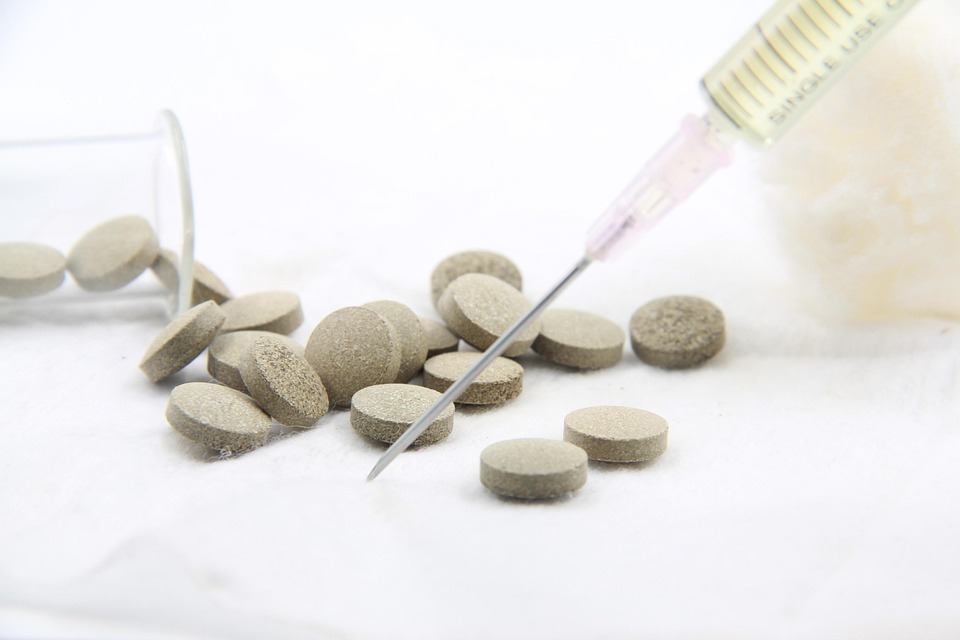
Modern metabolic research centers on how various delivery methods influence the bioavailability and stability of specific peptides. When looking at the difference between oral ingestion and subcutaneous delivery, the primary challenge remains the structural integrity of the compound. The gastrointestinal tract is a hostile environment for peptides, which are chains of amino acids that the digestive system is programmed to break down into smaller units.
Subcutaneous delivery provides a bypass for these degradative processes, allowing the peptide to enter the systemic circulation with higher consistency. In contrast, oral formulations must overcome the acidity of the stomach and the activity of digestive enzymes such as pepsin. Without specific protective barriers, these compounds would lose their structural functionality before they could reach their target cells in the pancreas or brain.
The comparison between these two methods essentially boils down to bioavailability versus convenience. While injections offer predictable entry into the bloodstream, oral forms rely on specialized delivery agents or chemical modifications to ensure a measurable portion of the peptide survives the digestive process. Selecting between these options involves weighing the efficiency of systemic delivery against the physiological preferences of the user.
The human stomach serves as the first major hurdle for any orally administered protein-based molecule. Within the gastric lumen, the secretion of hydrochloric acid creates a highly acidic environment designed to denature proteins. Because peptides are essentially short-chain proteins, this acidity can unfold their tertiary structure, effectively neutralizing the intended biological effect before absorption occurs.
Beyond acid, the enzyme pepsin acts as a chemical scissor, cleaving peptide bonds at specific sites. If a peptide is not shielded, these enzymes will dismantle the molecular sequence required for cell signaling. The National Institutes of Health highlights that these enzymes represent a primary obstacle in the development of orally bioavailable peptides. This biological reality necessitates the use of complex enteric coatings or chemical enhancers to ensure the peptide arrives intact at the intestinal wall.
Absorption in the small intestine is further complicated by the size and polarity of the peptide. Large molecules struggle to pass through the tight junctions of the intestinal epithelium. When the peptide is successfully absorbed, it must then travel through the hepatic portal system to the liver. This “first-pass” metabolism can remove a significant portion of the compound before it ever reaches systemic circulation.
To support overall metabolic health, many individuals utilize supportive micronutrients. For example, maintaining adequate levels of minerals is essential. Thorne Magnesium Bisglycinate is often selected by those focusing on cellular function due to its bioavailability. Similarly, ensuring proper hydration and electrolyte balance is vital when the body is undergoing metabolic shifts.
Subcutaneous injection routes bypass the digestive challenges entirely, delivering the peptide into the fatty tissue beneath the skin. From this space, the peptide slowly diffuses into the local capillary network. This slow-release effect is often advantageous, as it provides a more stable plasma concentration over time compared to the spikes and drops associated with oral consumption.
This method maintains the peptide’s structural integrity because it never encounters the proteolytic enzymes of the stomach or the acidity of the gut. By entering the systemic circulation directly, the molecule remains folded and active, ready to bind to its target GLP-1 receptors. This directness explains why lower doses can often produce comparable systemic effects when delivered via injection rather than oral routes.
For those sensitive to the physical process of administration, the sensation associated with subcutaneous delivery is typically described as minor. The needles used are exceptionally fine, minimizing localized discomfort. The physiological benefit is a highly consistent signal sent to the body, ensuring that the cellular response—such as the release of insulin or the regulation of satiety signals—remains steady and predictable throughout the day.
Supportive supplementation during this process often involves focusing on cellular energy production. A high-quality Thorne CoQ10 can assist in mitochondrial efficiency, which is a key component of how cells manage energy substrate shifts. When the body’s signaling pathways are optimized, the overall sense of physical vitality tends to stabilize.
Comparing these methods involves understanding how quickly the active compound becomes available to tissues. Oral versions, when engineered correctly, show a delayed peak in plasma concentration. This allows for a steady release, which some may find fits better into a daily routine. However, the requirement for these compounds to be taken on an empty stomach with minimal water limits their flexibility.
In contrast, injections are independent of food intake. Because the peptide is placed directly into the interstitial fluid, it does not interact with meal timing. This creates a distinct advantage in terms of compliance, as the user does not need to worry about the inhibitory effects of concurrent food digestion on peptide absorption. The physiological reliability of this method is the gold standard for clinical consistency.
When considering systemic impact, the consistency of the injection route allows for a more granular adjustment of signaling intensity. The variation seen in oral absorption is often tied to the individual’s unique gastric emptying rate and digestive enzyme activity. By removing these variables, the injection method ensures that the signal arriving at the brain or pancreas is consistent regardless of the person’s current digestive state.
| Metric | Oral Delivery | Injection Delivery |
|---|---|---|
| Systemic Bioavailability | Variable/Low | High/Consistent |
| Digestive Interference | High (Acid/Enzymes) | None |
| Administration Timing | Strict (Empty Stomach) | Flexible |
| Stability Maintenance | Chemical Shielding | Not Required |
The primary goal of these peptides is to mimic endogenous signaling pathways that inform the body about energy availability. When these peptides bind to their receptors, they initiate a cascade that influences how the body handles glucose. This binding process is highly dependent on the “lock and key” fit of the peptide molecule. Any degradation, even minor, reduces the number of active keys available to bind to the receptors.
You find this mechanism beneficial as it helps to regulate blood glucose markers effectively. By improving the sensitivity of the pancreas, the body can manage energy intake with greater precision. This biological communication is what allows for the sustained feeling of satiety and the optimization of metabolic function. Using peer-reviewed data, researchers continue to refine how these peptides are delivered to maximize these signaling benefits.
Ensuring that the rest of the nutritional foundation is strong is equally important. Adding a reliable source of omega-3 fatty acids, such as Nordic Naturals Ultimate Omega, supports systemic inflammation management. This creates a favorable environment for the peptide to do its job, as reduced systemic inflammation improves the responsiveness of cellular receptors across the body.
Finally, consider the role of vitamins in supporting the metabolic landscape. A methylated B-complex, like Thorne B Complex, provides the cofactors necessary for enzymatic reactions that occur downstream of peptide-activated signaling. By keeping these building blocks topped up, you ensure the body has the resources required to process energy efficiently throughout the day.
The speed of physiological changes depends on the steady-state concentration of the peptide in the blood. Injections typically reach this steady state faster due to higher bioavailability, while oral forms may require a longer period of consistent use to achieve the same systemic saturation levels.
Not necessarily. While oral peptides face significant barriers, advanced delivery technologies have been developed to bypass these issues. The effectiveness is determined by the specific formulation’s ability to protect the peptide until it reaches the bloodstream, rather than the delivery route itself being inherently ineffective.
Food intake significantly impacts oral peptides, which usually require an empty stomach to avoid enzyme degradation. Conversely, injections are unaffected by food intake because they enter the systemic circulation directly, bypassing the digestive processes that are influenced by meals.
The choice between oral and injectable peptides comes down to the balance of bioavailability and convenience. Injections provide the most consistent delivery by bypassing the digestive tract, whereas oral forms rely on sophisticated protection to navigate the stomach. Both methods aim to facilitate precise metabolic signaling, though they operate with different levels of systemic predictability.
This information is intended for educational purposes only and does not reflect a clinical recommendation. Always consult with a qualified health professional to discuss your unique metabolic needs and ensure that any changes to your health regimen are safe and appropriate for your individual medical history.
For your next step, assess your current metabolic health goals and consider discussing with a healthcare professional which delivery method aligns best with your long-term wellness strategy and consistency requirements.
Get Your FREE Ultimate Vitamin Guide!
Join the VitaminProGuide community to receive science-backed supplement reviews, nutritional insights, and absorption tips, delivered straight to your inbox.
Vitaminproguide.com is reader-supported. When you buy through links on our site, we may earn an affiliate commission at no extra cost to you. As an Amazon Associate, we earn from qualifying purchases. Read our full disclosure.