Physical Address
304 North Cardinal St.
Dorchester Center, MA 02124
Physical Address
304 North Cardinal St.
Dorchester Center, MA 02124
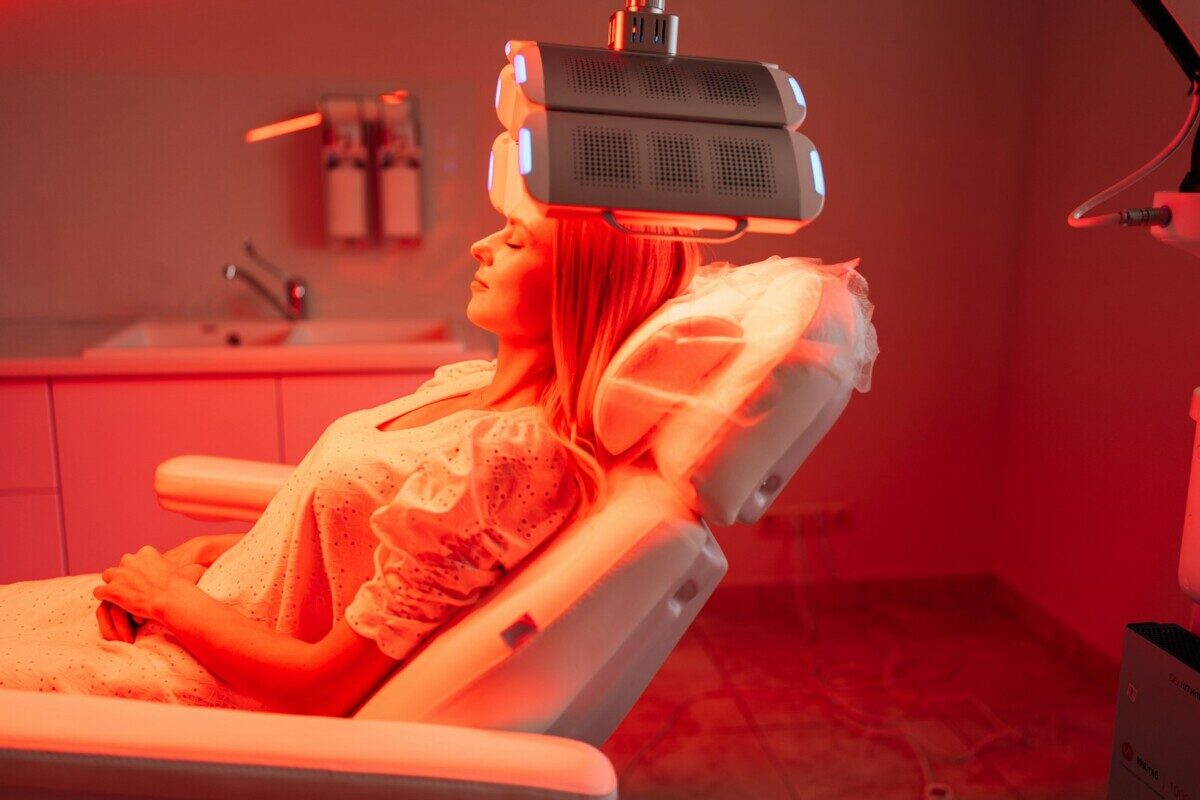
The primary benefits of red light therapy for acne scars involve the stimulation of dermal fibroblasts to increase collagen synthesis. By delivering specific wavelengths of light to the skin, this modality influences cellular signaling pathways without relying on invasive techniques or chemical abrasives. These physiological adjustments promote structural integrity within the dermis.
Exposure to low-level light in the red and near-infrared spectrums influences how skin cells repair themselves following inflammatory acne cycles. Many individuals observe a gradual improvement in skin surface uniformity over many weeks of consistent use. This process relies on light-emitting diodes to generate energy that the skin absorbs at a mitochondrial level.
Red light therapy provides a non-thermal, non-ablative approach to managing post-inflammatory texture changes. Research indicates that specific wavelengths can help modulate local cellular activity to support smoother skin. Individuals typically seek this method to manage the lasting physical marks left behind by past breakouts.
At the cellular level, the process begins when chromophores within the mitochondria absorb photons from red light. This interaction specifically targets cytochrome c oxidase, an enzyme essential to the production of ATP. When ATP production levels rise, the cell gains the necessary chemical energy to perform regenerative functions, such as protein synthesis and cellular debris cleanup.
A notable outcome of this metabolic shift is the increased activity of fibroblasts. Fibroblasts act as the primary structural architects of the dermis, continuously producing collagen and elastin proteins. Increased production of these proteins allows the skin to fill in minor surface depressions, a primary physical goal for those dealing with acne-related textural shifts.
This energy-based interaction is documented in research provided by the National Institutes of Health regarding the efficacy of light-based interventions. By optimizing how cells handle energy, the skin gains a stronger capacity to repair architectural gaps. This means you gain a more consistent skin tone through internal metabolic support rather than surface-level masking.
It is important to note that this process is cumulative. Unlike rapid cosmetic fillers, light-based stimulation requires repeated exposure to encourage genuine tissue remodeling. Consistent application helps maintain an environment where skin cells prioritize structural upkeep. This sustained, gentle effort is why many people prefer this approach over more aggressive methods that cause significant downtime.
Acne breakouts often trigger significant oxidative stress within the surrounding tissue. This stress can damage cellular components and disrupt the normal regenerative cycle, leading to the formation of lasting marks. Red light therapy helps by encouraging the production of antioxidant enzymes that naturally neutralize free radicals.
By reducing the total burden of oxidative stress, the skin has a higher likelihood of repairing damage without forming abnormal fibrous tissue. This mechanism creates a supportive environment for the natural lifecycle of skin cells. You see the result of this reduced stress as a decrease in the persistent redness or localized irritation often associated with past acne lesions.
The interaction between red light and internal pathways is facilitated by devices such as the Joovv Red Light Panel. Using such technology as part of a regular routine provides a controlled way to deliver necessary light intensity. When the body experiences less internal tension, it can direct more energy toward the physical repair of minor textural unevenness.
Research published via the National Library of Medicine highlights how light therapy influences the reduction of proinflammatory cytokines. When these markers remain in check, the skin transitions from a state of defense to a state of repair. This is how the physical act of light exposure transforms into a visible improvement in your skin’s smoothness and integrity.
While light therapy works on a physical, energetic level, the skin requires raw materials to build the structural proteins necessary for healing. Integrating specific supplements can ensure that the biological mechanisms triggered by light have enough building blocks to succeed. Collagen production, in particular, is dependent on the availability of amino acids and specific micronutrients.
Vitamin C is essential for the enzymatic conversion of proline and lysine into stable collagen molecules. Supplementing with Garden of Life Vitamin C alongside light-based protocols provides the body with the necessary input for synthesis. Without this raw material, the signals sent by light therapy might not reach their full potential for structural repair.
The following table outlines how different forms of skin-supporting nutrients assist in the general maintenance of dermal architecture:
| Nutrient Form | Primary Benefit |
|---|---|
| Collagen peptides | Supplies amino acid precursors for structural proteins |
| Vitamin C (ascorbic acid) | Essential cofactor for collagen cross-linking |
Furthermore, maintaining hydration is vital for the skin’s flexibility and turnover rate. Supplements like Nordic Naturals Omega-3 support the lipid barrier, which protects the skin from environmental stressors. When the lipid barrier remains intact, the skin loses less moisture, creating an environment where cells can function efficiently throughout the repair cycle.
Combining light therapy with internal nutritional support creates a comprehensive approach to skin health. By providing energy through light and resources through diet, you enable the skin to prioritize long-term reconstruction. This synergy between internal fueling and external energy application remains a key concept in modern skin-support protocols.
The transition from a compromised skin texture to a more uniform surface does not happen overnight. Because red light therapy functions by modulating biological processes, the timeframe for improvement is dictated by the natural rate of skin cell turnover. Most individuals find that maintaining a steady schedule is more effective than intermittent, high-intensity sessions.
Regularity allows the skin to receive a steady signal for remodeling. Frequent, shorter exposures are generally more manageable for the skin than infrequent, prolonged sessions. This steady pace keeps the mitochondrial pathways active, which supports the continuous production of fibroblasts and collagen.
Integrating tools such as the Omnilux Contour Face allows for this regular, controlled application. Its design specifically targets the facial area for consistent photon distribution. By integrating such a tool into your evening routine, you remove the guesswork and logistical hurdles that often lead to inconsistent results.
Finally, tracking your progress through periodic observations can provide clarity on how your skin responds to the protocol. Because skin remodeling is a slow process, looking for subtle changes in tone or texture month over month is a more accurate way to measure progress. Patience remains the most vital tool in your arsenal when using non-invasive methods for skin rejuvenation.
Red light therapy is generally effective for supporting repair in various skin types. However, results depend on the depth and nature of the textural issues. It works best for superficial remodeling rather than deep, severe scarring.
Most guidance suggests daily or near-daily use for several months to support meaningful cellular change. Consistency is more important than the duration of a single session, as the goal is to keep cellular metabolism optimized over time.
Red light therapy is generally considered non-thermal and non-ablative, meaning it does not typically cause the irritation associated with peels or lasers. If your skin reacts to light or heat, you should always start with very brief sessions to monitor your individual tolerance.
Red light therapy represents a non-invasive, energy-based approach to supporting the body’s natural ability to remodel skin. By stimulating mitochondrial function and collagen synthesis, it offers a method to address surface irregularities resulting from past acne inflammation. Success with this modality is largely defined by the consistency of application and the availability of nutritional building blocks.
This information is provided for educational purposes and is not a substitute for clinical advice. Always prioritize consultation with a qualified professional before beginning any new protocol, particularly if you have underlying skin conditions or are currently using medicinal topical products. This ensures that any strategy you choose aligns with your unique physiological needs.
A practical next step is to research established light-based devices and evaluate whether a daily routine fits within your current schedule. Starting with a commitment to consistent, short sessions will provide the best baseline for observing how your skin responds over the coming months.
Get Your FREE Ultimate Vitamin Guide!
Join the VitaminProGuide community to receive science-backed supplement reviews, nutritional insights, and absorption tips, delivered straight to your inbox.
Vitaminproguide.com is reader-supported. When you buy through links on our site, we may earn an affiliate commission at no extra cost to you. As an Amazon Associate, we earn from qualifying purchases. Read our full disclosure.