Physical Address
304 North Cardinal St.
Dorchester Center, MA 02124
Physical Address
304 North Cardinal St.
Dorchester Center, MA 02124
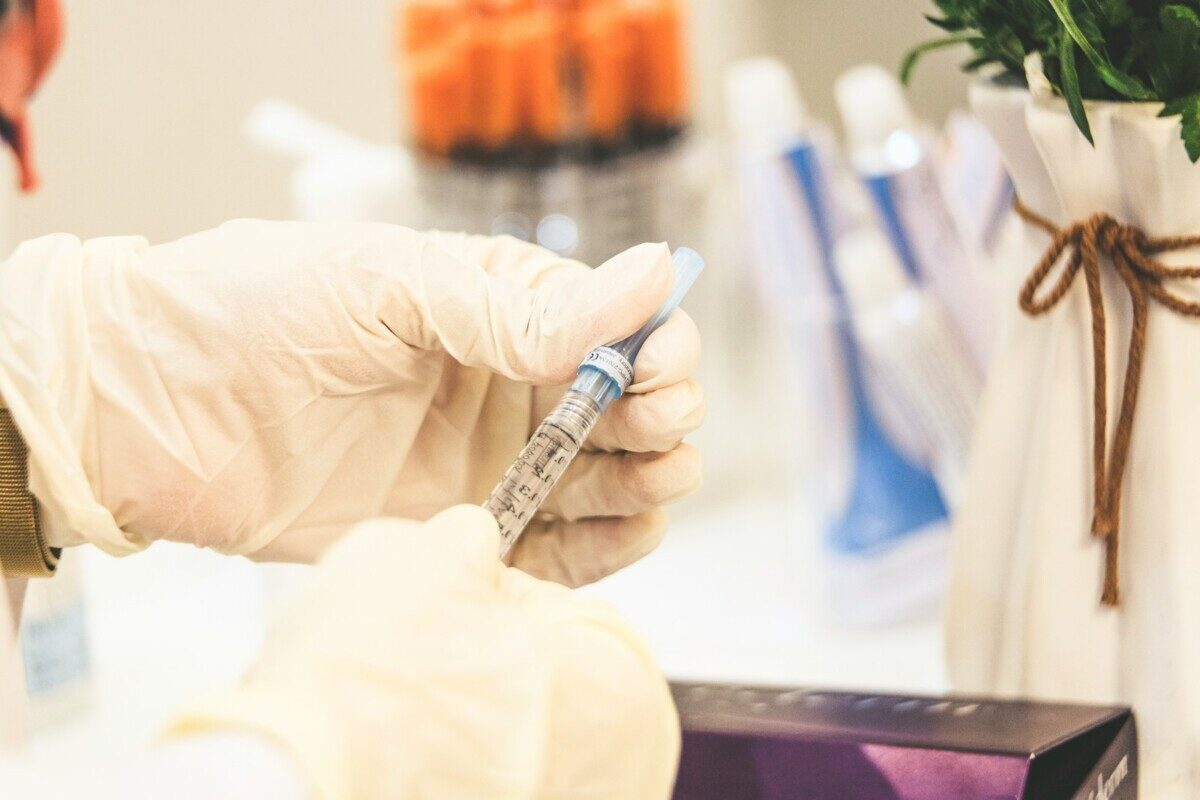
Deciding between regenerative options often comes down to a clear understanding of the financial commitment involved. When looking at the PRP injection vs stem cell therapy cost, individuals frequently discover that the price tags vary significantly based on the complexity of the preparation and the source of the biological material used.
Evaluating these options requires looking beyond just the bottom line to understand what is actually being paid for. While both approaches focus on using the body’s own materials to influence tissue maintenance, the processes behind gathering and concentrating those materials differ, which fundamentally drives the variation in final pricing.
The cost for platelet-rich plasma, or PRP, is generally lower because the procedure relies on a simple blood draw and centrifugation process performed in a single session. In contrast, stem cell therapy often involves a more intensive harvesting step from bone marrow or adipose tissue, which necessitates more equipment, specialized training, and time, thereby leading to a higher overall expenditure.
PRP involves drawing an individual’s blood and spinning it down to separate the plasma from the red blood cells. The goal is to concentrate platelets, which are cell fragments involved in clotting, into a smaller volume of plasma. Because these platelets contain high concentrations of growth factors like TGF-beta and VEGF, they serve as a concentrated tool for local tissue environment modulation.
When this concentrated mixture is introduced to an area, the growth factors signal local cells to begin repairing micro-damage. This acceleration of typical maintenance cycles happens because the influx of signaling proteins essentially tricks the body into responding to the area as if an acute injury had just occurred, triggering a more robust cleanup and renovation response.
The primary cost drivers here are the medical supplies, the centrifuge equipment, and the time of the professional performing the draw and injection. Since no external biological tissues are cultured or manipulated in a lab, the overhead remains relatively moderate compared to other advanced cellular interventions.
Stem cell therapies utilize mesenchymal stem cells, which are gathered from bone marrow or fat tissue. Unlike PRP, this process requires a minor surgical procedure to harvest the cells, which introduces a higher level of complexity. The gathered material must then be processed to isolate the viable cells from the structural tissue and blood debris.
Many facilities use advanced, proprietary kits to clean and concentrate these cells, which adds to the total investment. The National Institute of Arthritis and Musculoskeletal and Skin Diseases notes that the field of regenerative engineering is still evolving, which means the technology involved in harvesting these cells is continuously updating, keeping costs at a premium for early adopters.
Because the procedure is more invasive, the facility must account for sterile operating environments and higher liability protections. The price is also influenced by the number of steps required to ensure the cells are viable and properly prepared before they are returned to the specific site of interest.
| Metric | PRP | Stem Cell Therapy |
|---|---|---|
| Harvesting complexity | Low | High |
| Preparation time | Short | Long |
| Equipment cost | Moderate | High |
| Biological source | Peripheral blood | Bone marrow/Adipose |
Geography plays a massive role in the final price point for these procedures. A center located in a high-cost metropolitan area will have higher overhead than a rural facility, and these costs are invariably passed on to the individual. When researching providers, looking for facilities that bundle the consultation, procedure, and follow-up care can sometimes provide a clearer picture of the total financial obligation.
Some providers may also offer tiered pricing based on the concentration level of the material or the use of image guidance, such as ultrasound or fluoroscopy. Using imaging ensures the material is placed exactly where it needs to go, which increases the accuracy of the process, though it adds another layer of cost to the initial estimate.
It is important to evaluate the reputation of the facility and the quality of their equipment. High-quality centrifuges and sterile processing hoods ensure that the biological material remains uncontaminated and potent, which minimizes the risk of poor results. Skimping on the facility often leads to lower-quality preparations, which may negate the value of the investment entirely.
Rarely is a single session the end of the road. Many individuals find that a series of sessions is necessary to maintain the desired structural support in areas like the knees or shoulders. When calculating the total cost, one must multiply the cost per session by the number of visits, including any follow-up appointments required to track progress over several months.
Lifestyle factors also play a massive role in whether these interventions provide lasting value. If the underlying cause of the wear or stress on a joint is not addressed, the benefit from any regenerative injection will diminish quickly. The National Library of Medicine highlights the importance of maintaining a healthy body weight and proper mechanical alignment to support long-term musculoskeletal integrity, which serves as a foundation for any physical intervention.
Adopting a comprehensive approach that includes targeted physical movement and proper micronutrient support—such as ensuring adequate vitamin D3 and magnesium intake—often extends the longevity of the results. Focusing on systemic health ensures the body has the resources to utilize the growth factors provided by these injections effectively, preventing the waste of a costly procedure.
Most private insurance companies and national programs currently classify these procedures as experimental, meaning they are usually paid for entirely out of pocket.
The price gap is driven by the surgical nature of harvesting stem cells and the specialized, high-cost laboratory processing required to isolate those cells compared to a simple blood draw.
Hidden costs often include the need for follow-up imaging, physical rehabilitation sessions, and the requirement for multiple repeat sessions to achieve long-term functional goals.
Regenerative options involve a significant transfer of resources for potential tissue support, with PRP representing a less invasive, lower-cost option compared to the intensive requirements of stem cell therapy. Each method utilizes natural biological signals to encourage tissue maintenance, but the difference in technical complexity determines the total investment required.
These procedures are considered elective and often fall outside standard health coverage parameters. Individuals exploring these options must prioritize verified facilities to ensure the integrity of the biological materials processed.
Individuals interested in this approach can review specific facility credentials, verify the inclusion of imaging guidance in quotes, and consult a healthcare provider to discuss the suitability of these options for specific structural needs.
Get Your FREE Ultimate Vitamin Guide!
Join the VitaminProGuide community to receive science-backed supplement reviews, nutritional insights, and absorption tips, delivered straight to your inbox.
Vitaminproguide.com is reader-supported. When you buy through links on our site, we may earn an affiliate commission at no extra cost to you. As an Amazon Associate, we earn from qualifying purchases. Read our full disclosure.