Physical Address
304 North Cardinal St.
Dorchester Center, MA 02124
Physical Address
304 North Cardinal St.
Dorchester Center, MA 02124
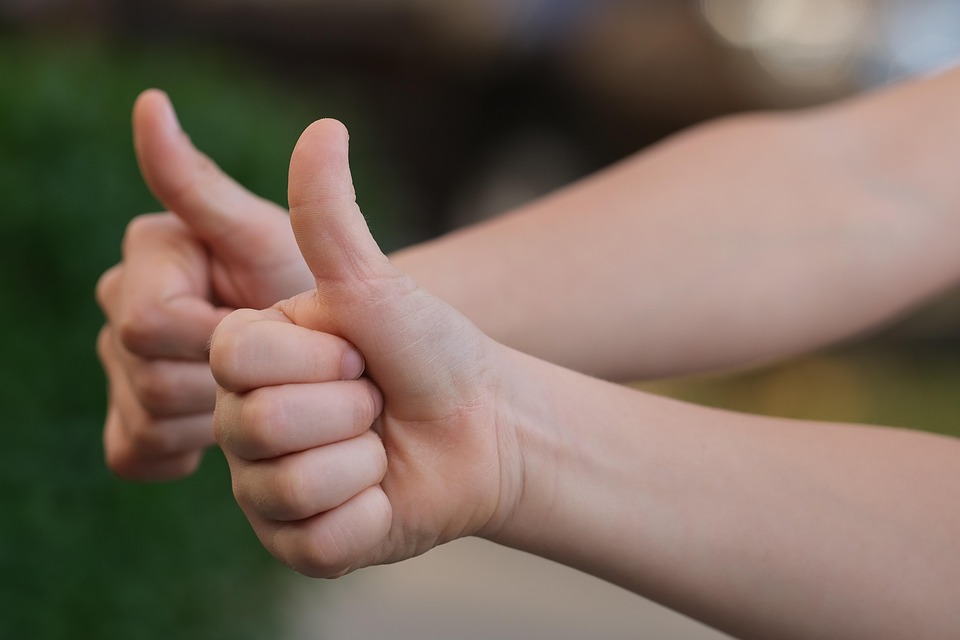
Finding natural solutions for texting thumb pain is essential for those who spend significant time navigating digital interfaces. Repetitive motions and sustained isometric holds can place disproportionate strain on the tendons and connective tissues within the hand. This article provides evidence-based approaches to manage the physical stress resulting from excessive smartphone use.
The human hand is a complex assembly of bones, ligaments, and tendons designed for varied motor tasks rather than repetitive, high-frequency tapping. When one digit is utilized repeatedly, the synovial sheaths surrounding the tendons may become inflamed, leading to discomfort. Addressing this involves a combination of mechanical adjustments and systemic nutritional support to promote tissue resilience.
To mitigate this discomfort, individuals should prioritize ergonomic modifications, such as using voice-to-text features to reduce input frequency and implementing structured rest periods. Supplementing with targeted nutrients can assist in supporting systemic joint health, while physical adjustments minimize the mechanical load on the thumb joints.
The thumb possesses a unique range of motion facilitated by the saddle joint at the base, known as the carpometacarpal joint. Unlike the fingers, which are structured for flexion and extension, the thumb frequently undergoes abduction and adduction. During texting, the thumb is held in a repetitive, flexed position that forces the extensor pollicis longus and abductor pollicis longus tendons to work beyond their resting capacity. This constant tension can lead to micro-trauma within the tendon fibers.
Mechanical efficiency is lost when the thumb is forced to span the width of larger devices. By using a device with an appropriate screen size, or using two hands instead of one, the force required to reach keys is distributed across both thumbs. The National Institutes of Health provides documentation on how repetitive stress patterns contribute to tissue fatigue in sedentary environments. Reducing these forces allows the body to initiate natural repair mechanisms more efficiently.
Tension in the forearm muscles often manifests as thumb discomfort because the muscles controlling thumb movement originate in the proximal forearm. Tightness in these muscle groups restricts the glide of tendons as they pass through the carpal tunnel and the wrist retinaculum. Addressing forearm flexibility through controlled stretches can relieve the pull on the base of the thumb. This results in a noticeable decrease in localized tightness after sessions of digital device usage.
When these tissues remain inflamed, the production of NF-kB, a protein complex that regulates immune response, may increase, contributing to persistent tenderness. Lowering the overall systemic inflammatory load allows the body to focus on cellular repair. Consistent movement breaks serve as a circuit breaker for the repetitive neurological signals being sent to the hand muscles.
The integrity of the tendons and ligaments in the thumb relies heavily on the availability of specific amino acids and micronutrients required for collagen synthesis. Collagen is the primary structural protein in the body, providing tensile strength to connective tissues. Consuming a diet rich in proteins provides the essential amino acids such as glycine and proline, which serve as the building blocks for repair. Supplementing with Sports Research Collagen Peptides may offer an accessible way to support these structural requirements.
Vitamin C is a vital cofactor in the hydroxylation of proline and lysine residues, a process required for the stabilization of the collagen triple helix. Without sufficient levels, the body cannot effectively produce or cross-link new collagen fibers. Ensuring an adequate intake of vitamin C through whole foods or high-quality supplements ensures that the repair process remains uninterrupted. This supports the structural stability of the thumb’s supportive ligaments during periods of high stress.
The role of methylsulfonylmethane, or MSM, is often noted in literature regarding joint comfort. MSM is an organosulfur compound that contributes to the sulfur pool in the body, which is necessary for maintaining healthy connective tissue linkages. By utilizing Doctor’s Best MSM Powder, individuals may provide the raw material needed to keep these sulfur bonds intact. A stable sulfur balance allows the thumb tissues to maintain flexibility despite regular mechanical demands.
Furthermore, omega-3 fatty acids like those found in Nordic Naturals Ultimate Omega are essential for managing the inflammatory response. These fatty acids help maintain the fluidity of cell membranes, which facilitates the transport of nutrients into the tissues and the removal of metabolic waste. Improved membrane fluidity helps the thumb feel less stiff, as nutrients can reach the site of exertion more rapidly following a rest period.
| Nutrient | Primary Function | Impact on Tissue Repair |
|---|---|---|
| Vitamin C | Collagen synthesis | Increases fiber cross-linking |
| MSM | Sulfur donation | Supports tendon elasticity |
Physical modifications to how we interact with technology remain the most effective path toward alleviating thumb strain. The grip strength required to hold a smartphone often exacerbates the tension already present in the thumb. Using a pop-style grip or a silicone case with increased friction can reduce the need for a tight death-grip. This simple shift ensures the muscles in the thumb don’t have to work as hard just to keep the device stable.
The angle at which the thumb strikes the screen significantly impacts the force transferred to the carpometacarpal joint. When the thumb is hyper-extended or forced into extreme abduction, the ligaments are placed under non-physiological loads. Maintaining a neutral thumb position, where the joint is slightly flexed, minimizes the peak stress experienced by the joint capsule. Research from NIOSH emphasizes that repetitive task modification is a key factor in long-term musculoskeletal wellness.
Integrating brief, 30-second breaks every twenty minutes of usage acts as a reset for the neuromuscular pathways. During these breaks, gently extending the fingers and thumb away from the palm helps to release the accumulated tension in the forearm flexors. This process prevents the “stuck” feeling that often occurs after long periods of rapid texting. Relief is physically felt as the muscles return to their resting length, reducing the pull on the base of the thumb.
Furthermore, the use of passive assistance tools, such as stylus pens with a soft nib, can change the way force is applied to the screen. A stylus requires less grip force and allows for a more varied range of hand movements compared to using the pad of the thumb alone. Over time, this decreases the frequency of the specific pinching motions that cause discomfort. Consistent use of these habits shifts the load away from vulnerable tissues.
Stiffness is a common response to sustained, repetitive isometric muscle contractions. When muscles are held in one position, blood flow can become restricted, leading to the sensation of fatigue and tightness in the joint area.
Applying mild heat can assist in increasing blood flow to the tendons, which may help with morning stiffness. Conversely, cold application is often used immediately after intense usage to manage the metabolic stress occurring within the tissue.
The duration of a break is less important than the frequency of the pauses. Incorporating micro-breaks every few minutes of typing is more effective at preventing tissue fatigue than taking a single, long break once every hour.
Managing thumb discomfort involves a transition toward better ergonomics and the support of collagenous tissue health through nutritional intervention. By modifying how we grip devices and incorporating frequent breaks, we can significantly reduce the mechanical stress placed on the thumb. Supplementing with targeted compounds like collagen or omega-3 fatty acids further aids the body’s natural resilience.
This information is intended for educational purposes and does not constitute medical advice or health professional consultation. Always consult with a qualified health professional regarding persistent pain or chronic musculoskeletal concerns. They can provide a tailored assessment of your specific physical situation.
Begin by evaluating your current phone grip and setting a recurring reminder to perform hand stretches throughout the day. Integrating one or two small ergonomic changes will likely provide the most immediate relief to your thumb joints.
Get Your FREE Ultimate Vitamin Guide!
Join the VitaminProGuide community to receive science-backed supplement reviews, nutritional insights, and absorption tips, delivered straight to your inbox.
Vitaminproguide.com is reader-supported. When you buy through links on our site, we may earn an affiliate commission at no extra cost to you. As an Amazon Associate, we earn from qualifying purchases. Read our full disclosure.