Physical Address
304 North Cardinal St.
Dorchester Center, MA 02124
Physical Address
304 North Cardinal St.
Dorchester Center, MA 02124
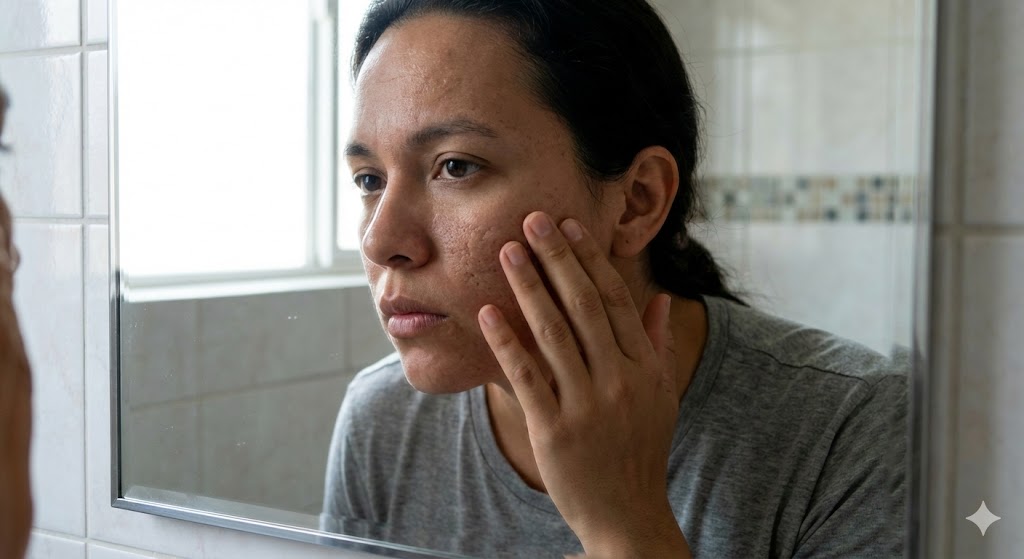
When evaluating exosome serum vs retinol for acne scars, it is essential to understand that these two agents operate through fundamentally different biological pathways. While one focuses on cellular communication and tissue signaling, the other relies on accelerating cell turnover to refine skin texture over time.
Acne scarring often involves structural changes in the dermis, including collagen degradation and localized inflammation. Addressing these concerns requires a nuanced approach that respects the skin’s natural barrier and its capacity for self-repair.
Retinol generally acts as a long-term modulator of skin cell behavior, whereas exosomes are increasingly studied for their role in signaling pathways that may influence tissue remodeling. Neither provides an instantaneous result, as both require consistent application to observe changes in skin appearance.
Analyzing the distinct mechanisms of exosome serum vs retinol for acne scars reveals that cellular signaling and turnover rates dictate the pace of visible improvement.
Retinol, a form of vitamin A, functions primarily by binding to specific nuclear receptors within skin cells. This interaction triggers a cascade of gene expression changes that encourage the skin to shed dead cells more efficiently and stimulate the production of new collagen fibers in the deeper layers.
By increasing the rate of cellular turnover, this compound helps to smooth out uneven texture and reduce the appearance of hyperpigmentation associated with past breakouts. It is a well-documented approach in dermatological research regarding vitamin A and its role in maintaining skin integrity.
Using a retinol-based product can lead to a more uniform skin tone over several months. By encouraging the shedding of surface cells, it prevents the buildup that often makes acne scars appear more pronounced or shadowed under certain lighting conditions.
Many individuals find that the structural support provided by increased collagen synthesis helps the skin feel firmer and more resilient. This gradual thickening of the dermis can make indented scars appear less deep, though this process is slow and requires patience.
Because retinol can cause initial dryness or irritation, starting with a low concentration is a common strategy to maintain the skin barrier function. This allows the skin to acclimate without triggering the inflammation that might otherwise worsen the appearance of existing marks.
Exosomes are small, membrane-bound vesicles secreted by cells that act as messengers, carrying molecular instructions to neighboring cells. In the context of skin health, these vesicles are thought to deliver proteins, lipids, and genetic material that may influence how the skin responds to injury and stress.
Unlike traditional active ingredients that provide a chemical stimulus, these vesicles aim to modulate the microenvironment of the skin. Research into these biological messengers is ongoing, with many studies focusing on their potential to support the natural repair processes that occur after inflammatory events like acne.
The primary benefit of using these vesicles is the potential for targeted communication between cells. By delivering specific signals, they may encourage the skin to prioritize repair pathways that are often sluggish in areas of chronic scarring.
For those dealing with persistent texture issues, this cellular signaling can feel like a more sophisticated approach to skin maintenance. It focuses on the underlying environment rather than just the surface-level shedding of cells, which may be helpful for those who find traditional exfoliants too harsh.
It is important to note that the stability and source of these vesicles are critical factors in their effectiveness. High-quality formulations prioritize the integrity of the vesicles to ensure that the signaling molecules remain active until they reach the intended site of action.
When choosing between these two, it is helpful to look at how they interact with the skin’s daily needs. Retinol is a workhorse for long-term maintenance, while newer technologies like exosomes are being explored for their ability to influence the skin’s internal repair signals.
The following table outlines the primary differences in how these two approaches interact with the skin’s physiology.
| Feature | Retinol | Exosome Serum |
|---|---|---|
| Primary Action | Cell Turnover | Cellular Signaling |
| Speed of Result | Slow (Months) | Variable (Emerging) |
| Focus | Surface Texture | Tissue Environment |
If the primary goal is to address surface-level discoloration and uneven texture, retinol remains a standard, evidence-based choice. Its ability to influence gene expression is well-mapped, providing a predictable path for those seeking to improve skin smoothness.
For individuals who have already optimized their basic skin health and are looking for advanced support, exploring newer signaling technologies may be an option. These products are often used to complement, rather than replace, established routines that focus on hydration and protection.
Ultimately, the best strategy often involves a holistic approach that includes proper nutrition, such as adequate intake of vitamin C and zinc, which are essential for collagen synthesis as noted by educational resources on micronutrients. Supporting the skin from the inside out provides the foundation upon which any topical application can work more effectively.
Topical agents are only one piece of the puzzle when it comes to managing the appearance of acne scars. The skin’s ability to repair itself is heavily dependent on the availability of building blocks like amino acids, vitamins, and minerals obtained through a balanced diet.
Hydration and sleep also play a critical role in the skin’s regenerative cycle. When the body is well-rested and hydrated, the metabolic processes required for tissue repair are more efficient, which can indirectly improve the results seen from any topical serum or cream.
Prioritizing nutrient-dense foods like leafy greens, berries, and lean proteins ensures that the body has the raw materials needed for collagen production. This internal support is the most effective way to ensure that the skin remains resilient against the stressors that lead to scarring.
Managing stress levels is another often overlooked factor in skin health. High levels of cortisol can interfere with the natural healing process, making it harder for the skin to recover from inflammation. Simple practices like regular movement and mindfulness can help maintain a balanced internal environment.
Finally, protecting the skin from UV damage is non-negotiable. Sun exposure can darken existing scars and slow down the fading process, regardless of which serum is being used. Consistent use of a broad-spectrum sunscreen is the most effective way to preserve the progress made by any skin care routine.
While some individuals choose to layer these products, it is often recommended to introduce them separately to monitor for sensitivity. Using them at different times of the day may help minimize the risk of irritation.
Visible improvement in skin texture typically requires several months of consistent use. Because skin cells have a natural turnover cycle, patience is necessary to observe meaningful changes.
Skin sensitivity varies significantly between individuals. Those with reactive skin or specific conditions should seek personalized guidance from a qualified clinician before starting new topical applications.
Retinol remains a foundational tool for accelerating cell turnover and improving texture, while exosome serums represent an emerging area of interest focused on cellular signaling. Both approaches require consistent, long-term application to influence the appearance of acne scars effectively.
This information is for educational purposes only and does not constitute medical advice. Individuals who are pregnant, breastfeeding, managing a medical condition, or taking medication should consult with a qualified clinician before introducing new skin care products into their routine.
Begin by establishing a consistent routine that includes gentle cleansing, hydration, and daily sun protection before adding specialized serums to your regimen.
Get Your FREE Ultimate Vitamin Guide!
Join the VitaminProGuide community to receive science-backed supplement reviews, nutritional insights, and absorption tips, delivered straight to your inbox.
Vitaminproguide.com is reader-supported. When you buy through links on our site, we may earn an affiliate commission at no extra cost to you. As an Amazon Associate, we earn from qualifying purchases. Read our full disclosure.