Physical Address
304 North Cardinal St.
Dorchester Center, MA 02124
Physical Address
304 North Cardinal St.
Dorchester Center, MA 02124
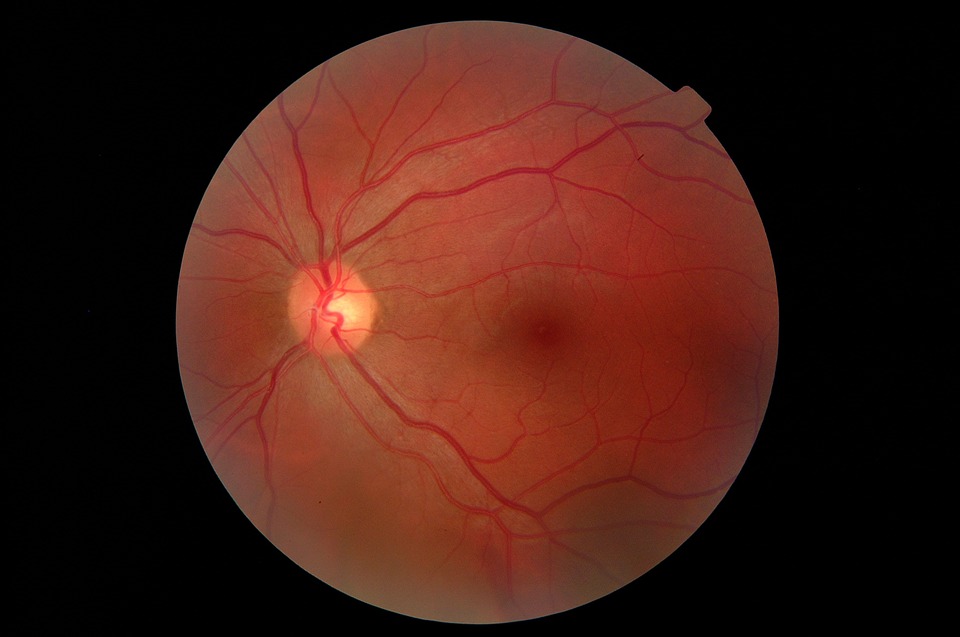
The eyes are constantly exposed to environmental stressors that influence long-term visual clarity and ocular integrity. Within the retina, specifically the macula, certain carotenoids act as a dense filter to protect delicate photoreceptor cells from high-energy light waves. These pigments are not produced by the human body and must be acquired through dietary intake or targeted supplementation.
Maintaining adequate levels of these specialized compounds is a focal point for researchers examining how to support the integrity of the fovea, the central portion of the retina responsible for sharp vision. By accumulating in the neural tissue, these nutrients provide a structural shield against oxidative damage and glare sensitivity. Their presence helps preserve the fidelity of images reaching the optic nerve.
The benefits of lutein and zeaxanthin for macula function include the attenuation of blue light exposure and the neutralization of free radicals produced during metabolic activity. By increasing the optical density of the macular pigment, these compounds effectively support visual contrast sensitivity and long-term retinal health. These carotenoids function as essential biological filters that maintain the efficiency of central vision.
The retina is unique in its constant exposure to electromagnetic radiation. Visible light, particularly in the high-energy blue range, can trigger the formation of reactive oxygen species that damage cellular membranes. The macular pigment, composed largely of lutein and zeaxanthin, occupies the inner layers of the retina where it intercept these photons before they cause photochemical degradation.
This light-filtering mechanism reduces the degree of chromatic aberration and veiling glare, which are common sources of visual fatigue. Individuals often report that high-glare environments become more manageable when their retinal pigment density is optimized. The physical presence of these molecules provides a stable barrier against environmental stressors that might otherwise contribute to cellular senescence.
Metabolically, these carotenoids serve as antioxidants. They scavenge free radicals generated by the high oxygen consumption of retinal cells. When these radicals are neutralized, the structural components of the macula, such as lipids and proteins, remain intact. This prevents the gradual breakdown of the neural circuitry required for high-acuity tasks like reading or driving at night.
Lutein and zeaxanthin are naturally found in high concentrations in dark, leafy green vegetables such as kale and spinach. However, the bioavailability of these compounds from whole foods is highly dependent on the presence of dietary fats. Because these molecules are fat-soluble, they require integration into micelles for transport through the intestinal wall and into the bloodstream.
For many, consuming a diverse array of colorful vegetables may not be enough to reach optimal saturation levels in the retina. Supplemental forms, such as Doctor+Best+Lutein+with+Lutemax, are often formulated with lipids or taken alongside a meal to enhance absorption rates. Research indicates that the delivery method—whether softgels or standardized extracts—plays a significant role in how efficiently the nutrients reach the bloodstream.
It is important to consider that the concentration of these nutrients in the blood does not always mirror their concentration in the eye. Sustained, consistent intake is required to overcome the physiological barriers that exist between the systemic circulation and the blood-retinal barrier. Over several months, this steady supply leads to a measurable increase in macular pigment optical density.
| Nutrient Form | Primary Characteristic | Bioavailability Context |
|---|---|---|
| Lutein esters | Common in marigold extracts | Requires enzymatic hydrolysis for absorption |
| Free lutein | Pre-hydrolyzed form | More readily available for cellular uptake |
Large-scale studies, such as the Age-Related Eye Disease Study 2 (NEI study findings), have evaluated the impact of specific carotenoid combinations on retinal health. These investigations focus on how nutritional intervention can support the resilience of the macular tissue against age-related decline. The data consistently points toward a protective effect when intake is high and consistent.
Beyond structural protection, these compounds have been linked to improved contrast sensitivity. When the macula is well-supplied with these pigments, the signal-to-noise ratio in the transmission of visual information to the brain is improved. This translates to the ability to distinguish subtle differences in shading or color, which is vital for navigation in low-light conditions.
While individual responses vary based on genetics and metabolism, the biochemical role remains consistent. These molecules act as chemical buffers against the constant photon barrage experienced by the eye. The resulting stability allows for a more consistent visual experience, reducing the frequency of adjustment periods when moving between high and low light settings.
Lutein and zeaxanthin do not function in isolation. They are frequently supported by other micronutrients, such as omega-3 fatty acids like those found in Nordic+Naturals+Ultimate+Omega. Omega-3s contribute to the fluidity of the cell membranes in the retina, ensuring that the macular pigment has a healthy environment in which to integrate.
Other antioxidants, such as vitamin C and vitamin E, are also commonly included in comprehensive ocular health protocols. These vitamins act as secondary scavengers, protecting the aqueous environment of the eye and regenerating other antioxidants after they have neutralized a free radical. This creates a multi-layered defense system that is significantly more effective than single-nutrient supplementation.
According to data from the National Center for Biotechnology Information, the interplay between dietary carotenoids and systemic health indicators is profound. Nutritional status directly influences how quickly the eye can recover from intense light exposure. By supporting the body’s overall antioxidant capacity, users create a robust environment that shields the macula from chronic oxidative stress.
Accumulation of these pigments in the retina is a gradual process. While blood levels may rise within weeks, increasing the optical density of the macular pigment typically occurs over several months of consistent, daily intake.
While a diet rich in dark, leafy greens is the foundation of eye health, it can be difficult to achieve the high levels required to maximize macular pigment density. Many individuals find that supplementing, as directed by a healthcare professional, provides the consistency needed for retinal support.
These compounds are generally well-tolerated and are considered safe for long-term use at standardized levels. As with any addition to a health regimen, it is best to discuss the specific product choices, such as Thorne+Eye+Support, with a qualified professional to ensure compatibility with individual health needs.
Lutein and zeaxanthin are fundamental to maintaining the structural and functional integrity of the macula. By acting as high-energy light filters and potent antioxidants, these carotenoids shield the central retina from the chronic damage associated with light exposure and metabolic stress. Consistent intake over time is key to building and maintaining a healthy macular pigment density.
This information is for educational purposes only and does not constitute medical advice, diagnosis, or recommendation for a specific health condition. Always consult with a qualified healthcare professional before beginning any new supplement regimen to ensure it is appropriate for your specific health history and needs.
To get started, evaluate your current intake of dark, leafy greens and consult a professional regarding the potential benefit of adding a high-quality, third-party tested supplement to your daily routine.
Get Your FREE Ultimate Vitamin Guide!
Join the VitaminProGuide community to receive science-backed supplement reviews, nutritional insights, and absorption tips, delivered straight to your inbox.
Vitaminproguide.com is reader-supported. When you buy through links on our site, we may earn an affiliate commission at no extra cost to you. As an Amazon Associate, we earn from qualifying purchases. Read our full disclosure.