Physical Address
304 North Cardinal St.
Dorchester Center, MA 02124
Physical Address
304 North Cardinal St.
Dorchester Center, MA 02124
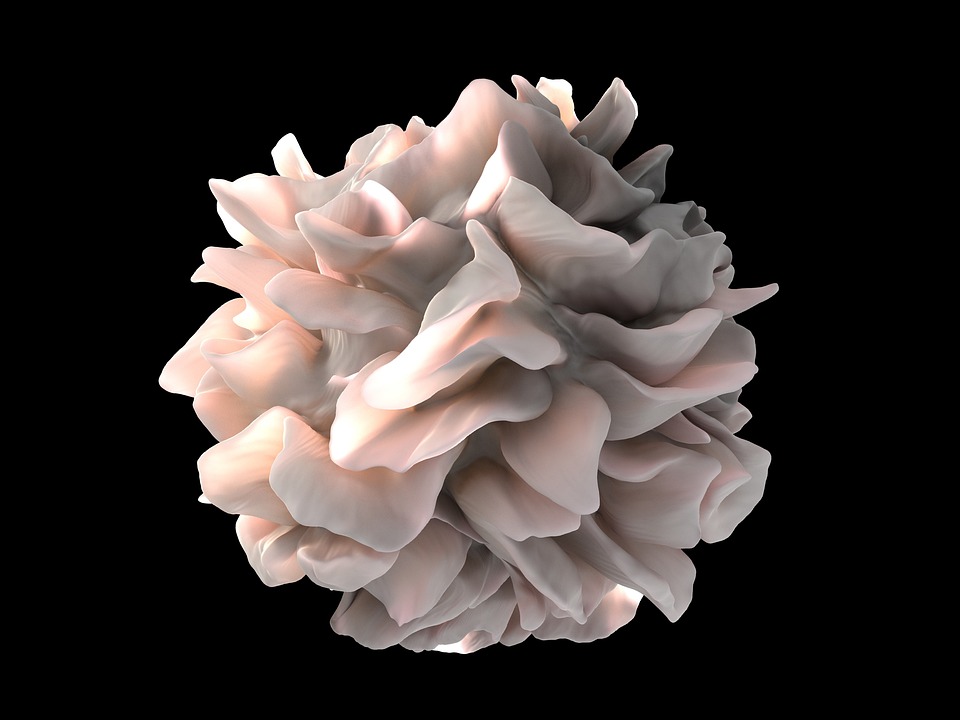
The human immune system functions as an incredibly complex surveillance network, relying on specialized cells to identify potential biological threats. Within this framework, Dendritic cell antigen presentation serves as the primary bridge between innate and adaptive immune responses. These cells act as sentinels throughout the body, capturing foreign materials and signaling the appropriate cellular defense mechanisms into action.
You experience immune resilience as your body maintains equilibrium when encountering environmental stressors or seasonal pathogens. The efficiency of this biological signaling ensures that your system distinguishes between internal cellular signals and external invaders. When these pathways operate at peak function, the body effectively coordinates a targeted response to neutralize threats before they can cause widespread systemic fatigue or discomfort.
Dendritic cell antigen presentation is the essential biological mechanism whereby immune cells ingest, process, and display fragments of pathogens to T-cells. By presenting these specific antigen markers, these cells instruct the adaptive immune system to begin mounting a defense. This process is fundamentally responsible for how your body develops long-term memory of past biological challenges.
Dendritic cells originate within the bone marrow and migrate through the bloodstream to tissues that interface with the external environment, such as the skin and the lining of the gut. This strategic positioning allows them to act as the first line of evaluation for any material entering the host. Once a pathogen is encountered, these cells undergo a maturation process that drastically changes their protein expression and signaling capacity.
During the maturation phase, the cell breaks down the internalized pathogen into smaller peptide fragments. These fragments are then loaded onto specialized surface molecules known as major histocompatibility complex (MHC) proteins. This display functions like a “most wanted” poster that is held up for inspection by passing lymphocytes. You notice the result of this cellular alert as a balanced, managed inflammatory response rather than prolonged systemic malaise.
The efficiency of this entire operation is governed by the structural integrity of the cell membrane and the availability of intracellular signaling proteins. For example, ensuring adequate intake of Nordic Naturals Omega-3 may support the fluidity and function of these cell membranes. When these physical structures are robust, they facilitate faster processing and cleaner communication between different immune cell populations.
The bridge between the innate response and the adaptive response is perhaps the most critical component of human immunology. Dendritic cells are essentially the only cells capable of activating naive T-cells, which are the specialized units that carry out targeted immune destruction. Without the precise transfer of information during this stage, the body would struggle to identify repeat offenders or manage new biological threats.
This signaling exchange occurs within the lymph nodes, where dendritic cells migrate after picking up antigens in peripheral tissues. They interact with T-cells through a complex set of surface protein contacts known as the immunological synapse. This level of biological precision allows for a sophisticated “yes or no” decision-making process regarding whether an immune reaction is necessary. You feel this process as a self-correcting system that ignores harmless substances while aggressively targeting genuine threats.
Optimizing this communication channel involves maintaining a steady supply of cofactors that participate in enzymatic reactions during cell migration and activation. Supplementing with Thorne Vitamin D3 is often suggested in literature to support the overall regulatory environment of immune cells. A well-regulated immune system prevents the constant exhaustion often caused by unnecessary or prolonged inflammatory signaling.
The biochemical pathways required to digest, process, and display antigens require a steady influx of specific micronutrients. For instance, zinc is a fundamental component of the enzymatic machinery that stabilizes the protein structures involved in MHC loading. Deficiencies in such minerals can lead to a sluggish or disorganized immune response, which often manifests as a slower recovery time after seasonal stressors.
Similarly, the antioxidants provided by adequate Garden of Life Vitamin C intake are necessary to protect the internal components of dendritic cells from the oxidative stress that naturally occurs during intense immune activity. Protecting these cells from degradation ensures that the “data” sent to the adaptive immune system remains accurate. You benefit from this process by experiencing shorter, more manageable periods of physical recovery following exposure to external stressors.
Metabolic homeostasis within these cells is also heavily reliant on mitochondrial efficiency. When the cell produces enough ATP, it can move and communicate with high fidelity. A stable, consistent supply of nutrients prevents the cellular “stuttering” that can occur when the body is in a state of depletion. This reliability translates directly into a more robust and responsive overall health profile.
| Nutrient | Role in Immune Function | Primary Benefit |
|---|---|---|
| zinc glycinate | structural protein support | enhanced receptor sensitivity |
| cholecalciferol | gene expression regulation | balanced inflammatory signaling |
Several factors can inhibit the natural process of dendritic cell activity. High levels of chronic physical stress can elevate cortisol, which often suppresses the maturation markers required for successful antigen presentation. This effectively mutes the immune system’s ability to notice and respond to incoming threats, potentially leaving the body more vulnerable than necessary. You sense this physiological inhibition as a feeling of being run down or perpetually unable to bounce back from daily life.
Environmental factors and toxic load can also force these cells to prioritize detoxification over surveillance. When resources are diverted to manage systemic oxidative burden, the bandwidth available for antigen processing drops significantly. Maintaining a clean internal environment and utilizing supportive supplementation can help preserve the metabolic energy these cells require. Utilizing Life Extension Magnesium Glycinate may support overall cellular energy production and help stabilize the stress response, providing the quiet, calm environment needed for immune cells to function accurately.
By prioritizing the foundational requirements of these cells, you move from a reactive state to a proactive state of health. The goal is not to artificially boost the immune system, but to provide the tools it needs for its natural job. When the barriers to cell-to-cell communication are removed, the body’s internal network operates with the efficiency of a highly tuned, well-resourced system.
Dendritic cells use pattern recognition receptors (PRRs) to identify molecular motifs that are commonly found on pathogens but absent from healthy human tissue. These receptors bind to specific protein or sugar signatures, triggering the cell to engulf the material for processing, as further detailed in academic publications on immunology.
Yes, diet provides the structural components and cofactors needed for cell maturation and signaling. A lack of essential vitamins or minerals can limit the cell’s ability to process antigens efficiently, which may hinder the adaptive immune response when it is most needed.
Inefficient presentation means the adaptive immune system is not properly alerted to the presence of a pathogen. This leads to a delayed response, allowing potential threats to persist longer within the body, which often manifests as prolonged systemic fatigue or a slower return to normal health.
Dendritic cell antigen presentation represents the crucial transition from passive observation to active immune defense. By ensuring these cells have the necessary structural and metabolic support, you allow your immune network to maintain its high-level surveillance capabilities without unnecessary disruption. Consistent attention to foundational micronutrient status is a primary way to support this process.
The information provided here is for educational and informational purposes only. It is not intended to serve as medical advice, diagnosis, or treatment for any physical or mental health condition. Always seek the advice of a qualified healthcare professional with any questions regarding your personal health, changes in diet, or the use of new supplements.
To support your body’s immune pathways, start by evaluating your intake of essential fatty acids and minerals. Consider maintaining a consistent, well-rounded nutritional approach and consult with a professional to determine which supportive nutrients fit your individual physiological requirements.
Get Your FREE Ultimate Vitamin Guide!
Join the VitaminProGuide community to receive science-backed supplement reviews, nutritional insights, and absorption tips, delivered straight to your inbox.
Vitaminproguide.com is reader-supported. When you buy through links on our site, we may earn an affiliate commission at no extra cost to you. As an Amazon Associate, we earn from qualifying purchases. Read our full disclosure.