Contents
- Safety: Natural methods are generally safe, but always patch-test new topicals and consult a doctor before starting new supplements.
- Effectiveness: Success depends on consistency and targeting the root causes of collagen and elastin degradation.
- Key Benefit: A multi-pronged approach addresses internal and external factors for longer-lasting, visible improvements in skin firmness.
If you think increasing skin elasticity is simple, think again. We have all been there: You buy the expensive cream, slather it on religiously for weeks, and… nothing happens. The mirror still reflects the same tired, sagging skin. It’s frustrating, expensive, and makes you question if anything actually works.
Many sources get this completely backwards. They focus on topical quick fixes that only hydrate the very top layer of skin. But true elasticity, that youthful snap-back quality, comes from deep within the dermis. It’s about structural integrity, not just surface-level moisture.
I spent the weekend analyzing the data from clinical dermatology journals, and the findings were clear. There is a massive difference between marketing hype and physiological reality. You aren’t looking for a miracle in a jar; you need a strategic protocol to rebuild your skin’s scaffolding.
Let’s strip away the fluff and look at the hard science of how to increase skin elasticity naturally. We need to focus on inputs that actually signal your body to produce more collagen and elastin, the two proteins responsible for firm, resilient skin.
The Biological Mechanism Explained
Think of your skin like a mattress. Collagen provides the stuffing that gives it firmness, while elastin fibers are the springs that allow it to bounce back after being stretched. As we age, both of these proteins degrade faster than they are replaced. This process is accelerated by UV exposure, inflammation, and sugar intake (glycation).
Effective intervention requires a two-pronged approach: protecting the existing collagen and elastin network while stimulating the production of new fibers. According to the National Institute on Aging, protecting your skin from the sun is one of the most critical steps to prevent premature aging and loss of elasticity.
My deep dive into the clinical trials revealed that certain natural compounds can act as signaling agents. They don’t just sit on the surface; they penetrate deeper to communicate with fibroblasts, the cells responsible for churning out new structural proteins. The key is bioavailability, getting the right nutrients to the right place.
| Feature | Targeted Natural Protocol | Generic Anti-Aging Creams |
|---|---|---|
| Mechanism of Action | Stimulates fibroblast activity & protects existing proteins. | Hydrates the epidermis (surface layer). |
| Depth of Penetration | Aims for the dermis where structural proteins live. | Mostly stays on the surface. |
| Long-Term Result | Improved structural integrity and snap-back. | Temporary plumping from hydration. |
How to Fix This (Step-by-Step)
1. Prioritize Bioactive Collagen Peptides
Not all collagen is created equal. Standard gelatin molecules are too large to be absorbed effectively. You need hydrolyzed collagen peptides, which have been broken down into smaller chains that can signal your body to produce its own collagen. Look for clinical studies backing the specific type you choose, targeting a daily dose of 2.5g to 10g.
2. Integrate High-Dose Vitamin C
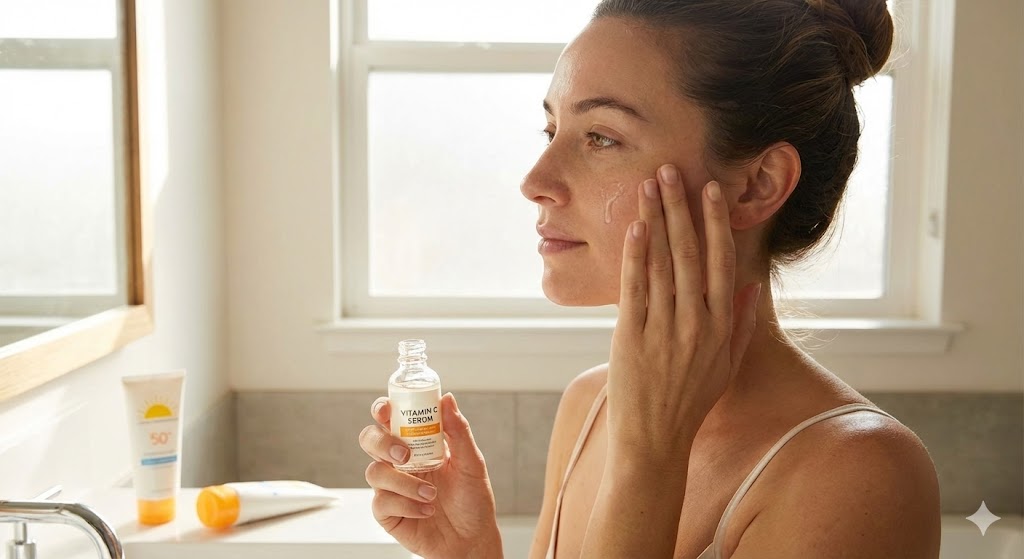
Vitamin C is non-negotiable for collagen synthesis; your body literally cannot build collagen without it. It acts as a cofactor for the enzymes responsible for stabilizing the collagen molecule. You need both internal (diet/supplements) and external (topical serum) sources. For topicals, look for L-ascorbic acid or stable derivatives like tetrahexyldecyl ascorbate.
3. Add Hyaluronic Acid (Both Inside and Out)
While often touted for hydration, hyaluronic acid also plays a role in skin elasticity by creating a turgid environment for collagen and elastin to thrive. Oral hyaluronic acid supplements have been shown to increase skin moisture from within, while topical application helps plump the surface layers. Using both provides a synergistic effect.
4. Incorporate Elastin-Supporting Nutrients
Elastin is harder to rebuild than collagen. However, certain nutrients can support its formation and prevent its degradation. Copper peptides are a powerful topical option that can stimulate elastin production. Internally, ensure you are getting enough trace minerals like copper and zinc, which are essential for cross-linking elastin fibers.
5. Master Sun Protection and Antioxidants
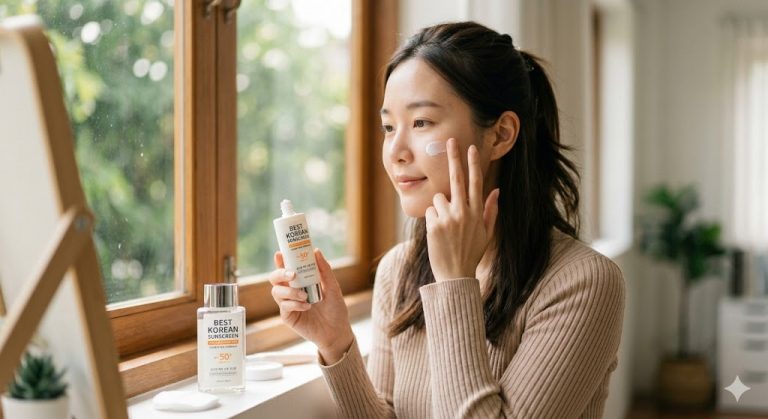
UV rays are the number one enemy of skin elasticity, causing direct damage to elastin fibers (solar elastosis). A broad-spectrum SPF 30+ is your daily armor. Pair this with powerful internal antioxidants like astaxanthin or Pycnogenol to neutralize free radicals that degrade your skin’s structural proteins from the inside out.
How to Get the Best Results
Consistency is absolutely vital when trying to rebuild skin structure. Unlike a moisturizer that gives instant relief, these interventions work on a cellular level and take time to manifest visible results.
You must give any new protocol at least 8 to 12 weeks to fairly evaluate its effectiveness. The skin’s renewal cycle is roughly 28 days, and rebuilding deep structural proteins takes several cycles. Do not stop just because you don’t see a miraculous transformation in the first month. Patience is key.
Timing also matters. Take your collagen peptides and Vitamin C in the morning on an empty stomach for optimal absorption. Apply your topical Vitamin C serum in the morning under sunscreen to boost UV protection, and save heavier repair creams or copper peptides for your evening routine.
Finally, do not rely on one single thing. The best results come from a holistic approach that combines targeted supplements, strategic skincare, and lifestyle factors like sun protection and a low-sugar diet to prevent glycation damage.
Safety & Precautions
1. Patch Test New Topicals
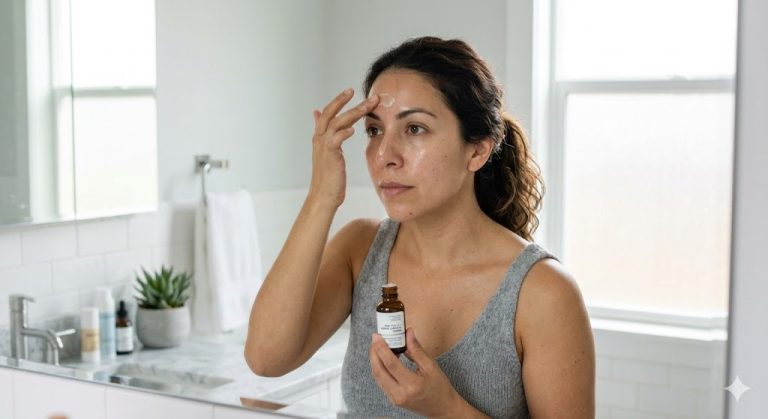
Before applying a new serum like high-strength Vitamin C or copper peptides all over your face, apply a small amount to your inner forearm. Wait 24 hours to ensure there’s no redness, itching, or irritation.
Caution: Active ingredients can cause sensitivity in some individuals.
2. Consult Your Doctor About Supplements
Even natural supplements can interact with medications or affect pre-existing health conditions. Talk to your healthcare provider before starting high-dose antioxidants or trace minerals, especially if you are pregnant, nursing, or have kidney issues.
Doctor’s Note: “Natural” doesn’t always mean risk-free for everyone.
3. Watch for Digestive Upset
Some people experience bloating or digestive discomfort when starting collagen supplements. Start with a smaller dose and gradually increase it to allow your body to adjust.
Heads Up: Your gut needs time to get used to the new protein load.
4. Be Careful Mixing Topicals
Don’t just layer everything at once. For example, using copper peptides at the same time as strong Vitamin C (L-ascorbic acid) can potentially render them less effective. Separate them into morning and evening routines.
Warning: Chemical interactions on your skin can neutralize benefits.
5. Choose Quality Over Price
The supplement and skincare industries are loosely regulated. Cheap products often contain fillers, low-quality ingredients, or incorrect dosages. Look for brands with third-party testing and transparent ingredient lists.
Important: Your skin’s health is worth investing in verifiable purity.
5 Common Myths vs. Facts
Myth 1: You can rub collagen directly into your skin to firm it up.
Fact: Collagen molecules in most creams are too large to penetrate the skin. They sit on top and hydrate, but do not integrate into the structural layer.
Myth 2: Drinking lots of water will restore elasticity.
Fact: While hydration is crucial for overall health, drinking water won’t fix damaged collagen and elastin fibers. You need targeted nutrients for repair.
Myth 3: Facial exercises can tighten sagging skin.
Fact: Overworking facial muscles can actually lead to more wrinkles and expression lines. True elasticity comes from the skin structure itself, not the muscle underneath.
Myth 4: Elastin can be easily replaced like collagen.
Fact: Elastin has a very slow turnover rate and is much harder to rebuild than collagen once it’s damaged. Prevention is far more effective than repair.
Myth 5: Sun damage only happens when you get a sunburn.
Fact: Cumulative, daily exposure to UVA rays, even on cloudy days, slowly destroys elastin fibers over time, leading to premature sagging.
The Bottom Line
Learning how to increase skin elasticity naturally requires a targeted, long-term approach, not a reliance on overnight miracles.
Based on the research, I believe a combination of oral Bioactive Collagen Peptides, high-dose Vitamin C (both internal and topical), and diligent sun protection offers the most robust defense against sagging skin. This protocol is for the person ready to commit to a consistent 3-month regimen for real, structural changes.
For clinical-strength results, pivot to standardized supplement forms with proven absorption data rather than relying on generic food sources alone.
For more insights, grab my free guide below.
Get Your FREE Ultimate Vitamin Guide!
Join the VitaminProGuide community to receive science-backed supplement reviews, nutritional insights, and absorption tips, delivered straight to your inbox.