- Safety: “Fungal Acne” is actually Malassezia Folliculitis (yeast), not bacteria. Treating it with antibiotics or heavy oils will make it explode. You must verify every ingredient against a “Fungal Acne Safe” database.
- Effectiveness: Clinical data shows that Malassezia feeds on fatty acids with carbon chain lengths of C11-C24. Removing these specific oils while using Urea or Caprylic Acid clears the condition in 4-6 weeks.
- Key Benefit: Repairing the barrier with “safe” lipids (MCT, Squalane) stops the itch and prevents the yeast from re-colonizing the hair follicle.
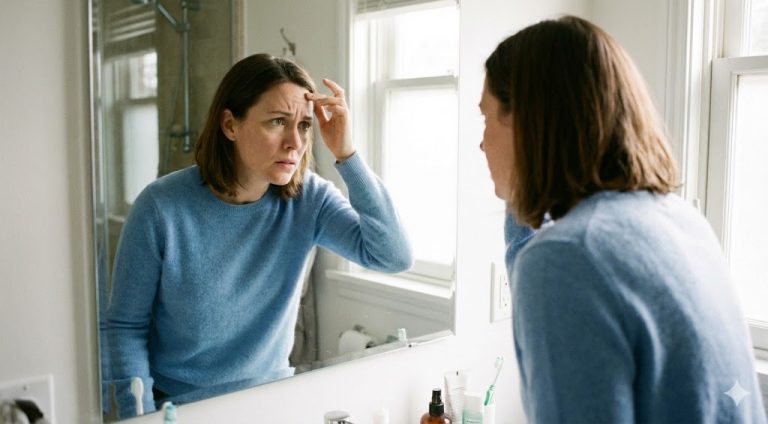
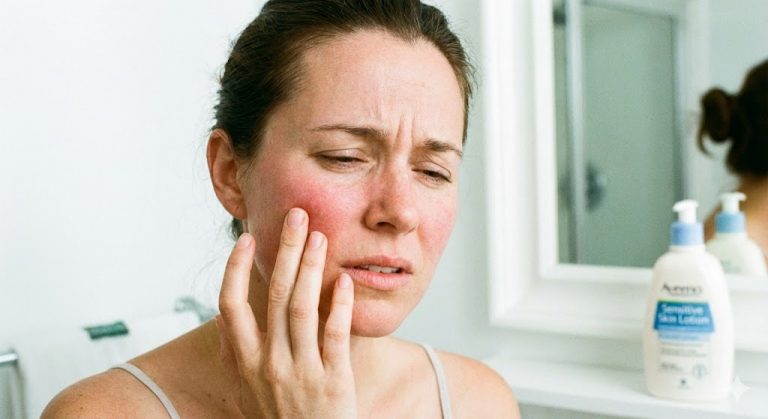
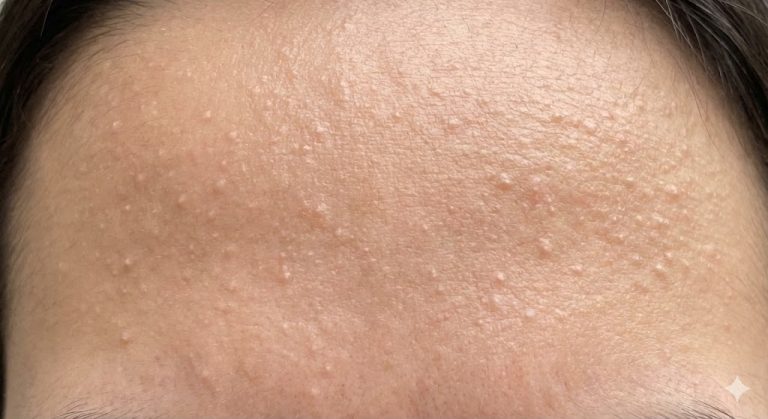
Your skin itches. Tiny, uniform bumps cover your forehead or chest. You tried moisturizing, but it got worse. You tried antibiotics, and it exploded. You are not dealing with standard acne. You are dealing with a yeast overgrowth that is feeding on your skincare routine.
Standard barrier repair advice is dangerous here. Most “repair creams” are loaded with ceramides, shea butter, and plant oils. To Malassezia yeast, this is an all-you-can-eat buffet. You face a biological paradox: you need to hydrate the skin to heal the barrier, but hydration usually involves the very oils that feed the infection.
From a biochemical standpoint, the idea is to deprive the yeast of what it needs while nourishing the skin. The data indicates that how to repair skin barrier after fungal acne requires a strict exclusion diet for your face. You must pivot to “safe” hydrators that the yeast enzyme (lipase) cannot metabolize.
Decoding The Lipid Dependency
Malassezia is lipophilic. It lacks the genes to produce its own fatty acids, so it harvests them from your sebum (oil) or your products. It specifically targets fatty acid chains between 11 and 24 carbons long. This includes olive oil, coconut oil, argan oil, and even many stearates found in lotions.
According to a study in the Journal of Clinical and Aesthetic Dermatology, when the yeast breaks down these oils, it releases unsaturated fatty acids (like Oleic Acid) onto your skin. These irritate the stratum corneum, causing the barrier to crack. This allows more yeast to penetrate. It is a self-perpetuating cycle of damage.
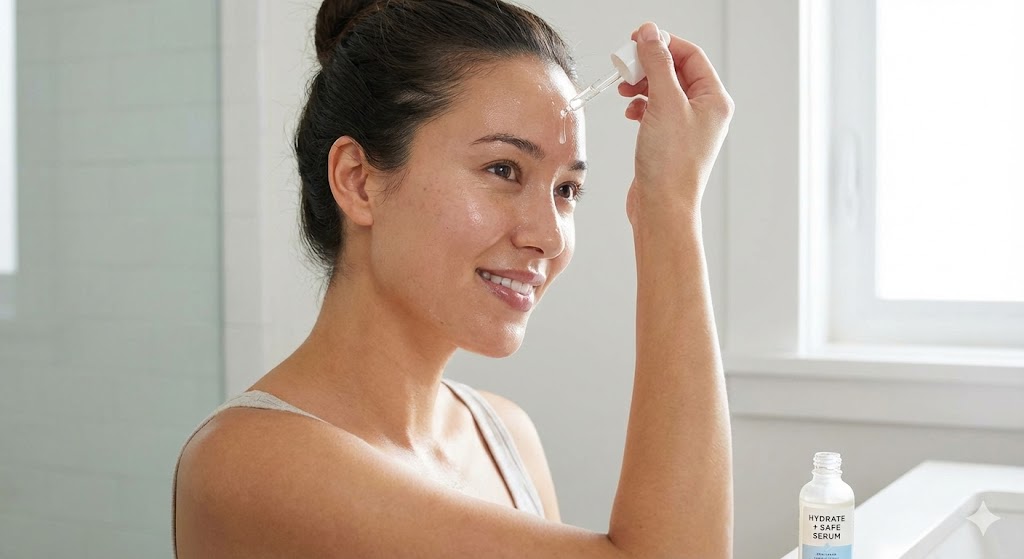
The solution is to use “carbon chain exclusion.” You can only use oils that are too short (C8, C10) or completely totally distinct (Hydrocarbons) for the yeast to eat. MCT Oil (Caprylic/Capric Triglyceride) and Squalane are the gold standards. They repair the lipid layer without providing a single calorie to the pathogen.
| Feature | Safe Hydrators (Yeast Starvation) | Unsafe Triggers (Yeast Feasts) |
|---|---|---|
| Primary Component | MCT Oil, Squalane, Mineral Oil. | Olive, Coconut, Shea, Polysorbates. |
| Direct Benefit | Repairs barrier; inert to yeast. | Repairs barrier; explodes infection. |
| The Practical Catch | Feels lighter; less “creamy” texture. | Found in 90% of moisturizers. |
5 Clinical Ways To Repair Without Feeding
1. The “Caprylic” Cleanse
Stop using standard oil cleansers. Switch to pure MCT Oil (C8/C10). Caprylic acid is not just a safe oil; it is fungistatic. It disrupts the cell membrane of the yeast. Use it to dissolve sunscreen and makeup, then wipe it off.
Pro-Tip: Ensure the bottle says “C8 and C10 only.” Lauric acid (C12) feeds the yeast.
2. Urea Is The Secret Weapon
Urea is a humectant naturally found in the skin (NMF). Unlike oils, yeast cannot eat it. At 5-10% concentration, Urea hydrates the skin better than hyaluronic acid and gently exfoliates the “biofilm” that protects the yeast.
Pro-Tip: Look for a simple gel-cream with Hydroxyethyl Urea.
3. Squalane Substitution
Your skin produces Squalene (with an ‘e’). Yeast eats Squalene. However, hydrogenated Squalane (with an ‘a’) is stable and indigestible to the yeast. It is the perfect 1:1 replacement for your heavy night cream.
Pro-Tip: Buy 100% Sugarcane-derived Squalane oil.
4. Acid Mantle Restoration
Malassezia thrives at a pH of 5.5 to 7.5. It hates acidity. Using a low pH toner (around 4.5-5.0) tightens the barrier and inhibits growth. Avoid alkaline soaps (pH 8+) which strip the acid mantle and invite infection.
Pro-Tip: Use a simple hypochlorous acid spray or a pH-balanced cleanser.
5. The “Ester” Audit
Check your ingredient lists for “Esters.” These end in “-ate” (Isopropyl Myristate, Glyceryl Stearate). These are combinations of alcohol and fatty acids. The yeast cleaves the bond and eats the fatty acid. You must avoid them.
Pro-Tip: Use a website like Sezia.co to paste ingredients and check safety.
Stacking Your Strategy For Barrier Resilience
To make this work 20% better, stack your MCT Oil with Niacinamide (Vitamin B3). Do not mix them in the bottle; layer them.
Niacinamide stimulates your skin to produce its own Ceramides. Since most bottled ceramides come mixed with unsafe oils, making your own is the safest route. Niacinamide also regulates sebum production, starving the yeast of its natural food source. This internal/external stack rebuilds the wall without bringing enemy supplies.
Safety & Precautions
1. The “Die-Off” Itch
When you starve the yeast, it may flare briefly or itch intensely as it dies.
Safety Note: Use a cold compress. Do not scratch.
2. Steroid Withdrawal
If you used hydrocortisone to stop the itch, stopping it now can cause a rebound flare (TSW).
Caution: Taper off steroids slowly under doctor supervision.
3. Drying Agents
Sulfur and Zinc Pyrithione kill yeast but dry the barrier. If your barrier is broken, they will burn.
Heads Up: Limit active treatments to 5 minutes (contact therapy) then rinse.
4. Hair Products
Conditioner running down your face is a major trigger. Most contain fatty alcohols that feed acne.
Doctor’s Note: Wash your face after rinsing your hair.
5. Sunscreen Sabotage
Most sunscreens use esters. Finding a safe SPF is the hardest part.
Warning: Look for “Oil-Free” mineral gels, but verify the ingredients list.
5 Common Myths vs. Facts
Myth 1: Coconut oil kills fungus.
Fact: It contains 50% Lauric Acid. While Lauric Acid is antifungal in a petri dish, in a pore, Malassezia eats it. Coconut oil is a fuel source.
Myth 2: You just need to dry it out.
Fact: Dehydrated skin produces more oil to compensate. More oil means more food for the yeast. You must hydrate.
Myth 3: Antibiotics help.
Fact: Antibiotics kill the bacteria that compete with the yeast. Taking them usually makes fungal acne significantly worse.
Myth 4: It is just regular acne.
Fact: Bacterial acne has variable sizes and whiteheads. Fungal acne is uniform, itchy, and rarely comes to a head.
Myth 5: You can go back to normal creams later.
Fact: Those prone to fungal acne usually have a genetic susceptibility (sebum composition). You likely need a “safe” routine for life.
The Bottom Line
You cannot starve the pathogen if you are feeding it dinner.
Based on the research, I believe that for the Skeptical Optimizer, the only viable strategy is a Total Exclusion Diet for your skin. You must eliminate all fatty acids with carbon chains 11-24. MCT Oil and Squalane are the only reliable lipids that allow you to repair the barrier without fueling the fire.
The practical catch is that 95% of products are unsafe. For a clinical-strength result that stops the itch and seals the cracks, I recommend pivoting to a routine of 100% Squalane Oil, Urea Cream, and Niacinamide Serum. This provides hydration, exfoliation, and repair while completely cutting off the yeast’s food supply.
Get Your FREE Ultimate Vitamin Guide!
Join the VitaminProGuide community to receive science-backed supplement reviews, nutritional insights, and absorption tips, delivered straight to your inbox.