Physical Address
304 North Cardinal St.
Dorchester Center, MA 02124
Physical Address
304 North Cardinal St.
Dorchester Center, MA 02124
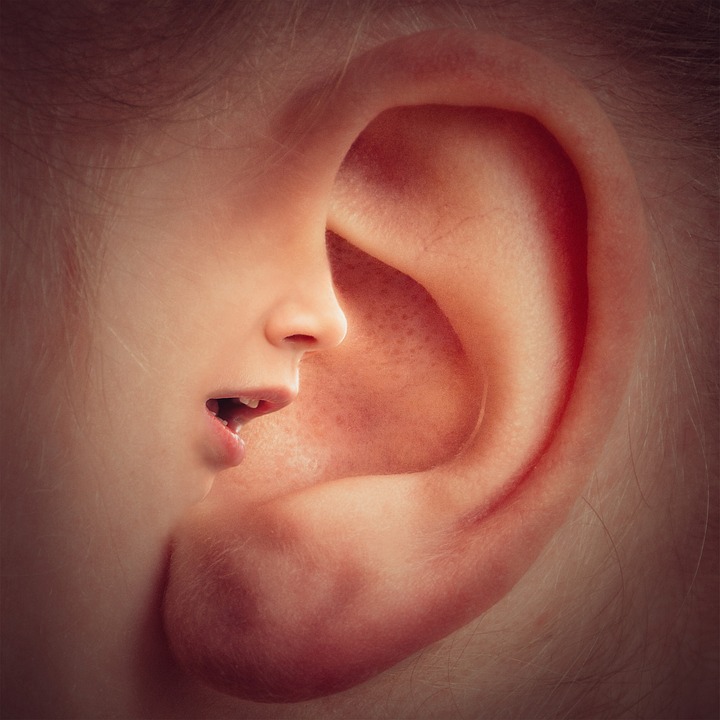
Muffled hearing often feels like a constant sensation of pressure or water trapped within the ear canal. This sensory distortion can make daily communication and environmental awareness difficult to manage. Understanding the mechanical origin of this issue is the first step toward finding a resolution.
Physical obstructions in the outer ear or pressure imbalances within the middle ear space typically create this temporary reduction in sound clarity. The internal anatomy must maintain specific air pressure levels to allow the eardrum to vibrate effectively. When these conditions are disrupted, sound waves fail to transmit accurately to the inner ear structures.
To fix muffled hearing in one ear, one must often facilitate the drainage of fluid or equalize the pressure across the eustachian tube. Simple, non-invasive physical maneuvers or the use of targeted nutritional support can often assist in clearing the blockage. If the muffled sensation persists, seeking professional evaluation ensures that no underlying structural damage or infection is present.
The eustachian tube acts as a pressure-regulating valve between the middle ear and the back of the throat. When this tube remains closed or inflamed, a vacuum forms, drawing fluid from surrounding tissues into the middle ear. This fluid prevents the eardrum from moving freely, resulting in the characteristic dullness of sound perception.
The National Institute on Deafness and Other Communication Disorders highlights that infections and environmental allergies are common contributors to this inflammation. Reducing local swelling often allows the tube to open naturally. Maintaining hydration helps thin the mucus that might be plugging the passage, facilitating easier drainage once the valve opens.
To encourage this process, techniques such as the Valsalva maneuver or simply swallowing repeatedly can engage the muscles surrounding the tube. These physical actions force the valve open, providing a pathway for trapped fluid to exit into the throat. The resulting “pop” indicates that the pressure differential has been corrected.
Sometimes, the cause of muffled sound resides in the outer ear rather than the middle ear. An accumulation of cerumen, or earwax, can harden against the eardrum, creating a physical barrier. This prevents sound waves from reaching the mechanical components of the inner ear, leading to a noticeable drop in auditory volume.
Using a high-quality oil, such as Now Foods Liquid Glycerin, can help soften dense wax buildup over a period of several days. Once softened, the material may migrate outward on its own through the natural self-cleaning mechanism of the ear canal. It is critical to avoid inserting objects into the ear, as this can push debris deeper and cause trauma to the sensitive skin of the canal.
If liquid buildup is due to water trapped after swimming, the osmotic effect of an isopropyl alcohol blend can assist in evaporation. This process removes the physical medium that dampens sound. Keeping the canal dry is essential to preventing secondary irritation that often exacerbates the perception of being “plugged.”
Systemic inflammation levels can influence the thickness and production of secretions in the ear and throat. Incorporating nutrients that support healthy mucosal integrity may prevent the cycle of congestion. Omega-3 fatty acids, specifically those found in Nordic Naturals Ultimate Omega, are often used to modulate the body’s inflammatory response.
Vitamins that support the immune system also play a background role in maintaining clear pathways. Adequate intake of nutrients like zinc and Thorne Vitamin D3 helps the body manage the stressors that lead to congestion in the first place. When the immune system is balanced, the frequency of mucus-related blockages tends to decrease.
While supplements do not offer an immediate “fix” for acute blockage, they contribute to the long-term resilience of the tissues lining the middle ear. A stable internal environment means that when minor congestion does occur, the body is better equipped to clear it without medical intervention. Consistent, daily support is the most effective approach for those prone to seasonal ear pressure changes.
| Nutritional Focus | Primary Mechanism | Goal of Use |
|---|---|---|
| Omega-3 fatty acids | Lipid-derived mediator modulation | Reducing systemic tissue inflammation |
| Mucolytic compounds | Protein disulfide bond reduction | Lowering viscosity of trapped fluid |
Beyond nutritional support, active physical techniques can change the pressure environment of the inner ear. The Toynbee maneuver involves pinching the nose and swallowing while the mouth is closed. This action creates a negative pressure phase that can pull fluid from the middle ear cavity into the nasopharynx.
Controlled yawning or chewing gum also engages the tensor veli palatini muscles. These are the primary muscles responsible for opening the eustachian tube. Increasing the frequency of these motions throughout the day allows the ear to “breathe” periodically, preventing the buildup of significant pressure differentials that cause the feeling of muffled hearing.
Environmental adjustments, such as elevating the head during sleep, utilize gravity to assist in natural drainage. Sleeping on the side opposite the affected ear can further encourage movement of fluid away from the congested area. These simple positional changes, when maintained consistently, create the necessary conditions for self-correction of the pressure gradient.
Clinical evidence strongly advises against using ear candles or suction devices to address ear blockages. These methods carry a high risk of burning the delicate skin of the canal, causing permanent damage to the eardrum, or pushing debris further into the ear.
If you experience sudden hearing loss, pain, dizziness, or discharge from the ear, immediate evaluation by a professional is recommended. Persistent muffled hearing that does not improve after a few days of home care also warrants a check to rule out underlying structural or infectious issues.
Yes, allergic reactions frequently cause inflammation of the nasal passages and the eustachian tubes. When these tissues swell, the middle ear cannot drain properly, leading to the sensation of trapped pressure. Controlling your exposure to common allergens can often mitigate this specific type of ear congestion.
Muffled hearing is often a mechanical issue involving fluid accumulation or pressure imbalances within the ear. By utilizing gentle pressure-equalization maneuvers, softening agents for earwax, and supporting the body’s inflammatory response, many individuals can naturally restore their auditory clarity. Addressing the root cause of the congestion is far more effective than attempting to force the ear to clear.
While these methods are generally safe for minor, non-emergency cases, they are not a substitute for professional medical care. If you have a history of ear health issues, notice sharp pain, or find that the muffled sensation is accompanied by other symptoms like tinnitus or vertigo, please consult with a healthcare professional to identify the exact cause.
Start by observing your environment to see if seasonal allergens or recent changes in altitude are the likely trigger. From there, try incorporating regular, gentle swallowing and jaw-movement exercises throughout your day to promote natural drainage of the eustachian tube.
Get Your FREE Ultimate Vitamin Guide!
Join the VitaminProGuide community to receive science-backed supplement reviews, nutritional insights, and absorption tips, delivered straight to your inbox.
Vitaminproguide.com is reader-supported. When you buy through links on our site, we may earn an affiliate commission at no extra cost to you. As an Amazon Associate, we earn from qualifying purchases. Read our full disclosure.