Physical Address
304 North Cardinal St.
Dorchester Center, MA 02124
Physical Address
304 North Cardinal St.
Dorchester Center, MA 02124
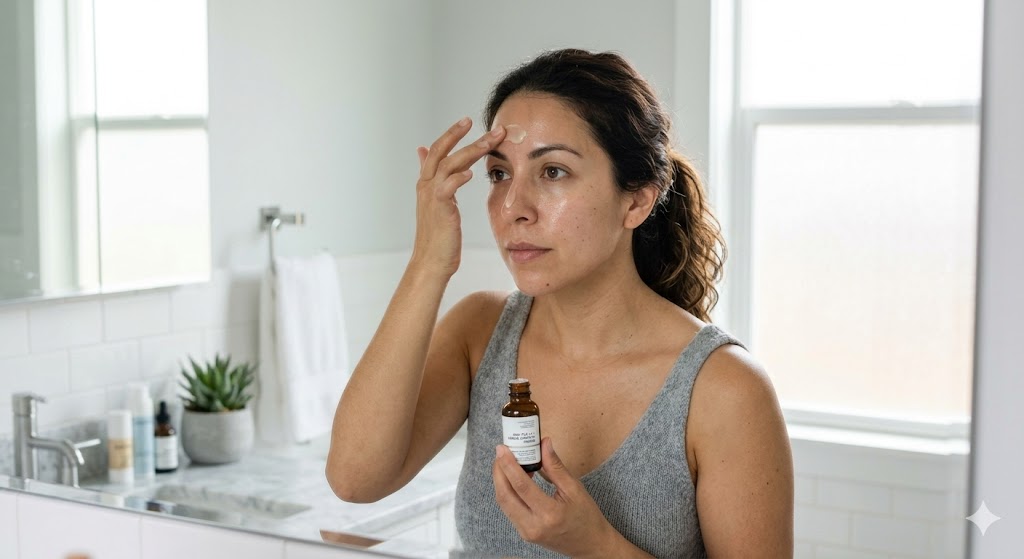
Utilizing a zinc pca serum for sebum control is a common strategy for those looking to manage skin oiliness through targeted topical application. This specific compound combines the essential mineral zinc with L-pyrrolidone carboxylic acid (PCA), a molecule naturally found in the skin’s own moisturizing factors. By pairing these two components, the resulting molecule is designed to be more bioavailable and stable than simple inorganic zinc salts.
The primary function of this compound involves modulating the activity of 5-alpha-reductase, an enzyme responsible for converting testosterone into dihydrotestosterone (DHT) within the sebaceous glands. When this enzymatic activity is balanced, the production of sebum—the skin’s natural oil—often becomes more regulated. This process helps maintain a clearer complexion by preventing the over-accumulation of lipids that can lead to clogged pores and surface shine.
Individuals often turn to this ingredient because it offers a non-comedogenic way to address excess oil without stripping the skin of its necessary moisture. By supporting the skin’s natural barrier function, it provides a practical approach for those seeking to harmonize their skin’s oil production levels. It is generally considered a gentle alternative to harsher astringents that might otherwise disrupt the skin’s delicate pH balance.
Zinc PCA represents a sophisticated intersection of mineral nutrition and dermatological science, offering a targeted approach to managing cutaneous lipid output.
Zinc serves as a critical cofactor for numerous enzymes that govern cellular repair and immune function. Within the skin, this mineral is involved in the synthesis of proteins and the regulation of inflammatory pathways. When applied topically, it does not merely sit on the surface; it interacts with the cellular environment to encourage a more stable state of homeostasis, which is essential for healthy skin function.
The skin relies on a complex interplay of nutrients to maintain its structural integrity and protective barrier. Research from Penn State Extension highlights how nutritional status and topical care work in tandem to support overall skin health. By providing the skin with the tools it needs to regulate its own processes, individuals can often see a reduction in the reactive behaviors of their sebaceous glands.
When the skin is properly supported by essential minerals, the sebaceous glands tend to function with greater efficiency. This means that instead of producing an erratic surge of oil throughout the day, the skin maintains a more consistent, manageable level of hydration. For the user, this translates to a significant reduction in the need for midday blotting or frequent cleansing.
The inclusion of the PCA molecule is particularly beneficial because it acts as a humectant, drawing moisture into the skin cells. This prevents the “tight” or “stripped” feeling often associated with other oil-control products. You experience a balanced complexion that feels soft to the touch rather than dry or irritated, allowing for a more comfortable daily experience.
By stabilizing the microenvironment of the skin, this compound helps prevent the buildup of debris that can lead to congestion. When the skin is not constantly reacting to an overproduction of oil, it can focus its energy on repair and maintenance. This results in a clearer, more resilient appearance that feels naturally healthy rather than artificially managed.
Not all zinc compounds are created equal when it comes to skin absorption and efficacy. While zinc oxide is frequently used for physical sun protection, it does not offer the same sebum-regulating properties as the PCA-bound version. The chemical structure of the PCA molecule allows for better penetration into the upper layers of the epidermis, where the sebaceous glands reside.
Choosing the right form depends on the specific goal of the wellness protocol. If the objective is to manage oiliness while maintaining hydration, the PCA form is often preferred due to its dual-action nature. Other forms, such as zinc sulfate, may be more astringent and potentially irritating for those with sensitive skin, making them less suitable for daily, long-term use.
| Formulation | Primary Benefit | Skin Compatibility |
|---|---|---|
| Zinc PCA | Sebum regulation & hydration | High (gentle) |
| Zinc Sulfate | Strong astringent | Moderate (can be drying) |
While topical applications are helpful, they are most effective when paired with a foundation of systemic wellness. Sebum production is heavily influenced by hormonal fluctuations, stress levels, and dietary intake. High-glycemic diets, for instance, have been associated with increased insulin levels, which can indirectly stimulate the sebaceous glands to produce more oil.
Prioritizing whole, nutrient-dense foods provides the body with the systemic zinc it needs for internal regulation. Foods such as pumpkin seeds, legumes, and lean proteins are excellent sources that support the body’s overall mineral balance. When the body is well-nourished from within, the skin is better equipped to maintain its natural equilibrium, reducing the reliance on external interventions.
Managing stress levels is a vital component of skin health, as cortisol can trigger an increase in oil production. By incorporating simple practices like consistent sleep schedules or mindful movement, you help the body maintain a more stable hormonal environment. This internal stability is reflected in the skin, which becomes less prone to sudden, reactive oil surges.
Dietary choices play a significant role in how the skin behaves on a daily basis. Focusing on anti-inflammatory foods, such as those rich in omega-3 fatty acids, can help calm the skin from the inside out. When you provide your body with the right building blocks, you notice that your skin feels less reactive and more predictable throughout the day.
Consistency in your wellness routine is the key to seeing lasting results. Rather than looking for a quick fix, focus on small, sustainable changes that support your skin’s natural rhythm. Over time, these habits lead to a more balanced complexion that feels comfortable and healthy, regardless of external environmental stressors.
Yes, it is generally compatible with most other skincare ingredients, though it is best to introduce new products one at a time to monitor for any individual sensitivity.
Individual responses vary, but many people notice a difference in surface oiliness within a few weeks of consistent, daily application.
It is generally well-tolerated by most, but those with highly reactive or compromised skin barriers should perform a patch test before full application.
Zinc PCA serves as a targeted tool for those seeking to manage sebum production through the support of natural skin homeostasis. By combining mineral science with humectant properties, it offers a balanced approach to maintaining a clear and comfortable complexion.
This information is for educational purposes only and does not constitute medical advice. Individuals who are pregnant, breastfeeding, managing a medical condition, or taking medication should consult with a qualified clinician before adding new supplements or topical agents to their wellness protocol.
To begin, identify a high-quality, fragrance-free serum containing this ingredient and apply a small amount to clean, dry skin once daily to observe how the skin responds over the course of several weeks.
Get Your FREE Ultimate Vitamin Guide!
Join the VitaminProGuide community to receive science-backed supplement reviews, nutritional insights, and absorption tips, delivered straight to your inbox.
Vitaminproguide.com is reader-supported. When you buy through links on our site, we may earn an affiliate commission at no extra cost to you. As an Amazon Associate, we earn from qualifying purchases. Read our full disclosure.