Physical Address
304 North Cardinal St.
Dorchester Center, MA 02124
Physical Address
304 North Cardinal St.
Dorchester Center, MA 02124
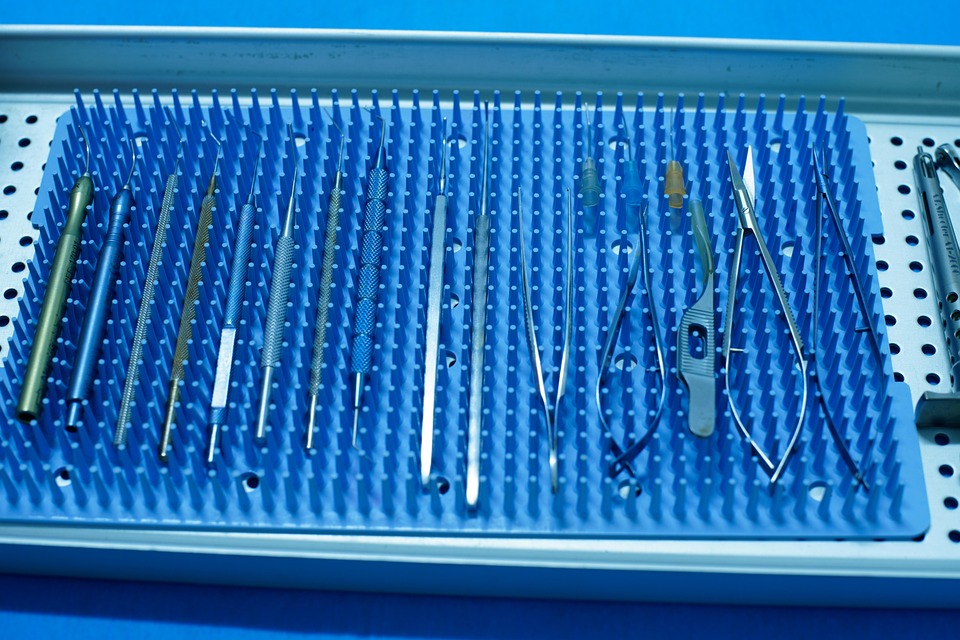
Visual clarity changes significantly as the eye ages, often leading individuals to look for permanent solutions to refractive errors or cloudiness. Comparing cataract surgery vs lens replacement involves evaluating the mechanical differences between clearing an existing obstruction and upgrading the eye’s natural focusing power. Both procedures rely on the same fundamental surgical infrastructure, yet they serve distinct visual goals based on the underlying state of the crystalline lens.
The crystalline lens is a transparent structure located behind the iris that bends light to focus images on the retina. Over time, proteins within this structure can aggregate, resulting in a loss of transparency or a shift in refractive ability. Identifying the right approach depends on whether the primary concern is the physical degradation of the lens tissue or the desire to reduce reliance on corrective eyewear.
Cataract surgery is a medically necessary procedure to remove a clouded natural lens and replace it with an artificial intraocular lens, or IOL. Refractive lens exchange, commonly referred to as lens replacement, is an elective procedure that replaces a clear lens to correct refractive errors such as presbyopia or high myopia. In both cases, the surgeon utilizes ultrasound or laser technology to remove the biological lens and substitute it with a synthetic, biocompatible optic.
From an anatomical perspective, the actual steps taken during these procedures are remarkably similar. Both operations require an incision in the cornea to gain access to the lens capsule. Once inside, the surgeon uses a technique called phacoemulsification, which employs ultrasonic vibration to break the old lens material into tiny, manageable pieces. These pieces are then gently suctioned away, leaving the thin, clear membrane—known as the lens capsule—intact.
The preservation of the capsule is essential, as it acts as the cradle for the new artificial lens. This synthetic implant, often made of acrylic or silicone materials, is folded and inserted through the small corneal incision. Once placed, it unfolds and centers itself, immediately assuming the role of the eye’s primary refractive element. Because the physics of light refraction remains constant, both procedures require high precision in measuring the eye’s dimensions before the surgery begins.
Patients often find that the recovery period for both paths is quite brief, though individual healing rates vary. Because the cornea is highly resilient, small incisions typically close on their own without the need for sutures. During the post-operative window, consistent use of eye drops, such as those recommended by an eye care specialist, helps maintain a clean environment for the tissue to heal. Many people notice improvements in light sensitivity or color perception shortly after the procedure as the new lens allows a fuller spectrum of light to reach the retina.
The health of the natural lens is intrinsically tied to cellular metabolism and the reduction of oxidative stress. As the body matures, the accumulation of free radicals can impair the function of enzymes within the eye. Maintaining a balanced intake of specific nutrients may support the structural integrity of ocular tissues. For example, ensuring adequate levels of Thorne Vitamin C Flavonoids helps support the collagen fibers found throughout the ocular system. Such nutritional support is part of a broad strategy for long-term eye health.
The National Eye Institute notes that maintaining proper levels of lutein and zeaxanthin can be beneficial for protecting retinal cells from high-energy light. These carotenoids concentrate in the macula and serve as a biological filter against oxidative damage. While no nutritional intervention can physically reverse an existing cataract, a diet rich in these compounds supports the health of the supportive cells surrounding the lens capsule. Using high-quality supplements like Nordic Naturals Omega 3 can also contribute to consistent tear film production, which provides the ocular surface with the lubrication needed for clear, stable vision.
The metabolic health of the lens relies on the efficient transport of nutrients from the aqueous humor, the fluid that bathes the anterior chamber. When this transport is disrupted by aging, the lens protein structure becomes unstable, leading to opacity. This biological process feels like a persistent blur or a “foggy” window in one’s daily vision. Replacing the lens effectively resolves this by bypassing the compromised biological tissue entirely, restoring sharp focus to the central retina.
| Metric | Cataract Surgery | Refractive Lens Exchange |
|---|---|---|
| Clinical Indication | Cloudy, opaque lens | Refractive error correction |
| Primary Goal | Restore visual function | Enhance visual independence |
| Insurance Coverage | Typically covered | Usually out-of-pocket |
When selecting a replacement lens, the choice of technology dictates the quality of the visual experience. Monofocal lenses provide excellent clarity at a single distance, which usually requires the use of reading glasses for near tasks. In contrast, multifocal or trifocal IOLs are engineered to provide a range of vision, helping to reduce dependence on glasses for both distance and close-up activities. These advanced optics divide light into multiple focal points, simulating a more youthful range of sight.
The adjustment to a new lens involves both physical adaptation and neurological processing. The brain must learn to interpret the light patterns generated by the artificial optic, a process that can take several weeks of consistent use. During this time, many individuals benefit from supporting their overall system with Life Extension Vitamin D3, which is essential for systemic health and cellular signaling. A healthy systemic environment ensures the nerves and tissues surrounding the eye remain responsive during the period of neuroadaptation.
Choosing the correct IOL type often comes down to individual lifestyle demands and specific visual habits. Someone who spends significant time driving at night might prefer a high-contrast monofocal lens to avoid the halo effects sometimes associated with complex multifocal optics. Conversely, a professional who frequently transitions between computer screens and reading materials may prioritize the versatility offered by extended depth-of-focus lenses. This decision is based on balancing the optical physics of the lens with the user’s specific daily visual requirements.
Post-operative care is relatively straightforward, yet it requires diligence to prevent inflammation. Avoiding strenuous physical activity is critical during the initial recovery window, as increased ocular pressure can disrupt the stability of the new lens. Most individuals find that their vision clears rapidly within a few days, though complete stabilization may take a bit longer. Using NOW Foods Zinc Picolinate can provide the trace minerals necessary for tissue repair and enzymatic function throughout the body as the surgical site heals.
Regular follow-up appointments allow for the monitoring of the lens capsule, ensuring no secondary clouding occurs over time. In rare instances, a thin film can develop behind the lens, which is a simple process to clear with non-invasive laser techniques. This maintenance ensures that the long-term benefit of the surgery—consistent, high-resolution vision—remains intact. Because the artificial lens does not age, it provides a stable refractive foundation that does not fluctuate like the original biological tissue.
Hydration of the ocular surface is also vital for comfort following these procedures. Dryness can cause intermittent blurriness that mimics refractive issues. Keeping the eye environment lubricated allows the visual system to perform consistently throughout the day. By managing these variables, individuals can enjoy a long-term improvement in their ability to interact with their environment, whether reading a book or navigating complex visual settings.
Both procedures use nearly identical surgical techniques and carry similar safety profiles. The primary difference is the clinical reason for the surgery rather than the inherent risk level of the operation itself.
The synthetic material used in modern IOLs is designed for durability and does not degrade like natural biological tissue. In the vast majority of cases, these lenses remain clear and functional for the rest of an individual’s life.
Whether a previous procedure affects candidacy depends on the condition of the cornea and the overall health of the eye. A comprehensive assessment helps determine if the eye can support the implantation of a new lens based on current anatomy.
Choosing between these two paths depends primarily on whether the intervention is driven by medical necessity due to lens clouding or by a desire for refractive independence. Both procedures utilize advanced surgical techniques to replace the natural lens with a synthetic optic, offering a permanent solution for focus and clarity. The long-term visual benefits are significant, providing a stable, high-performance solution for an aging eye.
This information is provided for educational purposes and does not constitute medical advice or a diagnosis. Surgical decisions should always involve a thorough evaluation by a qualified ophthalmic professional who can review your specific medical history and ocular needs. Never ignore professional guidance based on general information found online.
To begin the process of understanding your options, schedule a formal consultation with an eye care specialist to discuss your current vision goals and assess the health of your crystalline lenses. Bringing a list of specific questions regarding lens types and recovery expectations will ensure you are prepared to make an informed decision.
Get Your FREE Ultimate Vitamin Guide!
Join the VitaminProGuide community to receive science-backed supplement reviews, nutritional insights, and absorption tips, delivered straight to your inbox.
Vitaminproguide.com is reader-supported. When you buy through links on our site, we may earn an affiliate commission at no extra cost to you. As an Amazon Associate, we earn from qualifying purchases. Read our full disclosure.